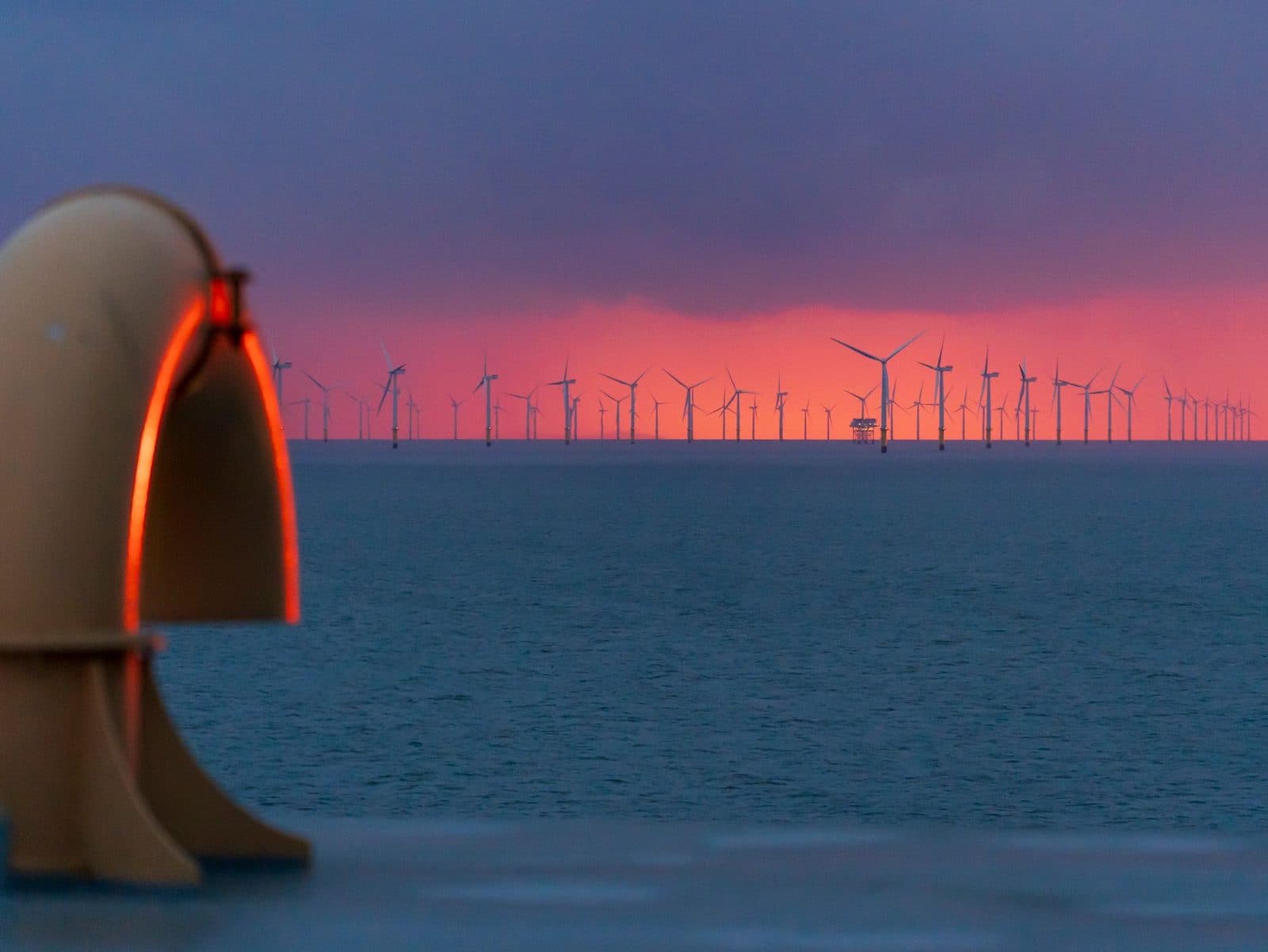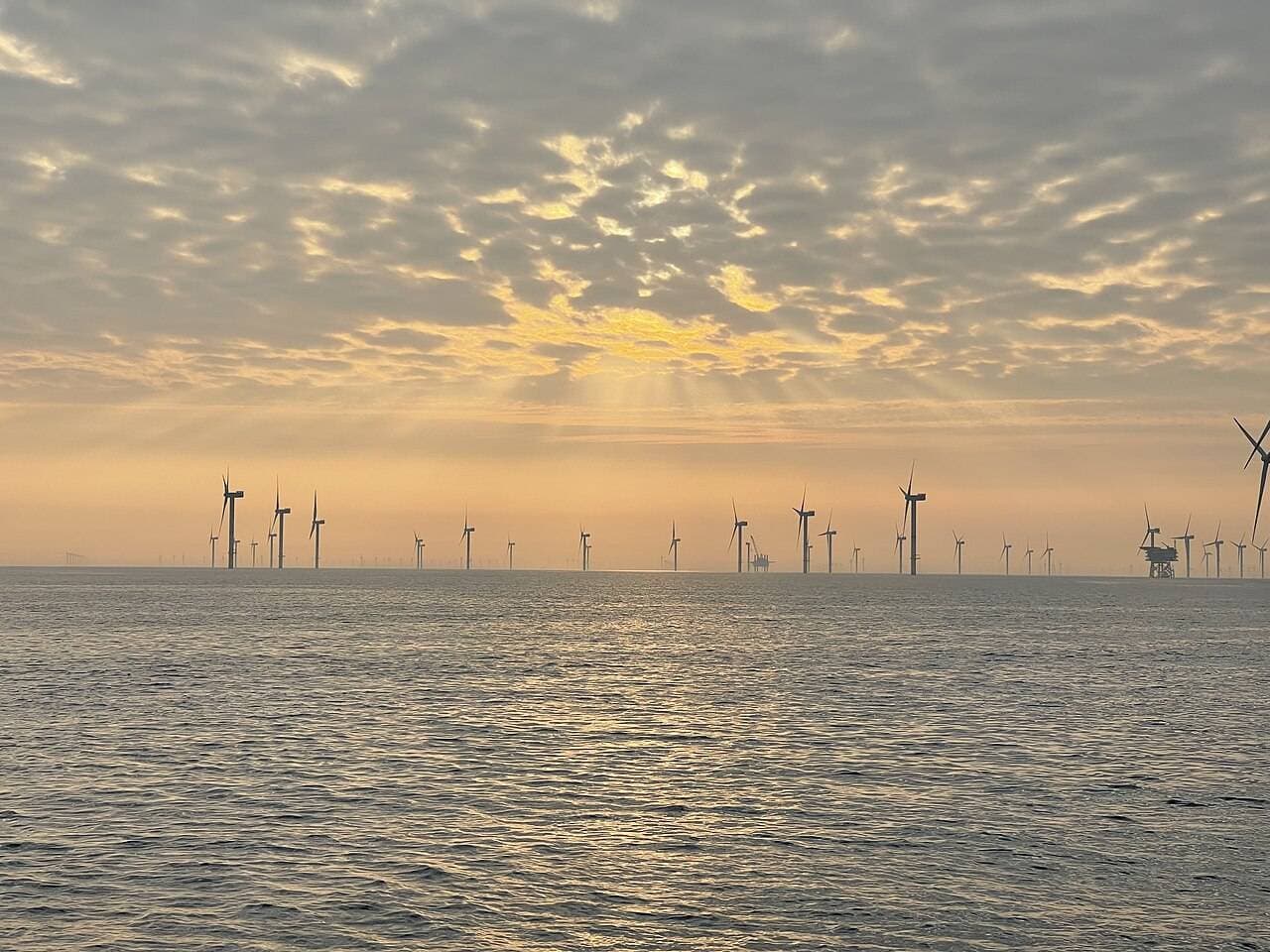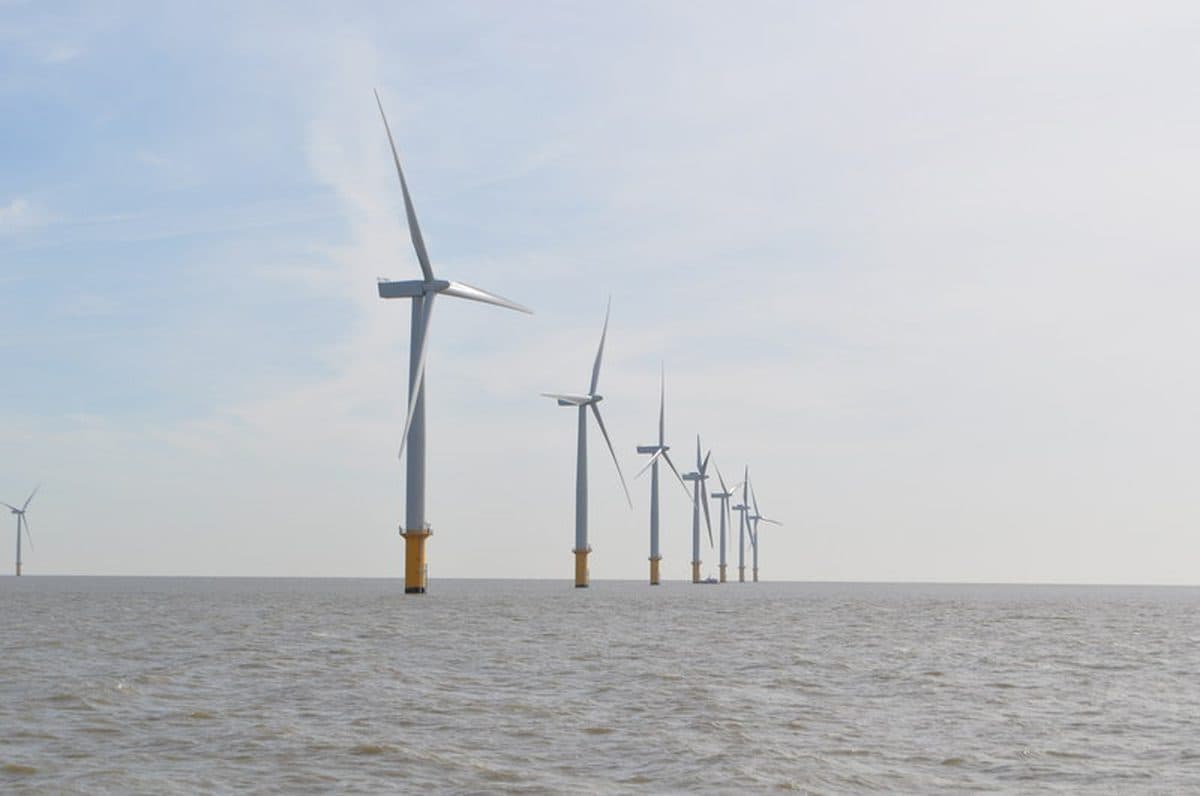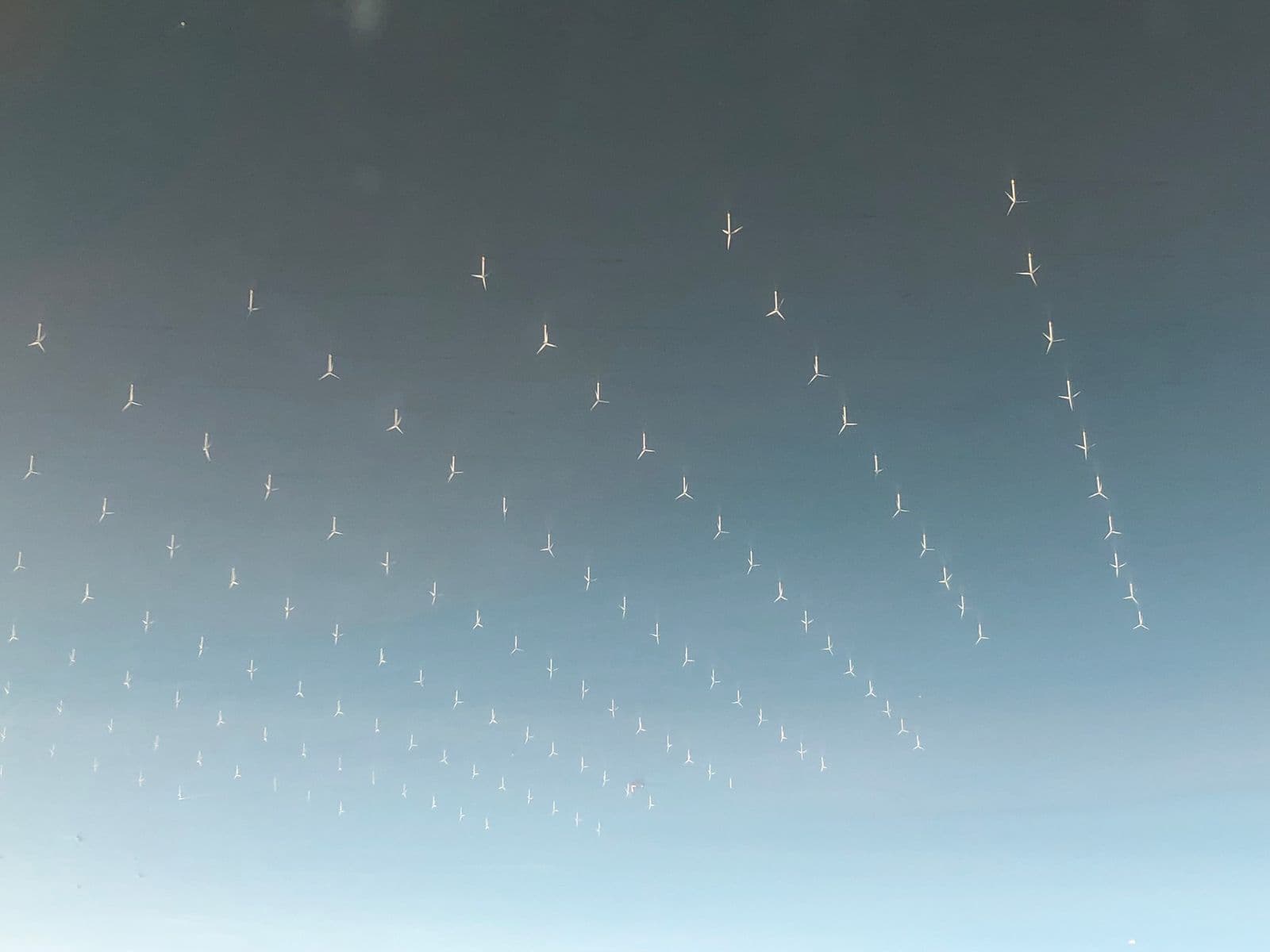
- Northland Power announced on October 15 that all 73 turbines at its 1.0 GW Hai Long offshore wind project in the Taiwan Strait are installed and generating power.
- The project, owned 30.6% by Northland, 40% by Mitsui & Co. and 29.4% by Gentari International Renewables, sits 45–70 km off Changhua County and will power more than one million Taiwanese households under a 30-year offtake agreement.
- Final permitting approvals remain on track for the first half of 2027, and Northland says construction costs are aligned with original expectations, a clean execution milestone in a sector still straining under cost inflation.
Hai Long offshore wind has reached full generation. Northland Power announced on October 15 that all 73 turbines at the Hai Long offshore wind project off Taiwan are installed and producing electricity, completing the installation phase of one of Asia’s largest offshore wind builds. A note on sourcing: no independent trade-press coverage of the milestone had surfaced at publication time, so every fact in this article is attributed to Northland’s own announcement, cross-checked against a second hosting of the same release at FinancialContent.
The project is built by a three-way consortium: Northland holds 30.6%, Japan’s Mitsui & Co. holds 40%, and Malaysia’s Gentari International Renewables holds 29.4%. Located 45 to 70 kilometres off Changhua County on Taiwan’s west coast, Hai Long will supply electricity to more than one million Taiwanese households under a 30-year offtake agreement. Northland said final permitting approvals remain on track for the first half of 2027.Construction costs are aligned with original expectations, Northland said.
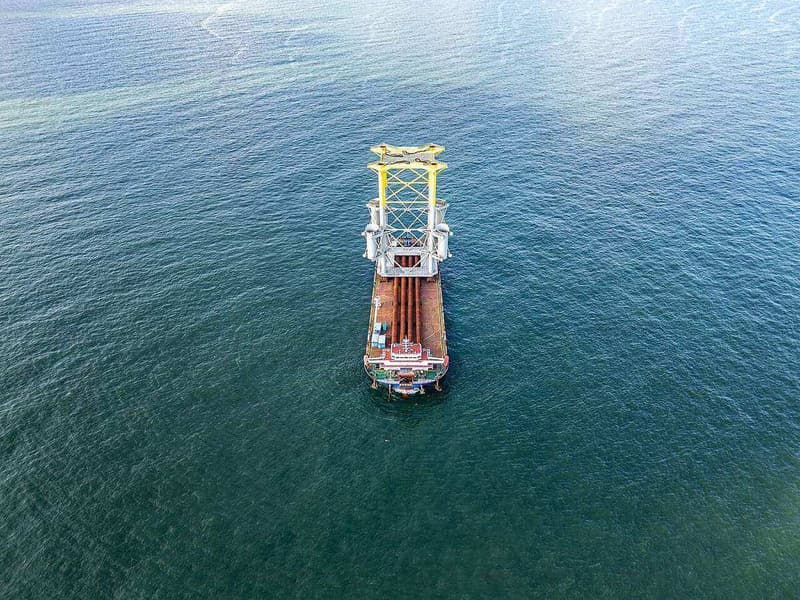
The Hai Long offshore wind project by the numbers
One gigawatt divided by 73 turbines works out to roughly 13.7 MW per machine, placing Hai Long’s turbines in the current top class of offshore hardware, the same 13–15 MW generation now being installed at Europe’s biggest projects. For scale, our guide to how wind turbines work profiles 15 MW machines producing around 80 GWh a year each; Hai Long’s fleet sits just below that ceiling.
Run the output arithmetic at typical offshore capacity factors (45 to 47% for modern fixed-bottom projects, per that same guide), and a 1 GW farm delivers roughly 3.9 to 4.1 terawatt-hours a year. That is the order of magnitude behind the “more than one million households” figure: consistent with roughly 4 MWh per household per year, the benchmark Vestas itself uses. The 30-year offtake term matters as much as the volume. Three decades of contracted revenue is the financial foundation that lets pension-grade capital, Mitsui and Gentari’s profile exactly, underwrite a multi-billion-dollar build in the Taiwan Strait.
A generating gigawatt against a consented one
Ørsted’s Hornsea 3 is the useful yardstick: the 2.9 GW North Sea project whose £3.5 billion transmission tender Ofgem launches this month. Hornsea 3 will use 197 Siemens Gamesa 14 MW turbines, essentially the same machine class as Hai Long’s 13.7 MW average, but will not enter operation until 2027. Hai Long, at about one-third the capacity with about one-third the turbine count, is generating now. The installation race, in other words, is being won in Asia while Europe’s giants are still building.
The second comparison is closer to home for the industry’s financing model. Five Estuaries, the 1,080 MW UK project that just changed hands twice in 48 hours, is still a pre-construction asset working toward final investment decision. Hai Long at 1,000 MW is the same size class. It is already producing electrons. For investors weighing where offshore wind execution risk actually sits in 2026, the contrast between a generating gigawatt in the Taiwan Strait and a consented gigawatt awaiting FID in the North Sea is the whole argument.
Then there is the cost sentence. “Construction costs aligned with original expectations” is the phrase every offshore wind developer wishes it could print. The sector has spent three years repricing projects upward as interest rates, steel, and vessel day-rates inflated, the same cost pressure visible in Hornsea 3’s record-size transmission tender. A gigawatt-scale project landing on budget in 2026 is a data point, not a trend, but it is the kind of data point the industry’s cost narrative has been missing.
| Item | Detail |
|---|---|
| Capacity | 1.0 GW (73 turbines, ~13.7 MW each) |
| Location | 45–70 km off Changhua County, Taiwan Strait |
| Ownership | Northland 30.6%, Mitsui & Co. 40%, Gentari International Renewables 29.4% |
| Offtake | 30-year agreement; electricity for more than one million Taiwanese households |
| Expected output | ~3.9–4.1 TWh per year at 45–47% capacity factor |
| Status | All 73 turbines installed and generating; final permits expected in the first half of 2027 |
| Costs | Aligned with original expectations, per Northland |
The ownership structure deserves a note as well. A Canadian developer, a Japanese trading house, and a Malaysian renewables arm sharing one balance sheet is the template for how cross-border offshore wind now gets financed: no single company carries the full construction risk, and each partner brings a different strength: Northland the development track record, Mitsui the regional industrial network, Gentari the long-horizon capital. With every turbine installed, the remaining construction risk in that structure has effectively collapsed to the permitting timetable.
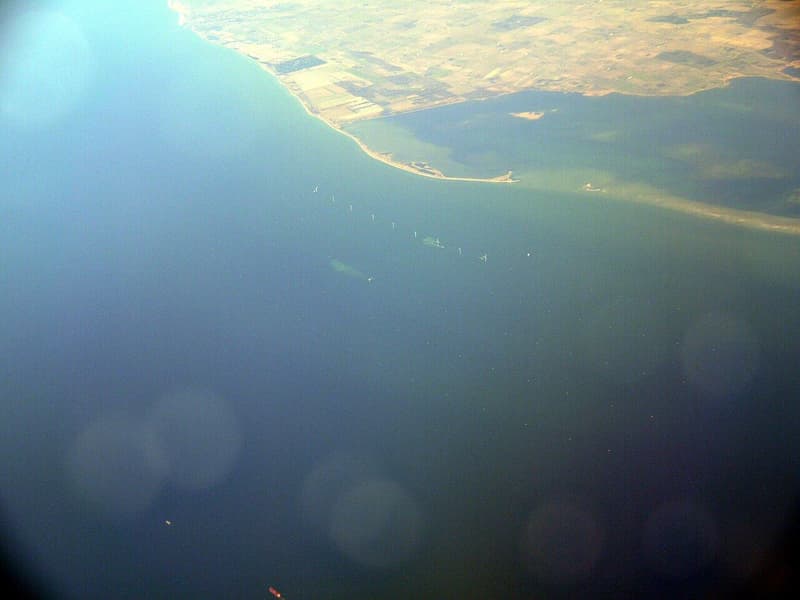
Permits, not weather: what remains
Installation is done, but the project is not yet finished. Final permitting approvals are on track for the first half of 2027, per Northland, the administrative close-out that converts a generating construction site into a fully commissioned power station. With all turbines producing, the remaining risk is paperwork rather than weather, vessels, or cranes, which is precisely the risk profile institutional investors prefer.
Watch the 30-year offtake next. Long-dated contracted revenue at this scale is what the next wave of Asian offshore wind financing will be benchmarked against. With Hai Long demonstrating that a Taiwan Strait gigawatt can be built on budget, the developers behind the island’s later auction rounds now have a reference project their lenders can point to.Costs, in other words, have not drifted from the original plan.