- Terna awarded all 16 GWh offered in Italy’s second MACSE auction on 24 November, with the batteries due online in 2029.
- The weighted average price fell to €11,382 per MWh-year (euros), 12% below the first round and 42% of the €27,000 reserve premium.
- Enel Produzione took 45.9% of the capacity, despite an industry warning about concentration after round one.
Italy’s battery storage auction does not pay developers for the electricity their batteries sell. It pays a fixed annual premium for the capacity itself, and the winners keep that premium for the life of the contract while offering the batteries on energy and grid-services markets. That structure is the point of the mechanism run by grid operator Terna, and this week’s tender tested whether bidders still want the deal now that battery costs have fallen. They do: the round filled completely, only lithium-ion systems competed, and only projects in the south and on the islands were eligible. Terna’s results are provisional, because bidders whose offers were only partly accepted may still decline the commitment.
Demand for MACSE capacity ran well ahead of supply. About 67 GWh of projects qualified for the auction and developers submitted bids covering roughly 43 GWh, or 2.7 times the volume Terna sought. The 16 GWh awarded is about 37% of the volume bid. The oversubscription matters because developers chased a shrinking premium and still filled the round.
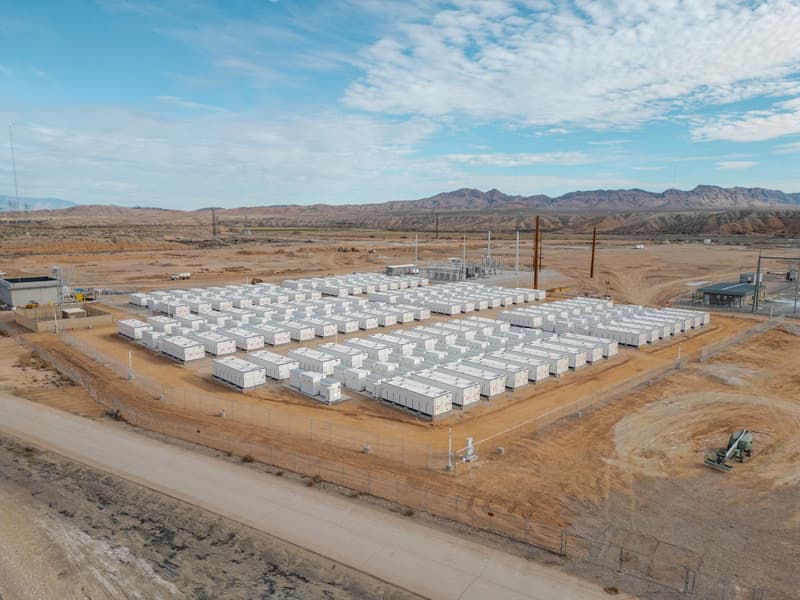
Southern Italy and Calabria Took 60% of the Capacity
The auction covered four zones, and the split was lopsided. Southern Italy and Calabria took 9.6 GWh, or 60% of everything awarded, and also recorded the highest zonal price. Central-South took 2.8 GWh at the lowest price in the round. Sicily and Sardinia split the remaining 3.5 GWh. Prices fell unevenly across the zones: Sicily dropped about 28% from the first round and Sardinia about 27%, while Southern Italy and Calabria fell only about 5%, which is what held the national average drop to 12%.
| Zone | Capacity awarded | Average price (€ per MWh-year) | Share of total |
|---|---|---|---|
| South and Calabria | 9.6 GWh | €11,575 | 60% |
| Sicily | 3.0 GWh | €11,467 | 19% |
| Central-South | 2.8 GWh | €10,716 | 18% |
| Sardinia | 0.5 GWh | €10,925 | 3% |
| Total | 16 GWh | €11,382 | 100% |
The geography is deliberate. Terna limited this round to the south and the islands, where solar output is strong and grid constraints bite hardest, so northern projects sat outside it. The concentration in the south is also where the grid needs storage most: solar-heavy regions with limited export capacity are the places where batteries earn their keep by shifting midday output into the evening.
Round Two Bought 60% More Capacity at a 12% Lower Price
The first MACSE auction, held on 30 September 2025 for delivery in 2028, awarded 10 GWh at a weighted average of €12,959 per MWh-year against a €37,000 cap. The second round bought 60% more capacity at a 12% lower average price, and it did so against a lower reserve: €27,000 per MWh-year, down from €37,000. The winning average came in at 42% of that reserve, against 35% of the cap in round one, which means bidders left less headroom on the table even as prices fell.
| Round one (30 Sep 2025) | Round two (24 Nov 2026) | Change | |
|---|---|---|---|
| Capacity awarded | 10 GWh | 16 GWh | +60% |
| Delivery year | 2028 | 2029 | +1 year |
| Weighted average price | €12,959 per MWh-year | €11,382 per MWh-year | −12% |
| Reserve / cap | €37,000 per MWh-year | €27,000 per MWh-year | −27% |
| Price as share of reserve | 35% | 42% | +7 points |
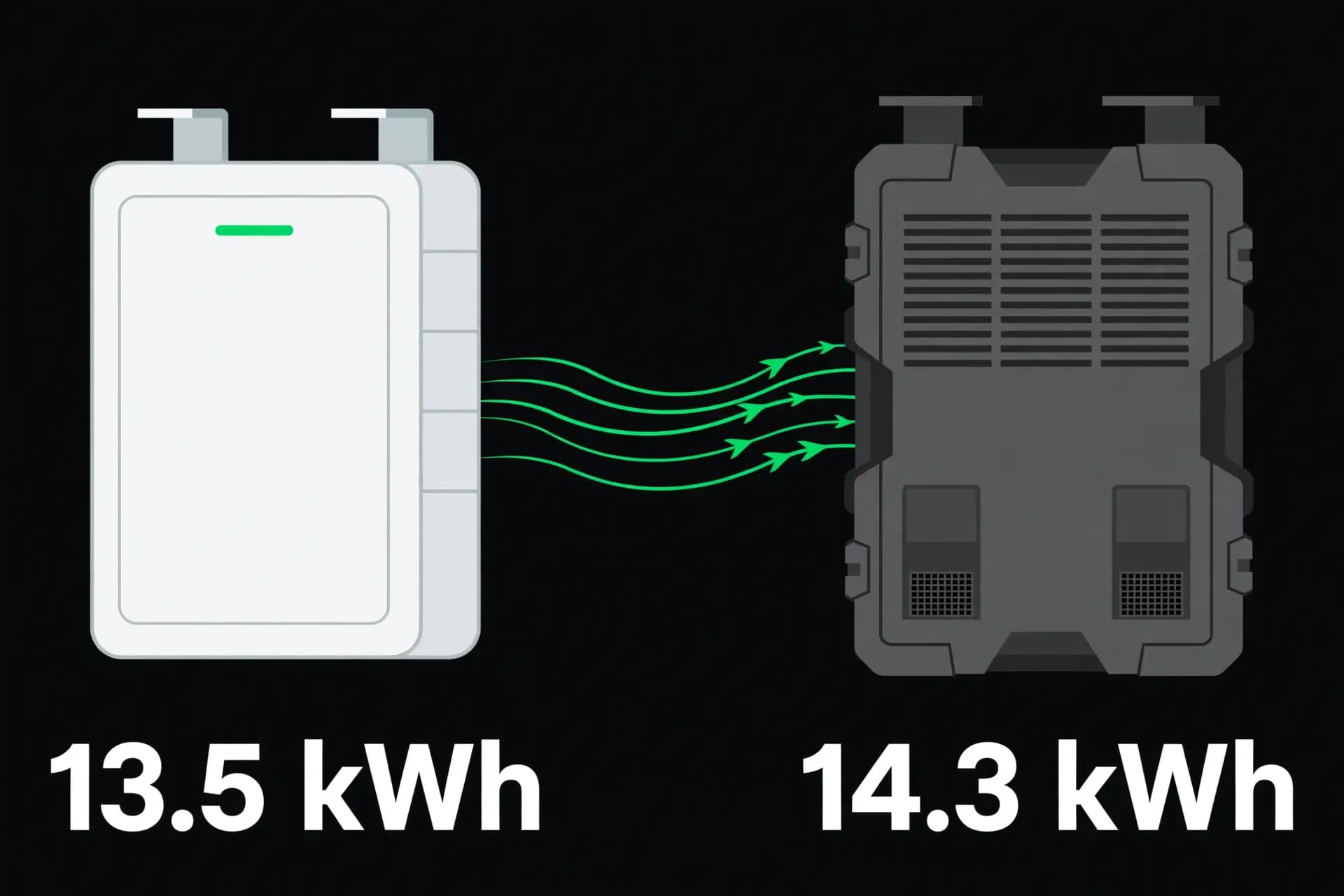
At the average price, the 16 GWh costs about €182 million a year in premiums, or roughly €2.7 billion over the 15-year contracts, before indexation. That is Joule Post’s own arithmetic from the published average price, not a Terna figure. The scale is worth putting next to the United States, where 14.3 GWh of batteries were installed in the third quarter of 2026 alone on the way past 200 GWh of cumulative storage. Italy’s entire auction is about one American quarter. The difference is the model: the US build-out is largely merchant, while Italy is buying contracted capacity at a published price, which gives developers revenue certainty and gives the grid operator a known cost.
The winner list is top-heavy. Enel Produzione secured 7,336 MWh across three battery systems, or 45.9% of the awarded capacity, including the largest single project at 3,399 MWh in Southern Italy and Calabria. A2A followed with 2,608 MWh across four systems. The rest went to smaller developers: ContourGlobal with 623 MWh, FIVE-E with 539 MWh, Whysol with 531 MWh, Cubico with 430 MWh and Enlight with 240 MWh. Sixteen projects were selected in total.
The concentration is not a surprise. Ahead of the auction, industry federation ANIE warned that a single operator had taken more than half the capacity in the first round, proposed a 30% cap on what any one operator can win in each zone, and called for closer coordination between MACSE and Italy’s capacity market. No cap was in place for round two, and Enel’s 45.9% is only just below the level ANIE flagged. The picture could be heavier still: Terna’s published results also list three further awards totalling 3,693 MWh under separate company names, and the report does not establish whether those companies are affiliated with Enel. Counting them would take the broader tally to 11,029 MWh, or about 69% of the round. Terna did not disclose the winning bidders, power ratings, durations or investment figures in its release; the breakdown comes from its published results report.
For a market that is supposed to build a competitive storage fleet, the question is whether one developer’s scale advantage keeps compounding. Enel’s size lets it bid lower and absorb development risk across a portfolio, which is exactly what a falling average price rewards. The counterweight is the oversubscription: 43 GWh of bids means smaller developers are still in the room, and Whysol’s second consecutive MACSE award shows repeat participation is possible. But until a cap or a different allocation rule appears, each round is likely to look like this one.
What the €11,382 Price Means for Italy’s 2030 Storage Target
The 16 GWh is half of the 32 GWh of extra storage Terna proposed buying by 2030, according to a July consultation document from regulator ARERA. Italy’s energy ministry confirmed the 16 GWh for 2029 by decree on 20 May 2026. The remaining half is not yet scheduled: Terna proposed setting the 2030 requirement after further assessments, according to ARERA. If the next round follows the same pattern, the price will keep falling while the volume grows, and the south will keep taking most of it.
That trajectory suits Italy’s grid, but it leaves two gaps. The first is the north, which was outside this round entirely and will need its own procurement or merchant build-out. The second is duration: MACSE buys capacity, and Terna’s release says nothing about how many hours each battery can discharge, which is the number that decides whether storage can cover an evening peak or only shave it. The price is now public and falling. The next thing to watch is whether the next round buys longer-duration storage, and whether the concentration warning finally produces a cap. The storage pipeline is proven, and the market design around it still needs work.
The pattern is familiar from the wider storage market. Fluence closed its fiscal year with a record US$8.9 billion order backlog, and the industry’s direction is clear: batteries are getting cheaper and orders are getting bigger. Italy’s auction shows the same forces at work inside a regulated procurement, with the price doing the talking. The 12% fall in a single year is the number that will shape the next round, and the 45.9% share is the number that will shape the argument about it.
Sources
- Italy’s Terna awards 16 GWh in storage auction, Renewables Now, 25 November 2026
- Italy awards 16 GWh of storage in its second MACSE auction as the average price falls 12%, Europe Says (from pv magazine Italia), 25 November 2026
- Italy MACSE Auction: 16 GWh of Batteries at €11,382/MWh-Year, list.solar, 25 November 2026
- Terna awards nearly 16 GWh of BESS capacity in Italy’s second MACSE auction, Enerdata, 26 November 2026