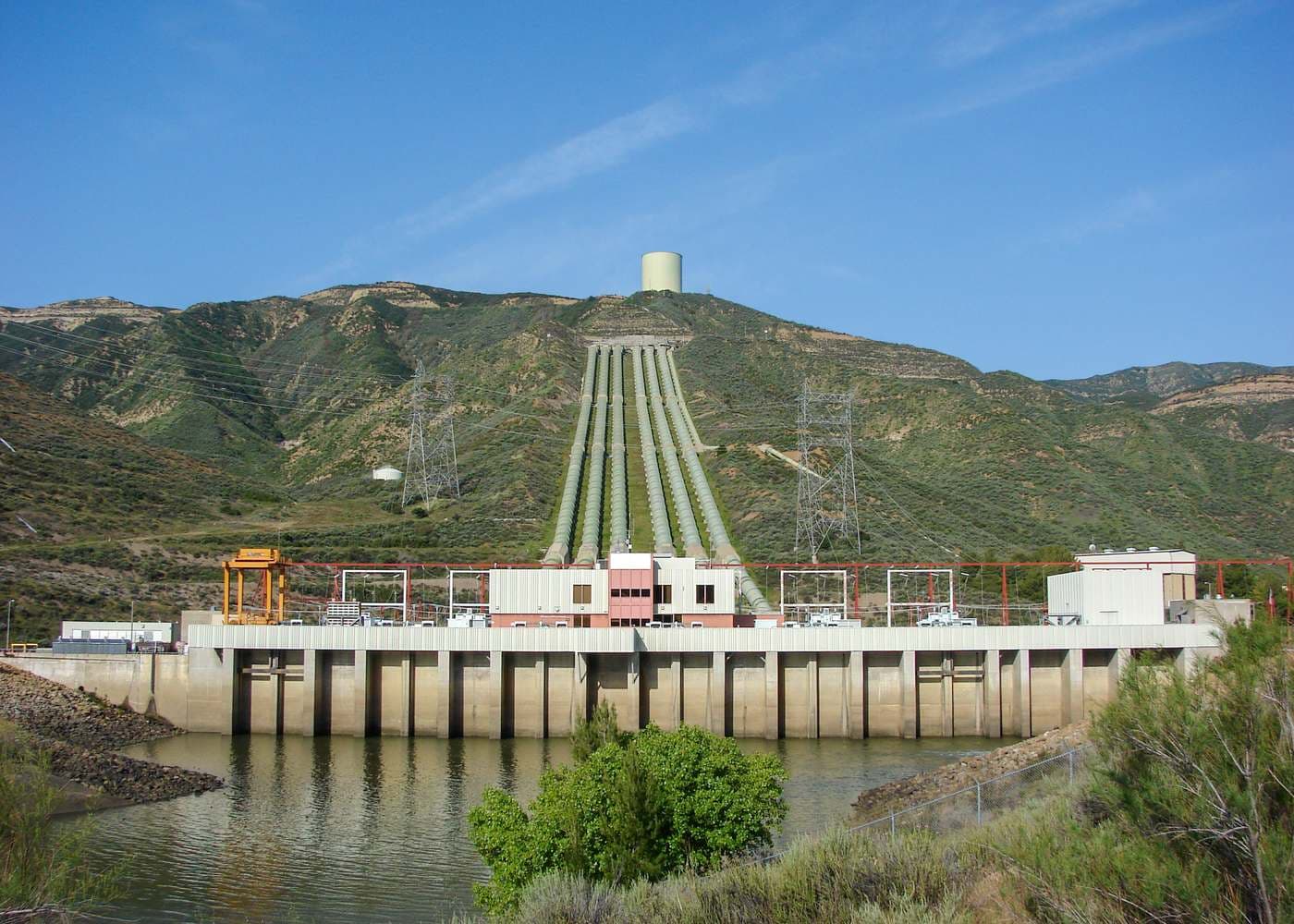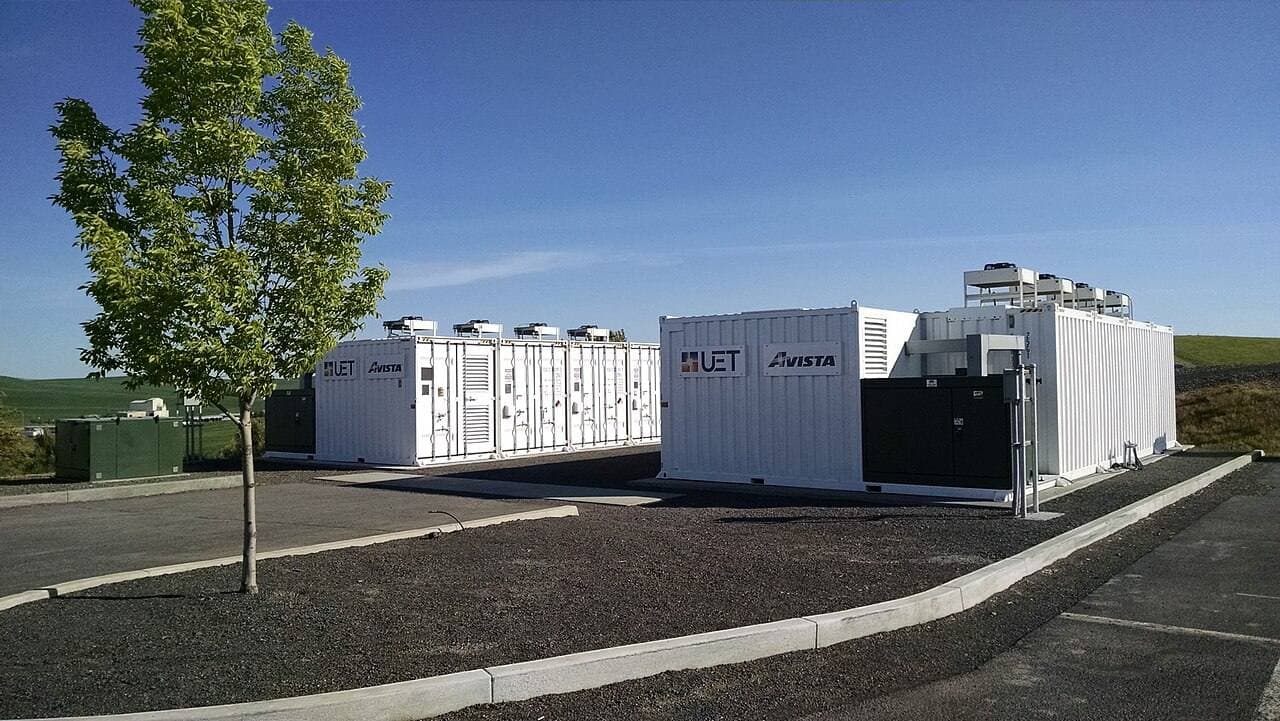
- CMBLU and the Imperial Irrigation District will build a 10 MW, 100 MWh SolidFlow battery at the Pilot Knob Hydro Power Plant in Winterhaven, California, delivering ten hours of stored energy.
- Ten hours is 2.5 times the four-hour duration of a typical California lithium-ion battery, and the system uses no lithium and no vanadium.
- The California Energy Commission approved a US$7.2 million grant for the first phase, a 1 MW, 10 MWh installation, which is exactly 10% of the full project.
The arithmetic is the story. Divide 100 megawatt-hours by 10 megawatts and the Echo Sands unit runs for ten. A typical lithium-ion unit on the same grid runs for four. That six-hour gap is the difference between covering an evening peak and covering a full night, and in the desert heat around Winterhaven, where the Fort Yuma Quechan Indian Tribe lives, a night of stored energy is the difference between a disruption and an emergency. The project was announced on 18 November 2026.
Duration is the metric that separates grid storage technologies from each other. Lithium-ion dominates California’s battery fleet because it is cheap and proven at four hours, and the fleet the California Energy Commission counts at 21,112 MW is mostly four-hour systems. Stretching lithium-ion to ten hours means buying two and a half times the cells for the same power output, and the cost rises with every extra hour. Technologies built for long duration start from the opposite direction: cheap energy capacity, modest power, and a design that does not degrade when it sits charged for hours.
Ten hours against a four-hour standard
Echo Sands will be delivered in two phases. The first phase is a 1 MW, 10 MWh installation funded by the US$7.2 million grant from the California Energy Commission’s Community Energy Reliability and Resilience Investment Program, known as CERRI, which uses federal funding for grid hardening and energy resilience. The first phase is exactly 10% of the full 10 MW, 100 MWh project, and the grant covers the first phase only. Funding for the full build has not been disclosed, and the grant should not be read as paying for the whole project.
| System | Power | Energy | Duration |
|---|---|---|---|
| Echo Sands, full project | 10 MW | 100 MWh | 10 hours |
| Echo Sands, phase 1 | 1 MW | 10 MWh | 10 hours |
| Typical California lithium-ion battery | Any | Any | 4 hours |
| Typical Texas battery | Any | Any | 2 hours or less |
The comparison that matters is cost per hour. The US Department of Energy’s 2020 assessment put ten-hour storage at US$119 to US$399 per kilowatt-hour depending on technology, with compressed air cheapest and vanadium flow batteries dearest, and lithium-ion LFP at US$356 per kilowatt-hour for a fully installed 100 MW, 10-hour system. Those are 2020 figures, and costs have moved since, but the shape of the comparison has not: lithium-ion gets expensive as duration grows, while technologies designed for long duration get cheaper per hour. CMBLU has not disclosed what Echo Sands costs, so the project cannot yet be placed on that scale. The test is whether a non-lithium system built for ten hours can undercut the lithium-ion price at the same duration.
What SolidFlow is made of, and what it leaves out
CMBLU’s SolidFlow design combines solid energy-storage materials with a flow-battery architecture in a modular system. The company says the materials are non-flammable, with no risk of thermal runaway, and the system uses neither lithium nor vanadium. The materials are abundant and can be sourced locally, according to the announcement. Those claims come from CMBLU, and they should be read as the company’s description of its own technology rather than as independent test results. The independent evidence will come from the operating data once the first phase is running, and from the Pacific Northwest National Laboratory and the Electric Power Research Institute, both partners in the project.
Leaving out lithium and vanadium matters for two reasons. Lithium supply chains run through a small number of countries, and prices have swung sharply in recent years. Vanadium, the electrolyte in the most established flow batteries, is expensive enough to set the cost floor for the whole technology: vanadium flow was the dearest option in the Department of Energy’s 2020 assessment at US$399 per kilowatt-hour. A chemistry built from abundant materials avoids both constraints, if it works at grid scale. The history of alternative battery chemistries is full of laboratory results that did not survive the step to a working plant, which is why a ten-megawatt deployment with a utility partner is a more useful test than another press release.
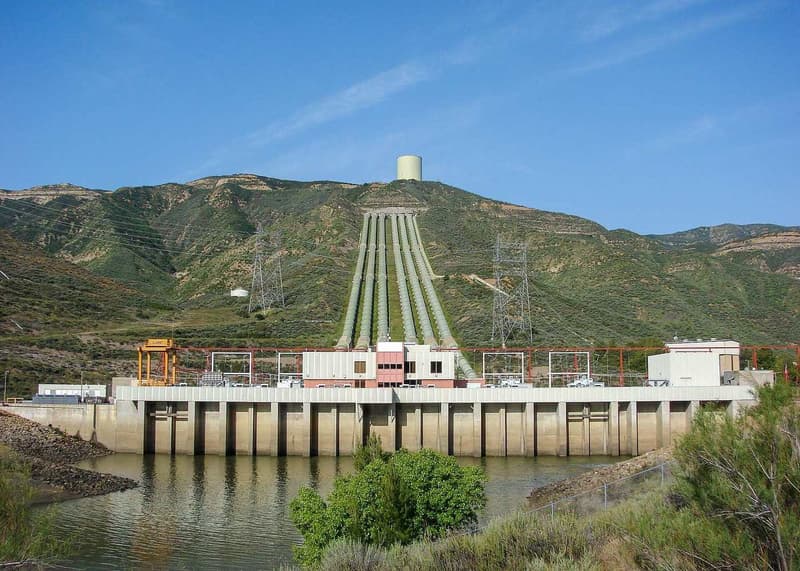
The first phase is a US$7.2 million state grant
The grant came through a competitive round of the CERRI Program, and the Imperial Irrigation District was selected as a small-entity recipient. Paul Rodriguez, deputy power department manager at the district, said: “We appreciate the California Energy Commission for selecting IID as a small-entity recipient in this highly competitive round of the CERRI Program.” The district is a public agency that supplies power and water in the Imperial Valley, and its service territory includes some of the hottest inhabited land in the United States.
The partner list shows how the project is meant to be validated. Campesinos Unidos, a farmworker community organisation, is a partner alongside the Pacific Northwest National Laboratory and the Electric Power Research Institute, with CleanTech Strategies advising. The laboratory and the research institute bring testing and evaluation capacity that a small utility does not have in-house. Their involvement is the reason the project’s operating data is likely to be published and scrutinised, rather than remaining a vendor claim.
Why a tribal community in extreme heat
Echo Sands sits at the district’s Pilot Knob Hydro Power Plant in Winterhaven, California, on the Colorado River near the Arizona border, and it serves the Fort Yuma Quechan Indian Tribe and surrounding communities. The project is named for community resilience, and the framing is deliberate: the battery is meant to keep power flowing during extreme heat and disruptive events, not only to shift solar energy from afternoon to evening. Ten hours of storage covers a full night of air conditioning, medical equipment, and refrigeration, which is what a community needs when the grid fails during a heatwave.
Giovanni Damato, president of CMBLU Energy, put the resilience case directly: “Reliable power matters most when communities are under the greatest strain… With technology purpose-built for 10+ hours of storage, we’re giving IID another dependable tool to serve its communities.” The claim that the technology is purpose-built for ten hours or more is the project’s central bet, and it is also its central risk. A battery designed for long duration has to prove it can cycle daily, hold charge without losses, and survive desert heat, all at a cost below lithium-ion at the same duration.
The post-lithium race, in one project
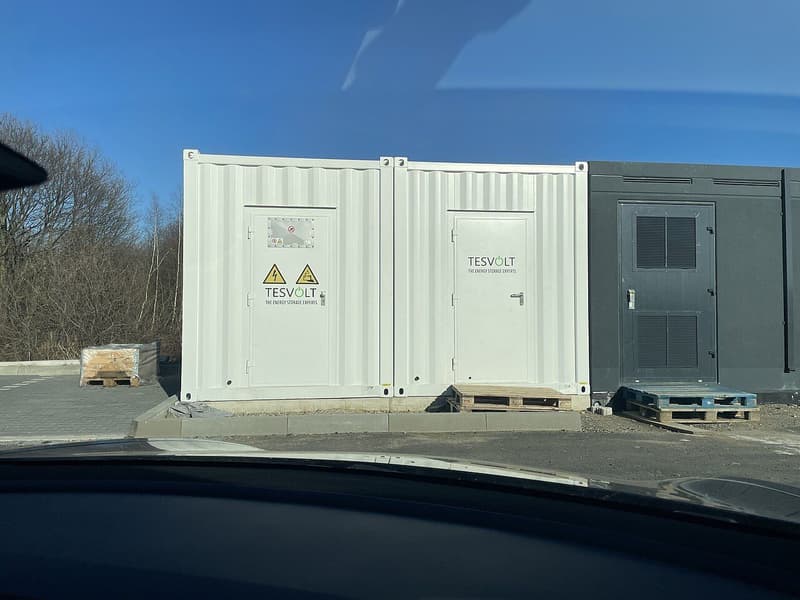
Echo Sands is one entry in a wider search for storage chemistries beyond lithium-ion. Sodium-ion batteries are the most advanced alternative, with GM and Peak Energy announcing a US$108 million sodium-ion project for data centres, and our coverage of that deal explains why data centre operators want a chemistry that does not compete with electric vehicles for lithium. Solid-state batteries, iron-air batteries, and flow batteries of several kinds are all chasing the same opening: lithium-ion is good at four hours, and the grid increasingly needs ten, twelve, or a hundred.
The benchmark for any of them is the lithium-ion incumbent. A Tesla Megapack costs about US$278 per kilowatt-hour and stores 5 MWh per unit, and our long-duration storage guide puts the 2020 Department of Energy range for ten-hour systems at US$119 to US$399 per kilowatt-hour. Echo Sands will be judged against those numbers once it operates, and against a simpler question: does the battery keep the lights on in Winterhaven through a hot night? The first phase, funded and approved, is the step that starts answering both.