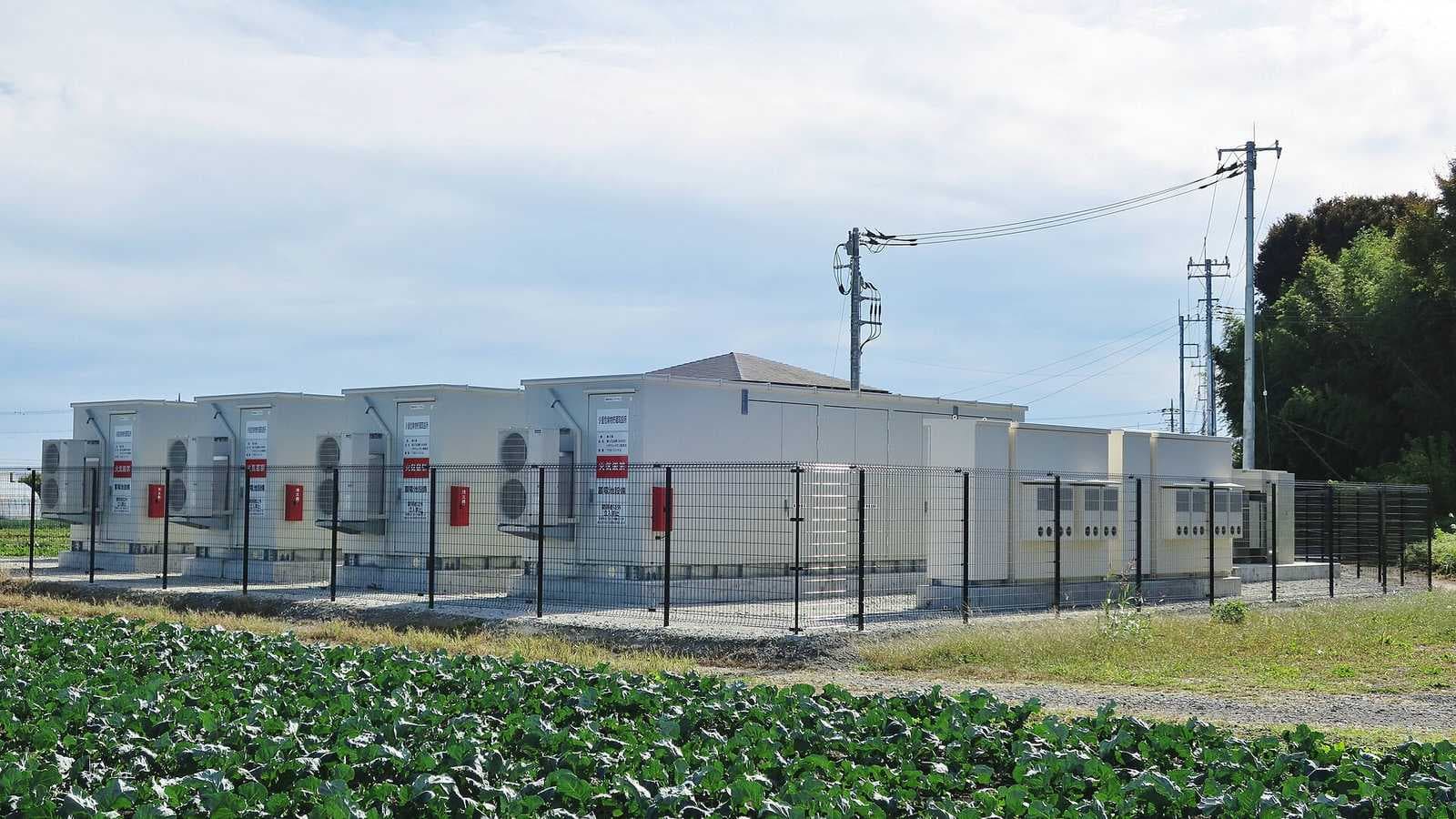
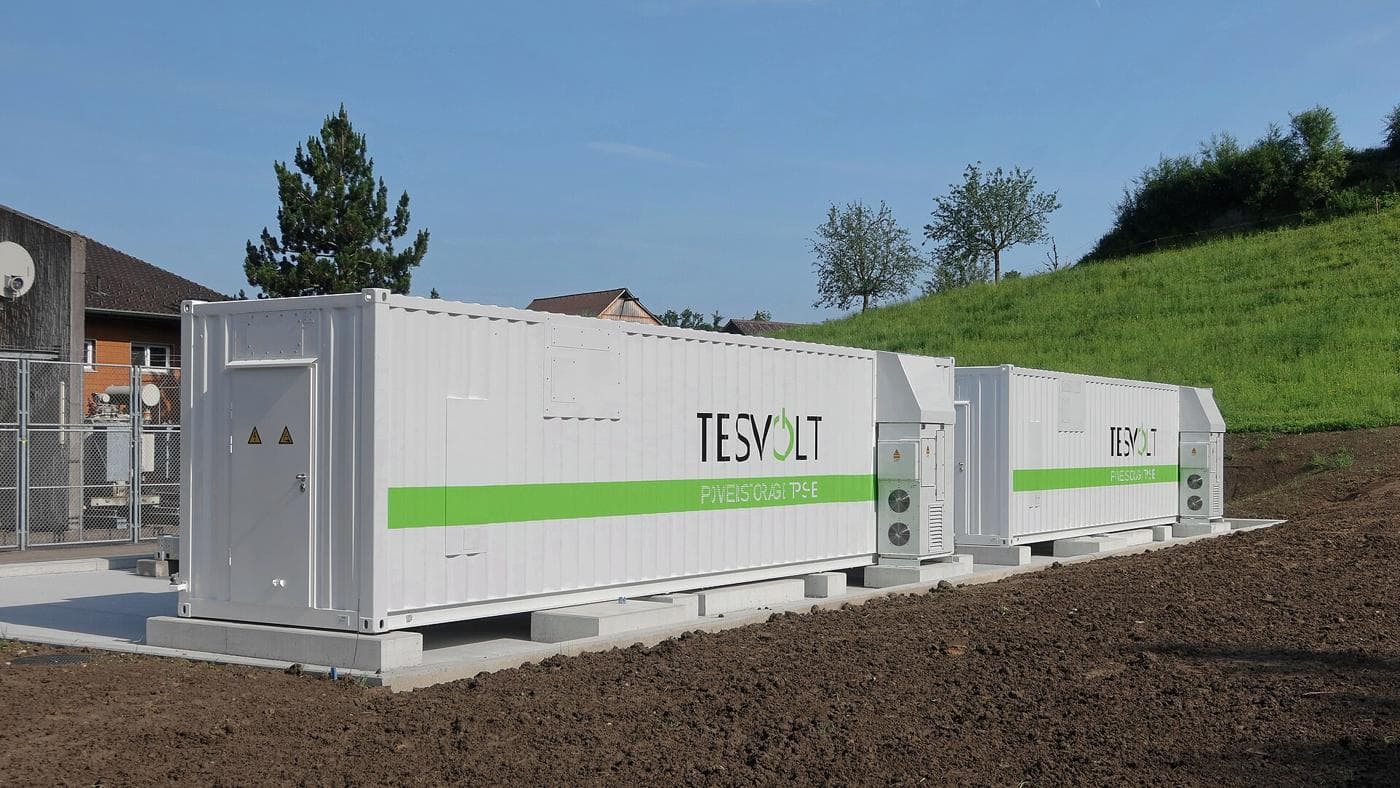
- StarCharge connected a 1 GW, 4 GWh grid-forming lithium iron phosphate battery in Xilin Gol League, Inner Mongolia, and calls it the largest single-site grid-forming standalone battery in the world.
- At about US$105 per kWh all-in, the project cost sits well above the US$70 per kWh BloombergNEF recorded for stationary storage battery packs in 2025, leaving roughly US$35 per kWh for construction, grid connection and the rest of the system.
- One site holds 4 GWh, equal to 28% of all the storage the United States installed in the third quarter of 2026.
Divide the price tag by the capacity and the arithmetic is blunt. StarCharge spent RMB 3 billion (Chinese yuan, about US$420 million) on the project, which works out to about US$105 per kWh for the finished system. That figure covers far more than cells in a grid-forming battery storage project: BloombergNEF put the average price of a stationary storage battery pack at US$70 per kWh in its 2025 survey, so roughly US$35 per kWh of the StarCharge price went to cabinets, power electronics, construction, the step-up substation and the grid connection. The gap between a pack price and a finished project is where storage economics are decided, and this project prices that gap in public.
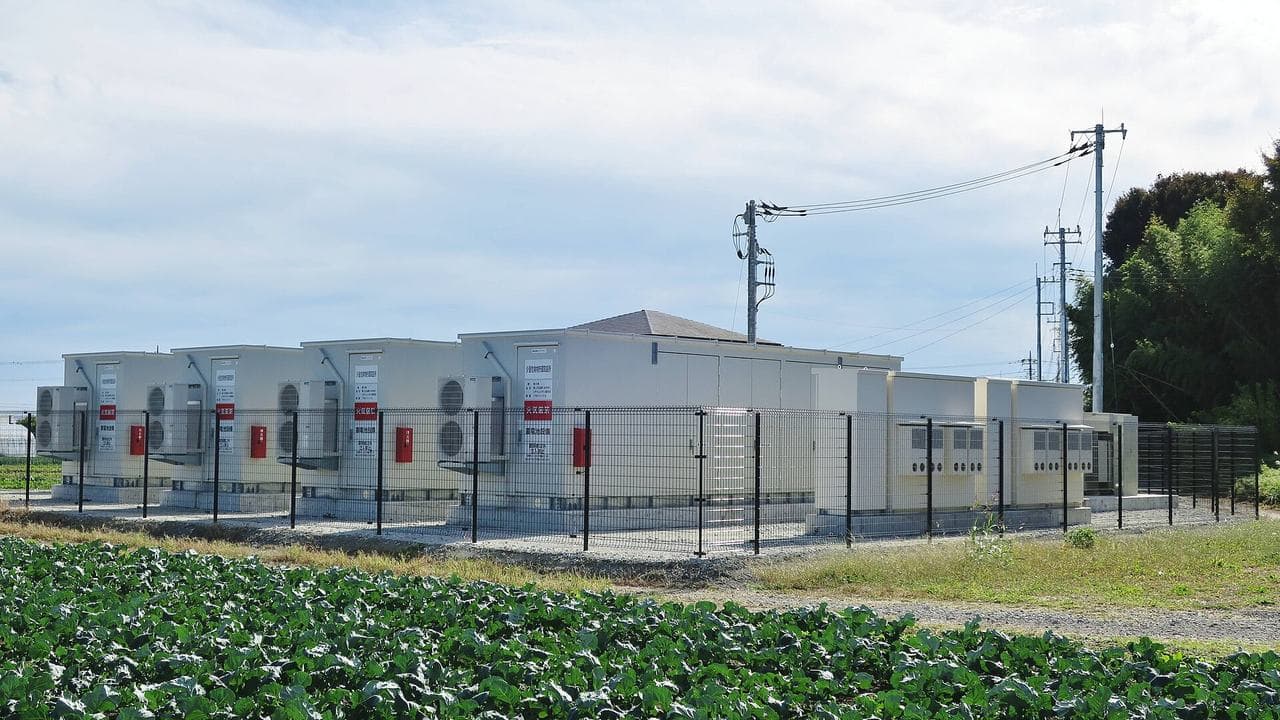
StarCharge announced the grid connection on 27 November 2026, saying the station in Xilin Gol League, Inner Mongolia, uses 800 of its own 5 MWh battery cabinets and covers 28 hectares. The company says the station has operated stably for three months since connecting, which dates the connection to about late August 2026, and is designed to deliver about 1 TWh of green electricity a year to Sonid Left Banner.
Grid-forming battery storage sets the frequency instead of following it
Most grid batteries run grid-following inverters. They watch the voltage and frequency the grid already provides, then inject or absorb power to match it. If the grid falters, they disconnect and wait. A grid-forming battery does the opposite: its inverters set voltage and frequency themselves, provide active frequency and voltage regulation, keep running in island mode and respond rapidly to faults. The StarCharge release makes exactly that distinction, describing a system that supports grid frequency and voltage stability and smooths the intermittency of renewable generation in Inner Mongolia, a region that builds wind and solar faster than its transmission can absorb.
That capability is the point of the project. A battery that only follows the grid is a useful warehouse for cheap electricity. A battery that forms the grid can stand in for the spinning turbines that used to hold frequency steady, which matters as coal plants retire and inverter-based generation takes a larger share of supply. Grid-forming at 1 GW is a scale at which grid operators start to take the technology seriously as infrastructure. Readers who want the full mechanics can start with our guide to how grid batteries work.
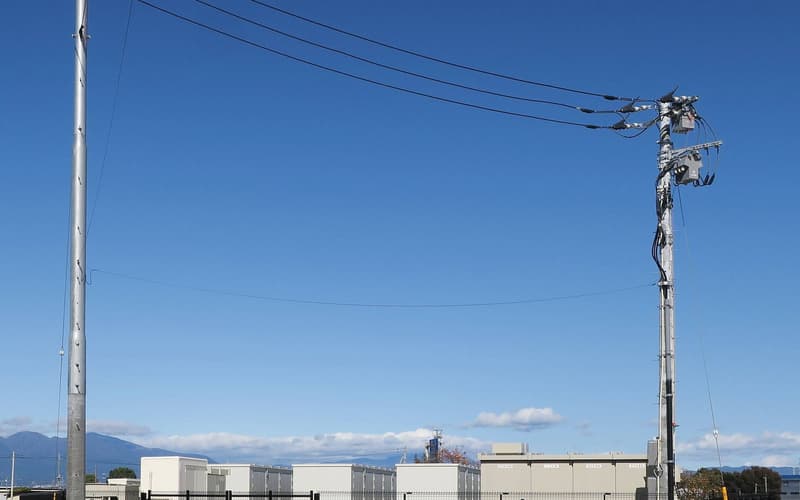
4 GWh tops the largest US battery by 713 MWh
The headline claim deserves a check against the public record. StarCharge calls its station the largest single-site grid-forming standalone battery system in the world, and on raw energy capacity the 4,000 MWh figure clears every battery on the published list of the largest storage plants. By energy capacity it is the largest battery storage project yet connected to a grid anywhere. The previous benchmark holder, the Edwards and Sanborn project in Kern County, California, holds 3,287 MWh and was reported fully online in January 2024. StarCharge beats it by 713 MWh, or about 22%.
| Project | Location | Energy capacity | Power | Online |
|---|---|---|---|---|
| StarCharge Xilin Gol | Inner Mongolia, China | 4,000 MWh | 1,000 MW | 2026 |
| Edwards & Sanborn | Kern County, California, US | 3,287 MWh | Not disclosed | January 2024 |
| Nova Power Bank | Menifee, California, US | 2,720 MWh | 680 MW | 2024 |
| Moss Landing Vistra Battery | Moss Landing, California, US | 1,600 MWh | 400 MW | 2020-2021 |
| Waratah Super Battery | New South Wales, Australia | 1,400 MWh | 700 MW | 2025 |
The comparison comes with a caveat the table cannot show. Capacity figures in the published list of large storage plants describe nameplate energy at commissioning, and the Moss Landing complex suffered a fire in January 2025 that took much of its original installation offline. StarCharge holds the record on the numbers as published, and the margin is wide enough that later revisions to other sites would be unlikely to close it. What the record does not settle is performance: no independent data has been published on how the Xilin Gol station has behaved across its three months of operation.
What US$105 per kWh buys in a Chinese project
The LFP battery cost picture in 2026 rewards a closer look. BloombergNEF recorded an average stationary storage pack price of US$70 per kWh in 2025, down 45% from 2024, and an average lithium iron phosphate pack price of US$81 per kWh across all segments in the same survey. The average pack price in China was US$84 per kWh. Against those benchmarks, the StarCharge project cost of about US$105 per kWh all-in looks consistent with a Chinese-built system: packs bought near the Chinese average, plus the balance of system and civil works.
The same arithmetic cuts the other way in the United States, where BNEF found pack prices 44% higher than in China. A US project built to the same design would carry a pack bill near US$101 per kWh before installation, which helps explain why American developers lean on tax credits and capacity payments while Chinese projects can move on merchant economics alone. The US order books show the demand side: Fluence booked a record US$3.5 billion of orders in its fiscal fourth quarter, and Italy awarded 16 GWh of storage in its MACSE auction at prices 12% below the first round. Storage is being bought at scale on both sides of the Pacific, but the cost floor sits in China.
One site equals 28% of a US quarter
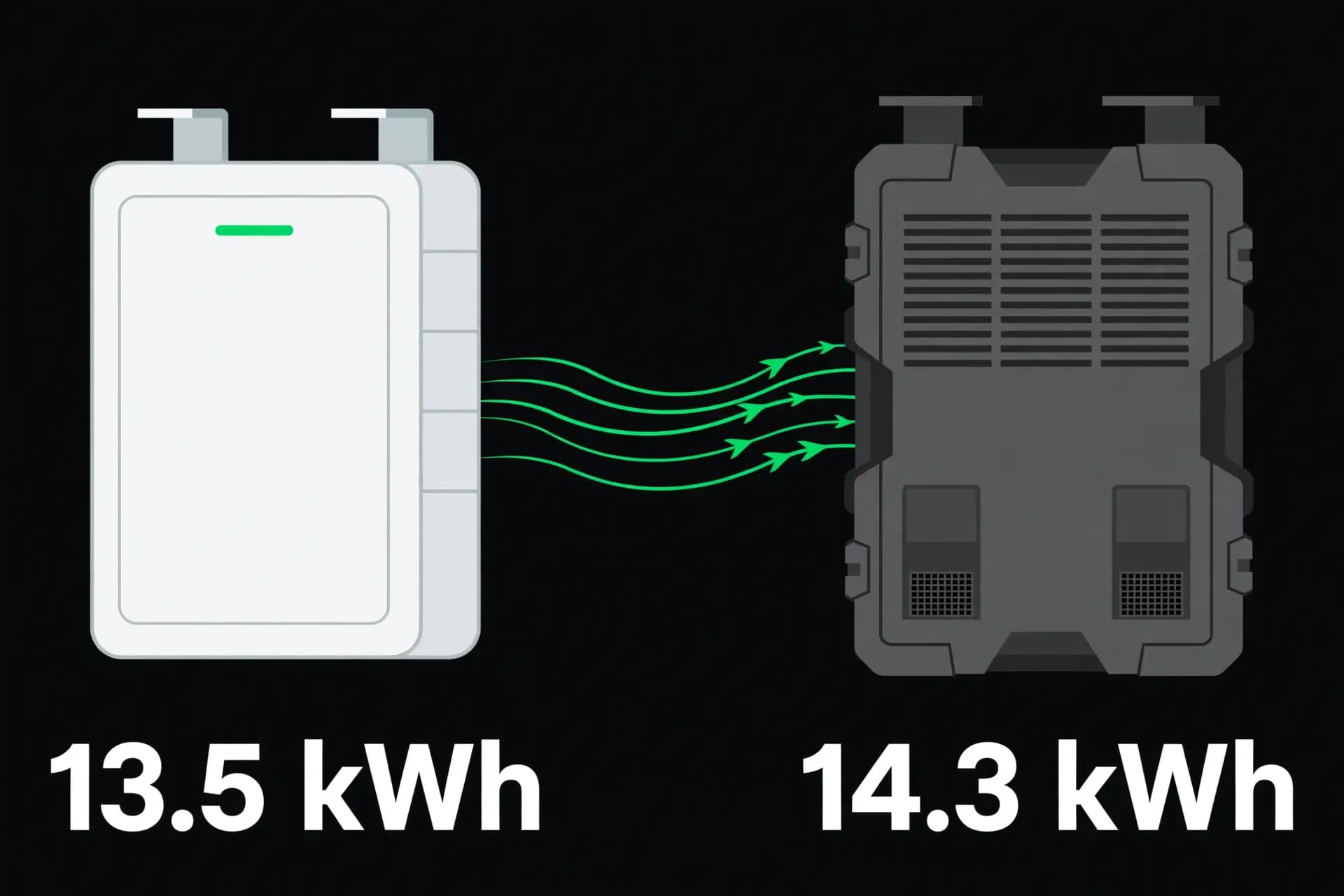
Scale is the other way to read the announcement. The United States installed 14.3 GWh of storage in the third quarter of 2026 and 48.3 GWh across the first nine months of the year, passing 200 GWh of cumulative capacity, according to the Solar Energy Industries Association. A single Chinese site holding 4 GWh equals 28% of an entire US quarter and 2% of everything the United States has ever installed: one project, one province, more than a quarter of a US quarter.
A 4 GWh battery delivering about 1 TWh a year works out to roughly 250 full charge and discharge cycles annually, or a full cycle on about two days in three. That is a working battery, built to absorb Inner Mongolian wind and solar output and return it when demand rises. At four hours of duration, it can cover an evening peak and recharge overnight.
What to watch before calling this a turning point
Three questions will decide whether the StarCharge Inner Mongolia station is a record or a template. The first is performance data: three months of stable operation is a company statement, not a published dataset, and grid-forming behaviour under a real fault is the test that matters. The second is replication: StarCharge says the architecture provides a replicable model for large-scale grid-forming deployment, but no second project at this scale has been announced. The third is whether other markets follow. Grid-forming requirements are already appearing in grid codes in Australia and parts of Europe, and a 1 GW working example gives regulators a reference point they did not have a year ago.
If the model replicates, the cost math points the way. At about US$105 per kWh all-in, a 4 GWh grid-forming station costs roughly what a mid-size gas peaking plant costs to build, while delivering frequency services a gas plant cannot match at the same speed. The more durable fact is the price tag: grid-forming storage at gigawatt scale now has a published cost, and every grid operator weighing the technology can do the division for itself.
Sources
- StarCharge Connects 1 GW/4 GWh LFP Battery Energy Storage System (BESS) to Grid in Inner Mongolia, PR Newswire, 27 November 2026
- Lithium-Ion Battery Pack Prices Fall to $108 Per Kilowatt-Hour, Despite Rising Metal Prices, BloombergNEF, 9 December 2025
- U.S. Exceeds 200 GWh of Energy Storage Capacity Installed to Date, Solar Energy Industries Association, 17 November 2026
- List of energy storage power plants, Wikipedia, accessed 28 November 2026