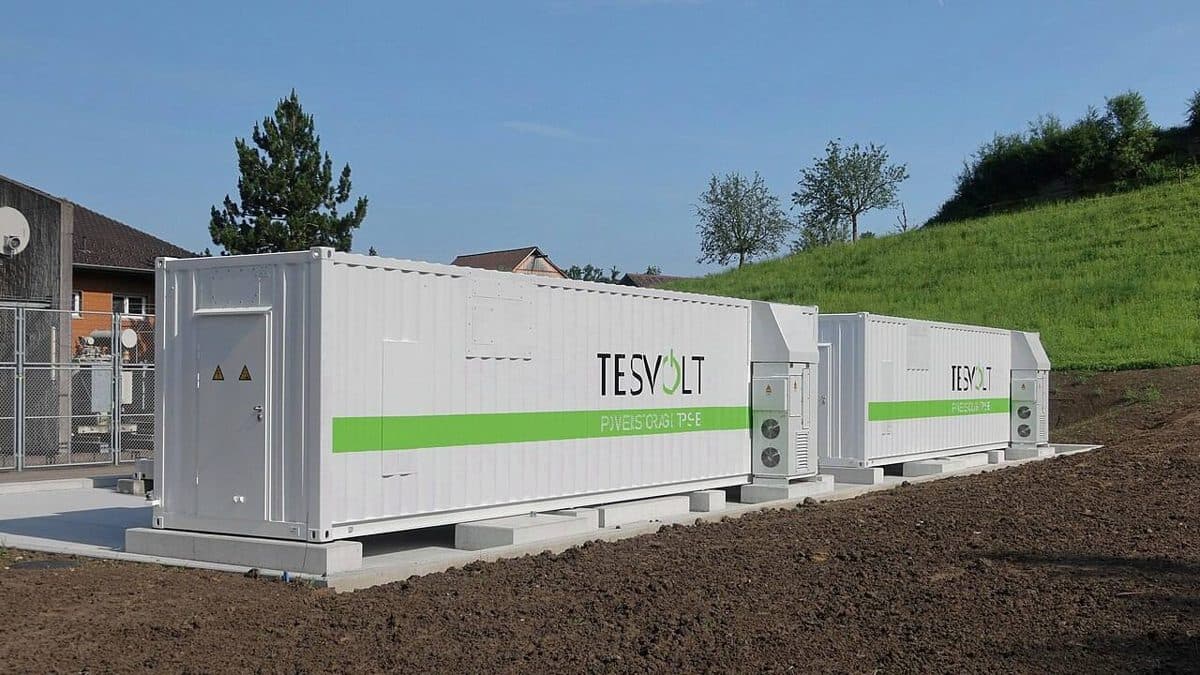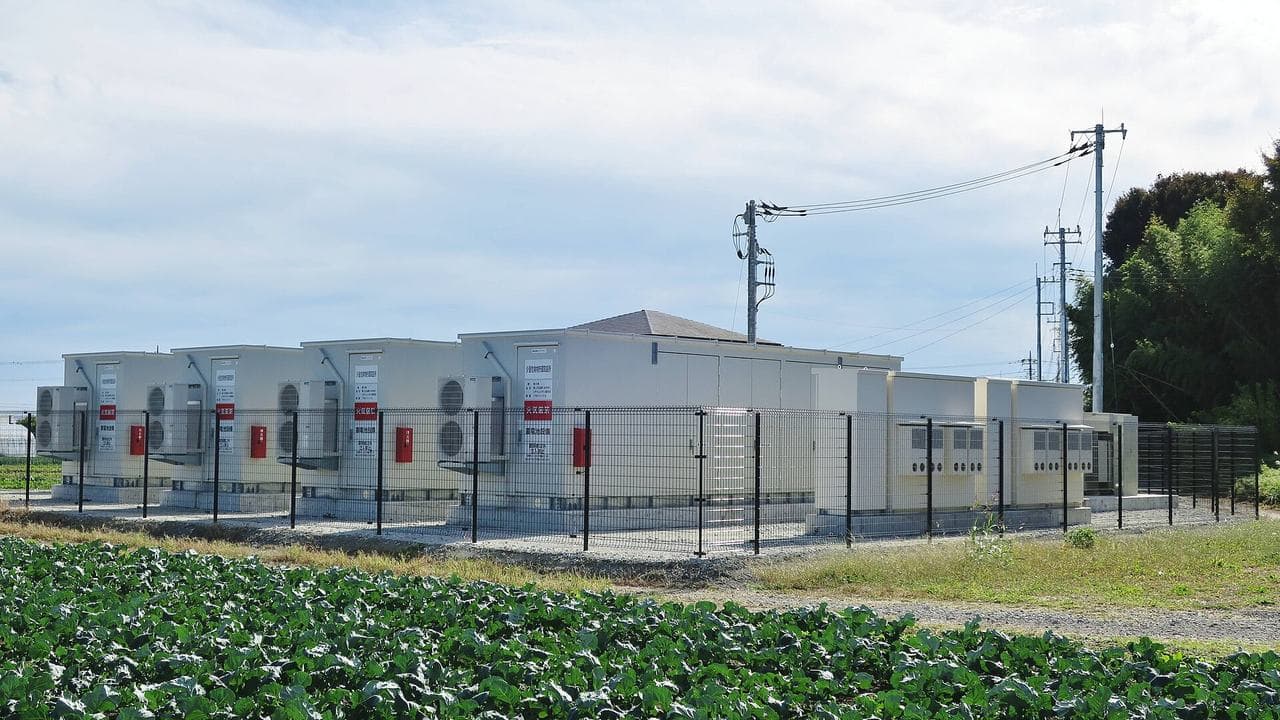
- Four US battery systems totalling 1,095 MW switched on between 6 and 10 November 2026, from Florida to Utah, in a single week of announcements.
- FPL’s 400 MW Lansing Smith battery in Florida leads the tally at 1,600 MWh, built on land that used to store coal.
- Four-hour storage dominates the week: Lansing Smith, Faraday, and one McGrau Ford phase all run four hours at full output.
Duration, reused ground, and a new kind of customer tie the week’s switch-ons together. The FPL Lansing Smith battery anchors a group of systems that came online across five days, most of them able to discharge for a full evening, one of them on a former coal yard, and one of them wired into a data center deal. Their combined ratings come to just under 1.1 GW, a Joule Post addition from the developers’ own published figures.
The four span the full range of the market: a 530 MW utility flagship in Georgia, a 400 MW Florida system on a former coal yard, a 150 MW Utah battery contracted to a data center, and a 15.4 MW battery for a hospital and university district in Cleveland. The tally below uses each developer’s published ratings, in a concentrated run of US battery storage commissioning in November 2026. The week’s fifth project, Terra-Gen’s Lockhart complex in California, is kept separate because we covered Lockhart on 11 November.
The week’s tally reached 1,095 MW in five days
| Project | State | Power | Energy | Duration | Date |
|---|---|---|---|---|---|
| Georgia Power McGrau Ford | Georgia | 530 MW | 1,590 MWh | 2 h + 4 h phases | 6 Nov 2026 |
| FPL Lansing Smith | Florida | 400 MW | 1,600 MWh | 4 h | 9 Nov 2026 |
| Lydian Faraday BESS | Utah | 150 MW | 600 MWh | 4 h | 10 Nov 2026 |
| Intelligent Generation, Medical Center Co. | Ohio | 15.4 MW | 30.8 MWh | 2 h | 10 Nov 2026 |
| Total, four projects | 1,095.4 MW | 3,820.8 MWh |
Notes on the table. The McGrau Ford energy total comes from the US Energy Information Administration’s generator inventory, which lists the site’s two 265 MW units at 530 MWh and 1,060 MWh, as reported by The Duck Curve. The Cleveland date comes from a trade roundup of the week’s projects; the system’s 15,417 kW and 30,835 kWh ratings come from Intelligent Generation’s own announcement. Counting Lockhart’s 173.7 MW, which entered commercial operation on 11 November, the week’s total reaches 1,269.1 MW.
The FPL Lansing Smith battery holds 400 MW on a former coal yard
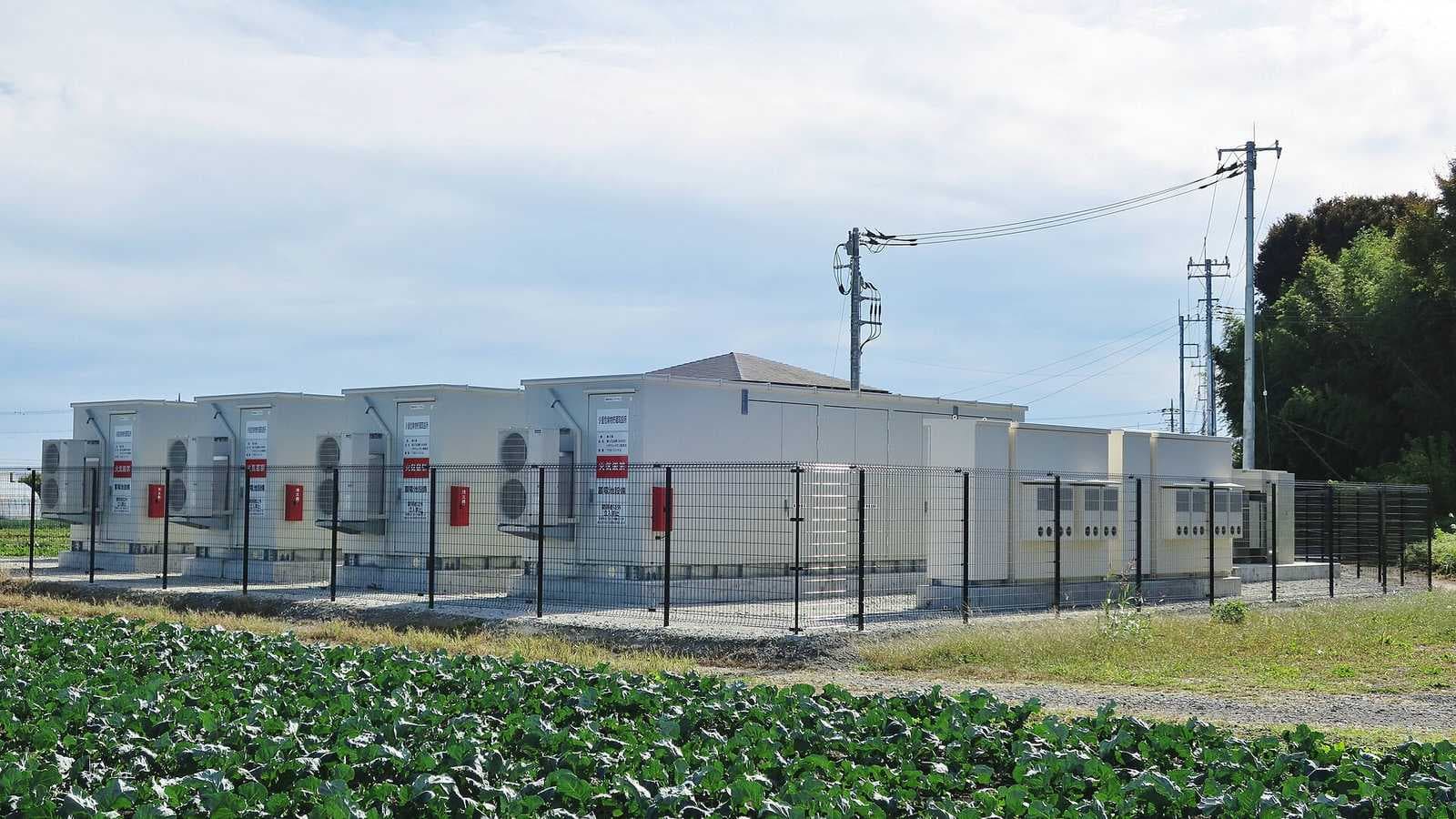
FPL announced the commissioning of its Lansing Smith Battery Energy Storage System in Bay County, Florida, on 9 November. The standalone lithium-ion facility delivers 400 MW for up to four hours, or 1,600 MWh of stored energy, which FPL says can power about 300,000 homes during a four-hour period. It is FPL’s largest battery by stored energy, and it takes the utility’s total battery fleet to nearly 2 GW.
The batteries sit on land that formerly served as a coal storage area, so a yard that once held coal now holds the equipment replacing it. Tim Oliver, vice president of FPL development, said: “The commissioning of the Lansing Smith Battery Energy Storage System represents smart investments in the future of our electric grid.”
The benchmark is FPL’s own older battery. The Manatee Energy Storage Center in Parrish, Florida, is rated at 409 MW and 900 MWh, and it powers about 329,000 homes for two hours. Lansing Smith holds 700 MWh more energy, about 78 percent more, at slightly less power: 400 MW against 409 MW, about 2 percent lower. The difference is duration: Manatee runs about 2.2 hours at full output, Lansing Smith four. Our explainer on Tesla Megapack cost and capacity sets out how the container systems behind these ratings work.
Georgia Power McGrau Ford battery ran months before its ribbon cutting
Georgia Power cut the ribbon on its McGrau Ford Battery Facility near Ball Ground, Cherokee County, on 6 November, calling it the state’s largest battery at 530 MW. The ceremony came after the fact: the EIA inventory lists both of the site’s 265 MW units as operating since August 2026, months ahead of the dates Georgia Power projected in 2025. The site holds 1,100 Tesla batteries in locker-style enclosures, according to WSB-TV, built by Burns and McDonnell.
McGrau Ford is two batteries sharing one grid connection. One 265 MW unit holds 530 MWh, or two hours at full output. The other holds 1,060 MWh, or four hours. The split illustrates the duration shift: the same site, the same builder, two different answers to how long a battery should run. Rick Anderson, Georgia Power’s senior vice president and senior production officer, said the batteries respond fast when the grid has trouble: “If we ever have issues with reliability with the system… have an outage in the system, these batteries will step up, they’re really fast.”
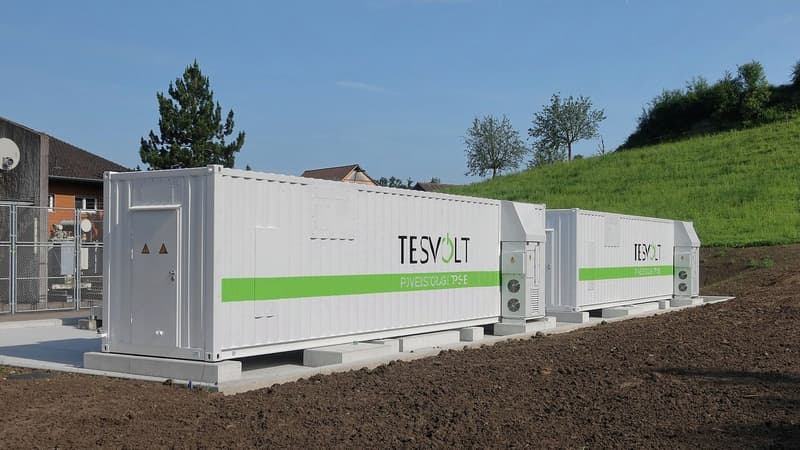
Utah and Ohio show the other two storage markets
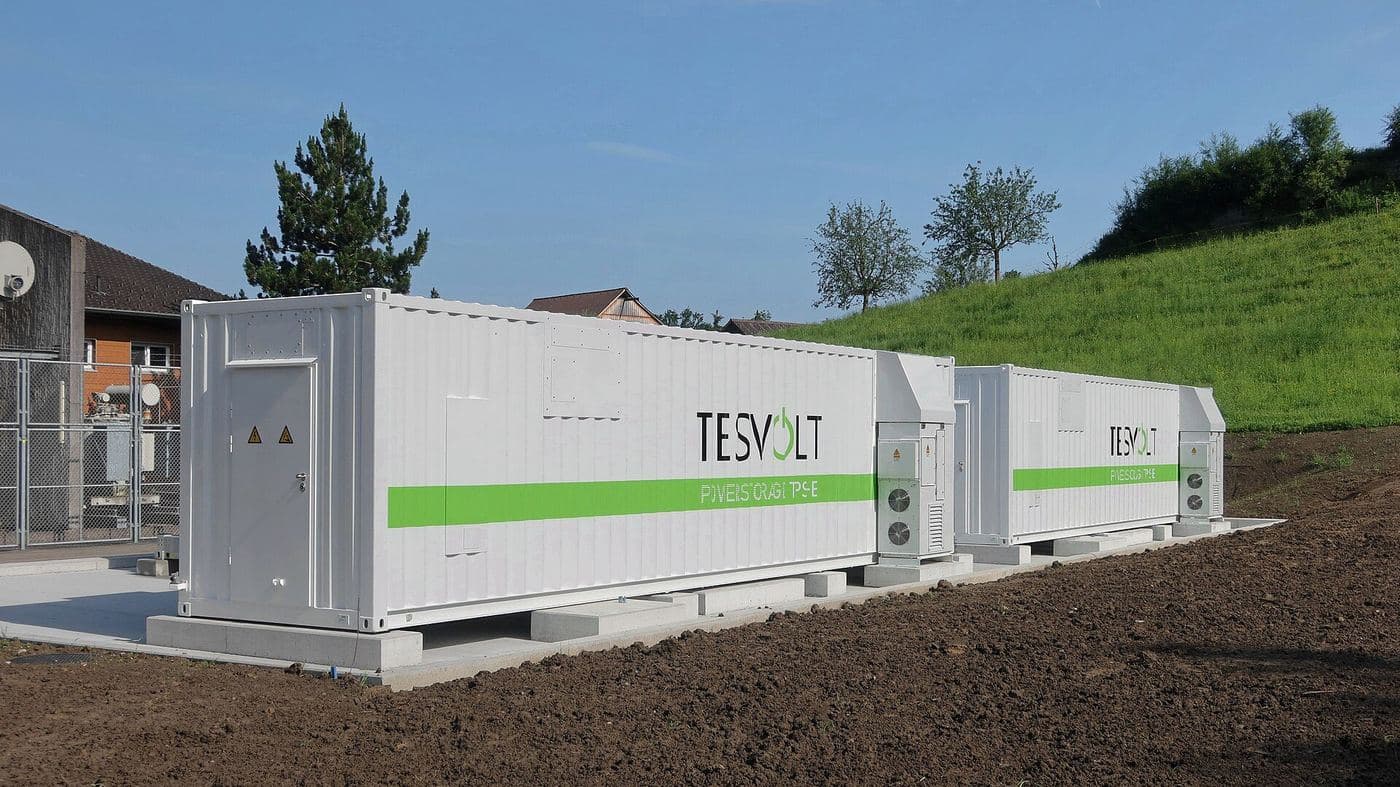
Lydian Energy said on 10 November that its Faraday battery in Utah County, Utah, had reached commercial operation. The 150 MW and 600 MWh lithium iron phosphate system began operating on 18 September and delivers 600 MWh of contracted storage capacity to PacifiCorp under a long-term agreement, contracted through a Schedule 34 contract in support of Meta’s Eagle Mountain data center operations. The system sits on about eight acres next to Lydian’s 525 MW Faraday solar plant, sharing its substation and interconnection. Lydian took the project from mobilisation to commercial operation in about 10 months. Amanda Yang, Meta’s director of clean and renewable energy, said: “Storage is an essential part of a resilient grid.”
Intelligent Generation commissioned a 15.4 MW and 30.8 MWh battery for the Medical Center Company in Cleveland on 10 November, according to a trade roundup of the week’s commissionings. The non-profit district energy system serves University Circle, including Case Western Reserve University, University Hospitals, and the Cleveland Museum of Art. The project uses eight Tesla Megapacks, the first Tesla Megapack installation of its kind in northeast Ohio, according to the contractor’s announcement. District batteries like this one earn their keep by shaving peaks and selling grid services for a single campus.
What 1,095 MW in five days says about the US storage build-out
Three patterns run through the week. The first is coal-site reuse. Lansing Smith sits on a former coal storage yard, and Georgia Power’s 57.5 MW Hammond battery sits at the retired coal-fired Plant Hammond in Floyd County, part of the same 765 MW four-battery program as McGrau Ford. Retired coal sites already have grid connections and land, so batteries inherit the infrastructure coal paid for. Georgia Power has nine more battery facilities approved, adding more than 3,000 MW, and expects 12 battery sites totalling more than 4,000 MW by 2030.
The second pattern is duration. A two-hour battery covers a short evening ramp. A four-hour battery covers the whole evening peak, and it can charge overnight when power is cheap and discharge through the morning. That is why utilities now order four-hour systems as the default, and why the comparison that matters is megawatt-hours rather than megawatts. Lansing Smith proves the point: less power than Manatee, far more energy, and a longer useful evening.
The third pattern is the customer. Faraday exists because a data center needed power fast, and its Schedule 34 contract ties a battery directly to Meta’s Eagle Mountain operations. Batteries have become the speed-to-power tool for data centers that cannot wait years for a new transmission line. Announcement dates and operating dates differ. Faraday had been running since 18 September before its 10 November announcement, and McGrau Ford had been operating since August before its 6 November ribbon cutting. Even with that correction, the direction is clear. The US switched on more than a gigawatt of batteries in five days, and Georgia Power alone has more than 3,000 MW of further battery capacity approved.
Sources
- Florida Power and Light reaches new milestone with largest capacity battery energy storage project, Florida Power and Light, 9 November 2026
- Georgia Power opens largest battery storage facility in the state, WSB-TV, 6 November 2026
- Georgia Power opens 530 MW McGrau Ford battery, running since August, The Duck Curve, 7 November 2026
- Lydian Energy Brings 150 MW Faraday Battery Storage Project Online in Utah Under Long-term Agreement with PacifiCorp, Business Wire, 10 November 2026
- Intelligent Generation Powers Cleveland’s Future with 15 MW / 30 MWH Battery Storage Project, Intelligent Generation, 20 June 2025
- Batteries Go Live From Florida to Utah, Plus EMCOR Buys P1, Electrical Roles, 13 November 2026
- Manatee Battery, Florida Power and Light, accessed 16 November 2026