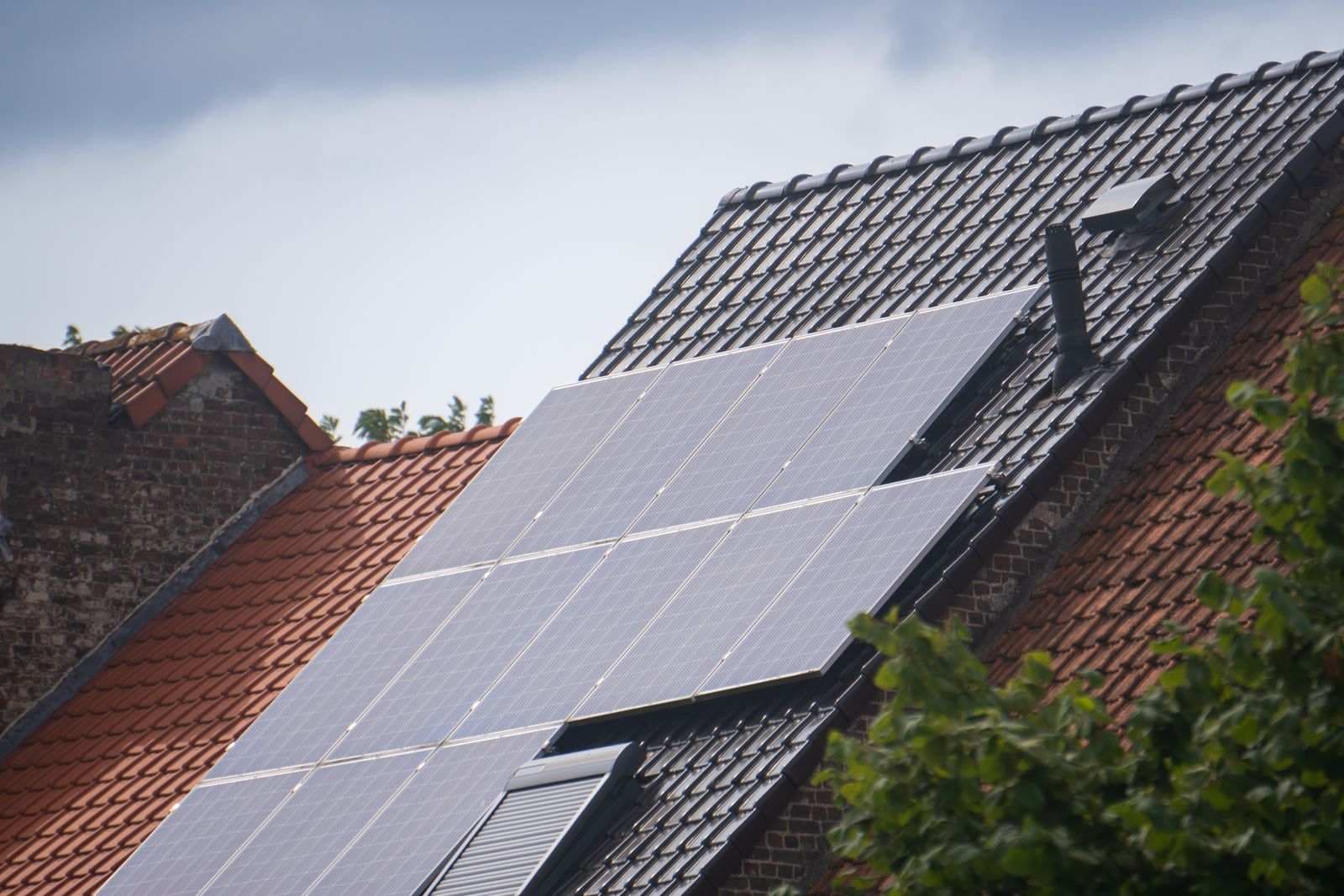
- Terra-Gen marked completion of the US$950 million Lockhart Solar and Storage complex in San Bernardino County, California, on November 10, 2026.
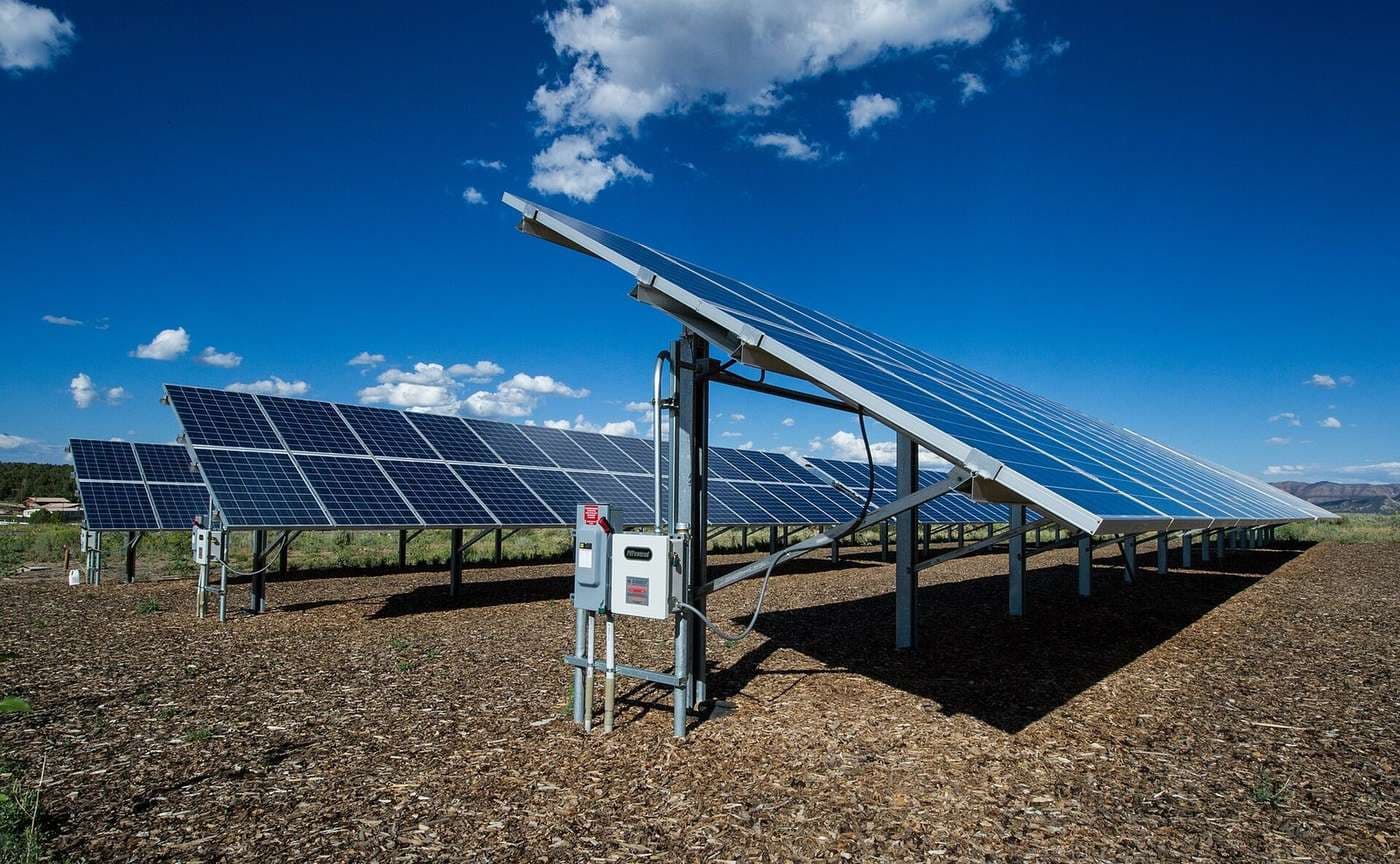
- The complex pairs 365 MW of solar with 173.7 MW of battery storage, with more than 925,000 modules spread across about 4,000 acres.
- Joule Post’s arithmetic puts the build at about US$1.76 million per MW of combined capacity, well above the global solar-only benchmark.
The build cost roughly two and a half times the global average for solar alone, at US$1.76 million per MW of combined capacity. The International Renewable Energy Agency puts the 2024 global weighted average installed cost of utility-scale solar at US$691 per kW, which would price the panels here at US$252 million. The balance covers battery hardware, land, transmission, labour and financing across a build lasting four years, where construction costs run far above the China-weighted global average.
Lockhart solar storage project by the numbers
Terra-Gen celebrated the completion of the project with a ribbon-cutting ceremony at its Hinkley facility in San Bernardino County on November 10, 2026, bringing together company staff, local and state officials, lenders, partners and customers. The event marked the end of a four-phase build, not the start of one. The final phase, the 80 MW Lockhart IV solar project, reached commercial operation on July 14, 2026, and the November ceremony closed out the full complex.
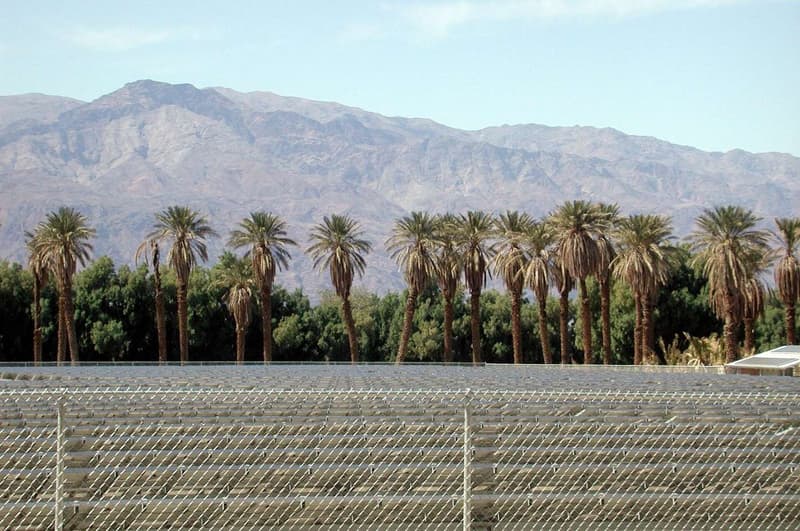
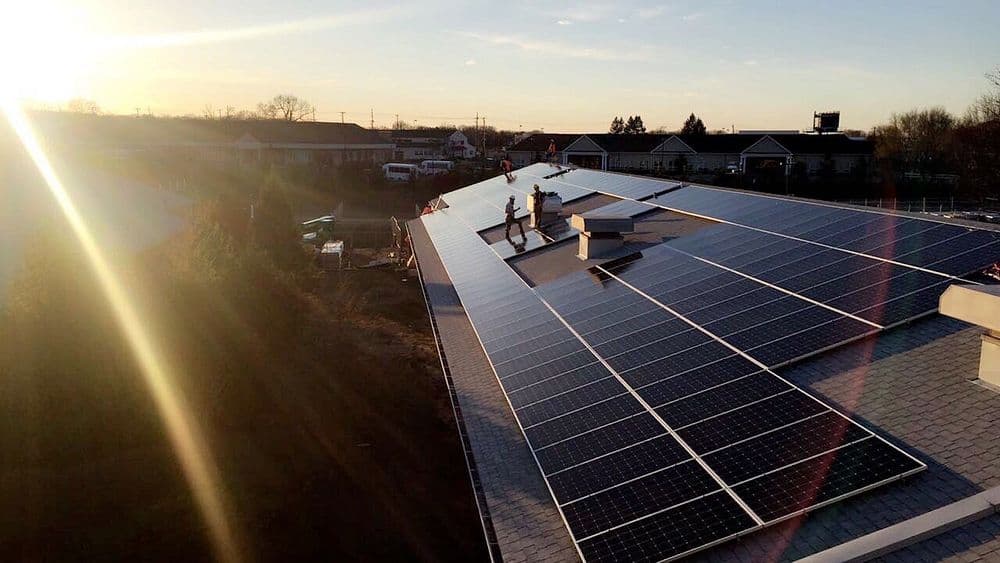
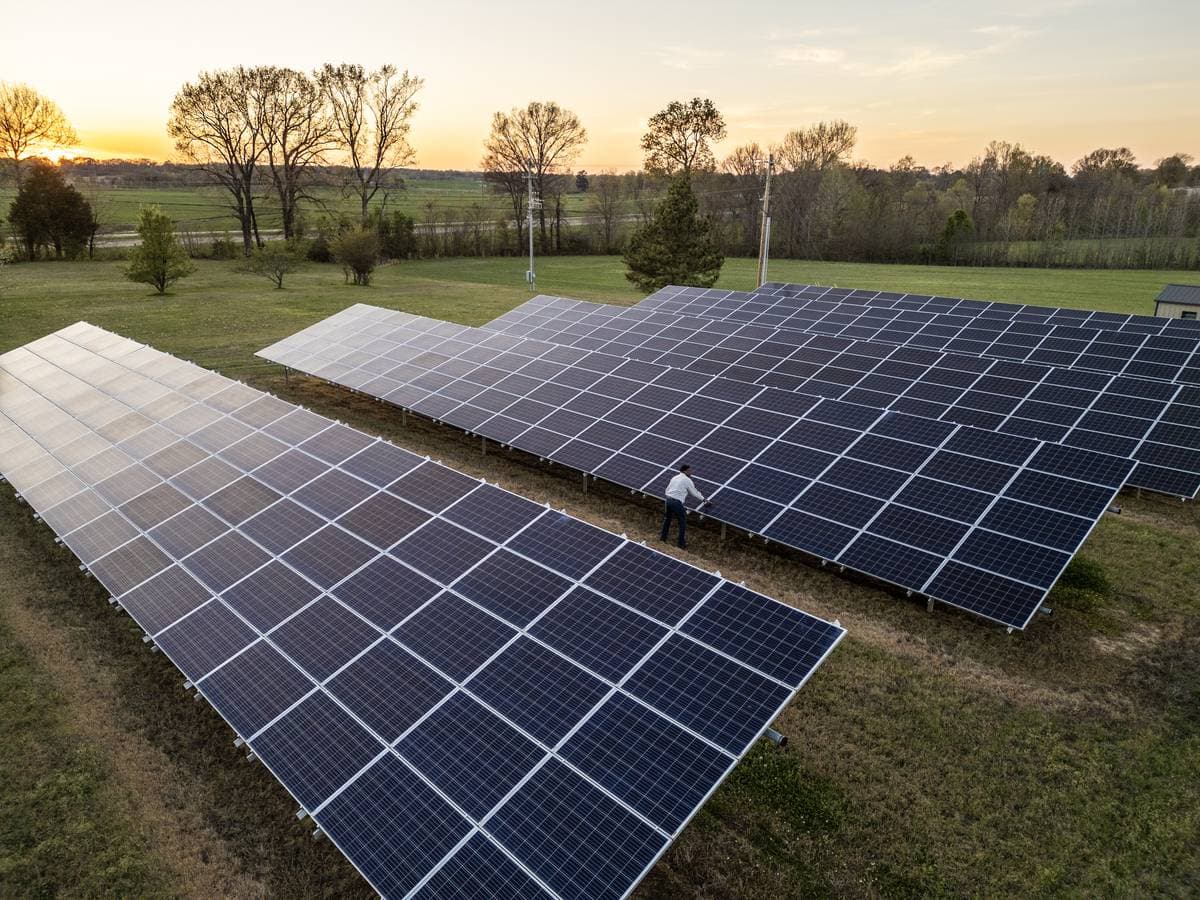
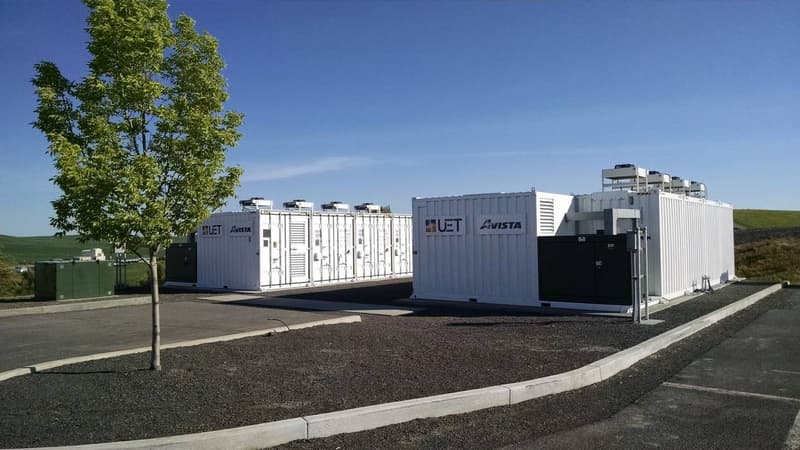
The finished complex combines 365 MW of solar generation with 173.7 MW of battery storage, a total of 538.7 MW of nameplate capacity. Terra-Gen says the facility can meet the annual energy needs of about 350,000 homes and businesses. The site holds more than 925,000 solar modules and 248 battery enclosures on approximately 4,000 acres of private land, and it connects to the grid through an existing gen-tie line to Southern California Edison’s Kramer Junction Substation.
| Figure | Lockhart Solar and Storage |
|---|---|
| Total investment | US$950 million |
| Solar capacity | 365 MW |
| Battery storage capacity | 173.7 MW |
| Combined nameplate capacity | 538.7 MW |
| Solar modules | More than 925,000 |
| Battery enclosures | 248 |
| Site area | About 4,000 acres of private land |
| Homes and businesses served per year | About 350,000 |
| On-site construction jobs | More than 1,000 |
| Construction hours worked | 880,000 over four years |
| Expected property tax revenue | More than US$40 million over the operating life |
Construction created more than 1,000 on-site jobs and 880,000 hours of work over four years, according to Terra-Gen. The company expects the facility to generate more than US$40 million in property tax revenue over its operating life, plus additional contributions to the local community. Cupertino Electric served as the balance-of-plant engineering, procurement and construction contractor, EPC Services handled high-voltage work, First Solar supplied the modules and Nextpower supplied the tracking systems.
What US$1.76 million per MW buys at Lockhart
The headline cost invites a direct comparison, and the comparison is instructive if its limits are stated plainly. Dividing the US$950 million total by 538.7 MW of combined capacity gives about US$1.76 million per MW. The International Renewable Energy Agency’s 2024 global weighted average installed cost for utility-scale solar alone is US$691 per kW, or about US$0.69 million per MW. On that basis the solar portion of Lockhart would cost about US$252 million at global average prices, leaving about US$698 million for the battery system, land, grid connection, labour and financing.
That gap is not evidence of overspending. Global averages are pulled down by Chinese projects built at very different labour and land costs, while Lockhart is a four-year California build with 173.7 MW of storage attached. One figure the release does not give is the battery’s energy capacity: Terra-Gen states storage as 173.7 MW of power, without a megawatt-hour figure, so the battery’s duration and its cost per kWh cannot be derived from the announcement. The comparison that can be made is on homes. Terra-Gen’s figure of about 350,000 homes and businesses works out to roughly 650 per MW of combined nameplate capacity, or about 960 per MW of solar alone, by Joule Post’s arithmetic. Lockhart IV on its own was rated at 80 MW for about 40,000 homes, or 500 per MW, which reflects the different scope of a single phase against the whole complex.
The cost benchmark that matters most to buyers is the levelised one. The International Renewable Energy Agency puts the 2024 global weighted average levelised cost of utility-scale solar at US$0.043 per kWh, and found that 91% of newly commissioned utility-scale renewable capacity in 2024 delivered power more cheaply than the cheapest new fossil-fuel alternative. Lockhart’s own economics sit inside power purchase agreements rather than a published tariff, so no per-kWh price can be checked against that benchmark from the release.
How Lockhart IV closed the four-phase build
Lockhart IV, the 80 MW final phase, reached commercial operation on July 14, 2026, under a long-term power purchase agreement with a California load-serving entity. Terra-Gen says the phase will supply enough electricity for about 40,000 homes and businesses a year. Cupertino Electric served as the engineering, procurement and construction contractor for the phase, and the project uses the existing gen-tie line to Southern California Edison’s Kramer Junction Substation.
The wider complex sells its output through a mix of corporate offtake agreements and long-term power purchase agreements with California load-serving entities. That mix matters because it spreads revenue across buyers rather than tying the whole site to a single contract. Terra-Gen’s chief executive, John O’Connor, said: “Solar is one of the most economical sources of new electricity, and storage extends its value by making that energy available when it’s needed most. At the scale of our Lockhart facility, that combination can make a meaningful difference for California’s growing electricity needs.” Simon Day, vice president and head of solar development at Terra-Gen, added: “Their commitment to delivering the project on schedule and on budget while maintaining a strong focus on safety made this milestone possible.”
What 173.7 MW of storage buys California at sunset
The storage is the part of Lockhart that changes what the solar can do. Solar panels stop producing as evening demand rises, and 173.7 MW of batteries lets the site hold midday output and release it into the hours when California’s grid is tightest. The release does not state how many hours the batteries can sustain that output, so the evening coverage cannot be quantified from the announcement, but the direction is clear: the complex was built as a paired solar and storage asset, with offtake split between corporate buyers and California load-serving entities that need power after sunset.
Lockhart also shows the scale at which Terra-Gen now operates. The company, jointly owned by Masdar and Igneo Infrastructure Partners, runs a gross operating portfolio of 4.4 GW of wind, solar and battery storage across 34 renewable power sites in the United States, including 5.6 GWh of energy storage. Igneo manages US$34.7 billion in direct infrastructure assets. For readers weighing storage options at any scale, the cost drivers are the same ones behind Lockhart’s price tag: the battery hardware, the power electronics and the grid connection. Our Tesla Megapack cost and capacity guide breaks down what large batteries cost per kWh, our battery energy storage guide explains how grid batteries shift solar output into the evening, and our guide to how solar panels work covers the panel technology behind the 925,000 modules at Lockhart.
Sources
- Terra-Gen celebrates commercial operation of $950 million Lockhart Solar and Storage project, Terra-Gen via PR Newswire, November 10, 2026
- Lockhart Solar PV IV Project Reaches Commercial Operations, Expanding Total Facility Capacity to More than 530 MW, Terra-Gen, July 14, 2026
- Renewable Power Generation Costs in 2024, executive summary, International Renewable Energy Agency, July 2025