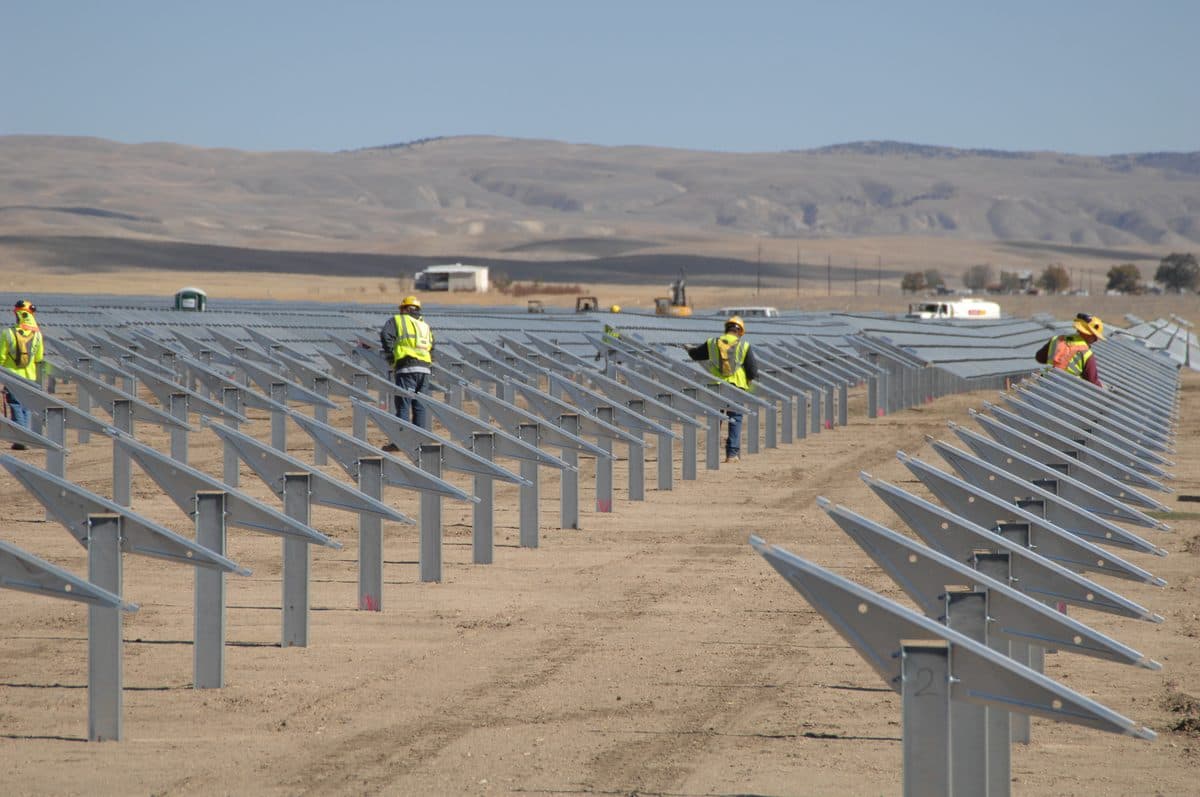
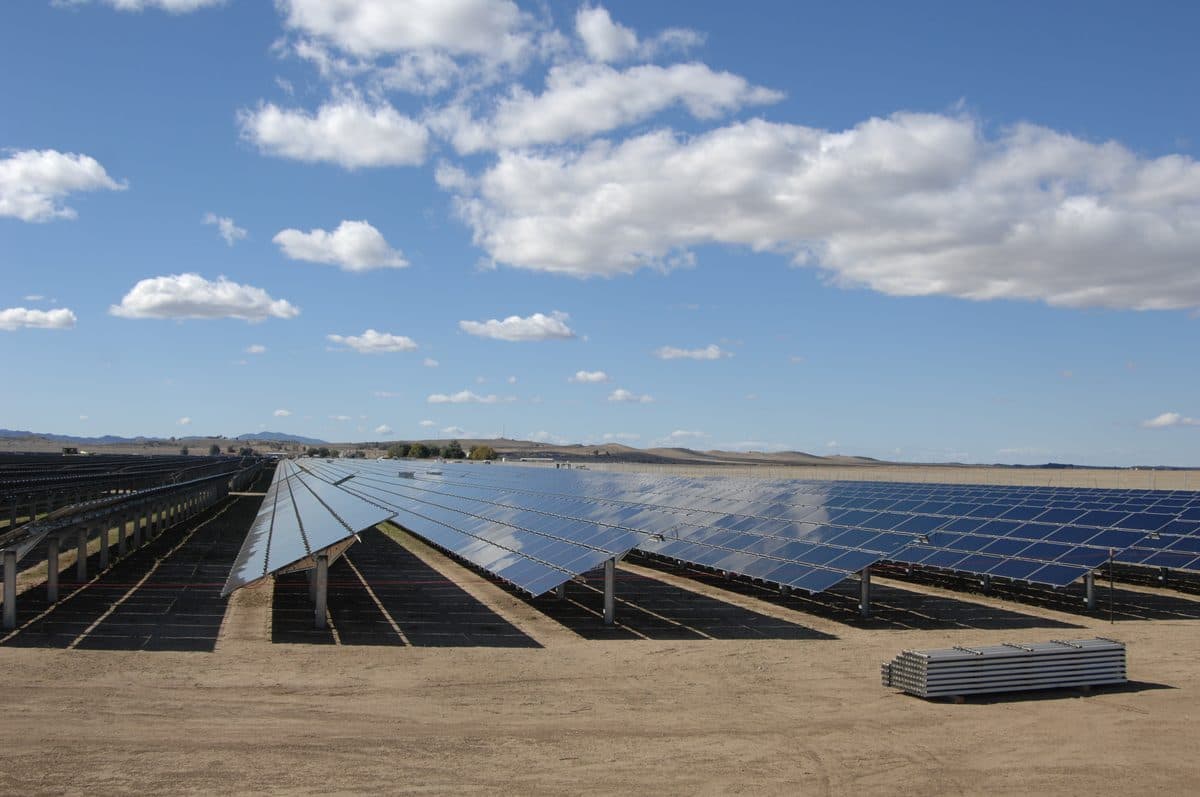
- Türkiye awarded 785 MW of solar capacity across 11 projects under the YEKA GES-2026 tender, announced on 4 November 2026.
- Winners sell power on the open market for 60 months, then receive a fixed tariff of €0.0325 per kWh (euros) for 20 years.
- The award covers 87 percent of the 900 MW originally planned for the round, with 44 applications from 19 companies.
Under the Türkiye YEKA solar tender, once the merchant window closes, contracted pricing takes over across two decades, and that long tail shapes lender decisions. The euro figure sits at €0.0325 per kilowatt-hour (euros); pv magazine converts it to about $0.037 per kilowatt-hour (US dollars). A developer holding a plant through that window therefore faces merchant-price exposure early, when output is highest, plus contracted revenue later, when capital costs are largely repaid. Lenders size debt against contracted cash flows, so the length of the contracted tail matters more to financing structure than the merchant window itself.
Türkiye’s Ministry of Energy and Natural Resources announced the results of the YEKA GES-2026 solar tender on 4 November 2026, according to pv magazine. The tender awarded 785 MW across 11 projects, and winning bidders committed approximately €37.9 million in contribution payments (euros), including value-added tax. The tender forms part of Türkiye’s Renewable Energy Resource Areas programme, known as YEKA, which aims to accelerate renewable deployment and attract private investment into the electricity sector.
The Türkiye YEKA solar tender in numbers
Simple division of the headline figures gives the shape of the round. The 785 MW total across 11 projects averages 71.4 MW per project, and the €37.9 million in contribution payments (euros) averages €48,280 per megawatt (euros) across the awarded capacity, as Joule Post arithmetic from the reported totals. Project sizes in the original plan ranged from 25 MW to 230 MW across nine provinces, so the average hides a wide spread, from small regional plants to utility-scale sites more than three times the average.
The award also fell short of the original plan. The government launched the YEKA GES-2026 round in July 2026 intending to allocate 900 MW across 14 solar projects, alongside 1.5 GW of wind capacity. Awarding 785 MW covers 87.2 percent of the planned solar capacity, and 11 projects cover 78.6 percent of the planned project count, by Joule Post arithmetic. Pv magazine does not report a reason for the shortfall in the article, and a reader should not assume one: some planned capacity may have drawn no qualifying bid, some bids may have failed on price or qualification, and some capacity may return in a later round.
Competition for the round was thinner than in earlier YEKA rounds. The 2026 round drew 44 applications from 19 companies, or four applications per awarded project on average. That ratio looks modest beside the February 2025 YEKA GES-2024 tender, which drew 146 applications from 67 companies for 800 MW across six projects, and beside the November 2025 tender, which drew 77 applications from 38 companies for 650 MW across eight projects. Fewer applications per megawatt can reflect tighter qualification, less attractive terms, or a market that has already absorbed the most eager developers, and the reported figures alone do not distinguish those explanations.
| YEKA solar tender | Capacity awarded | Projects | Applications / companies | Final price |
|---|---|---|---|---|
| GES-2024, February 2025 | 800 MW | 6 | 146 / 67 | $0.0325 per kWh (US dollars) |
| November 2025 | 650 MW | 8 | 77 / 38 | Not reported in the tender summary |
| GES-2026, November 2026 | 785 MW | 11 | 44 / 19 | €0.0325 per kWh (euros), about $0.037 (US dollars) |
The price comparison across rounds needs a currency warning. The February 2025 final price was $0.0325 per kilowatt-hour in US dollars, while the November 2026 tariff is €0.0325 per kilowatt-hour in euros, which pv magazine converts to about $0.037 in US dollars. The two figures share the digits 0.0325 and differ in currency, so they are close in value without being identical, and any claim that the price held flat across the two rounds would need an exchange-rate comparison on a stated date rather than a digit match.
How the five-year merchant period changes project risk
A five-year merchant period followed by a 20-year fixed tariff gives developers an early window to capture market prices and a long tail of contracted revenue. Solar plants earn most when daytime prices are strong, and a merchant window lets a developer benefit if power prices rise with demand growth or with the retirement of older plants. The risk runs the other way too: if daytime solar output grows faster than demand, midday prices can fall as more solar floods the same hours, and a plant locked into merchant sales for its first five years bears that price shape directly.
The 20-year fixed tariff that follows changes the financing maths for lenders. A contracted price for two decades after the merchant window gives a lender a long, visible revenue stream against which to size debt, even though the plant will be five years older when the fixed period starts. For the state, the structure defers the cost of price support into the period when the plant’s capital cost is largely repaid, which can lower the total support needed compared with a fixed tariff from day one, at the cost of leaving early-year revenue uncertain for developers.
Contribution payments add a second revenue line for the state. Winning bidders committed approximately €37.9 million (euros) in total, which functions as an upfront payment for the right to build under the tender terms. Spread across 785 MW, that payment equals about €48,280 per megawatt (euros), a modest figure beside the capital cost of building a solar plant, and it suggests bidders priced the tender terms as workable rather than as a licence to print money. The payment also means the state captures some value upfront, before a single kilowatt-hour is generated.
Türkiye solar growth against the 2035 target
The award lands in a market that added about 4.7 GW of solar capacity in 2025, taking cumulative installations to 24.8 GW by year-end according to transmission system operator TEİAŞ, as reported by pv magazine. Against that base, the new 785 MW award equals 3.2 percent of cumulative solar capacity by simple division, a single tender round rather than a market transformation. Türkiye targets 120 GW of combined solar and wind capacity by 2035, supported by recurring tenders and continued investment, so the path to that target needs many rounds of this size, plus the wind capacity that YEKA tenders also cover.
The November 2025 tender adds a technology note worth watching. That round included Türkiye’s first floating solar project, a 35 MW installation planned at the Demirköprü hydropower reservoir in Manisa province. Floating solar pairs panels with an existing reservoir, saving land and gaining a cooling effect from the water, and a first project of that kind in a national tender signals that later rounds may treat reservoirs as a distinct site class. How solar panels convert light to power, and why panel placement matters for output, is covered in Joule Post’s solar explainer: How Solar Panels Work. Readers sizing a home system rather than a utility plant can use the 50-state panel-count data in the companion guide: How Many Solar Panels Do You Need?.
What to watch next is delivery, not announcement. Tender awards become generation only when projects reach financial close, construction and grid connection, and the YEKA structure gives developers a merchant window in which to arrange that financing. The next data points that matter are the project list with locations and sizes, the financing announcements for the larger sites, and the construction starts that turn an awarded megawatt into an operating megawatt. Until those arrive, 785 MW is best read as awarded capacity with a price structure attached, rather than as new generation on the grid.
Sources: