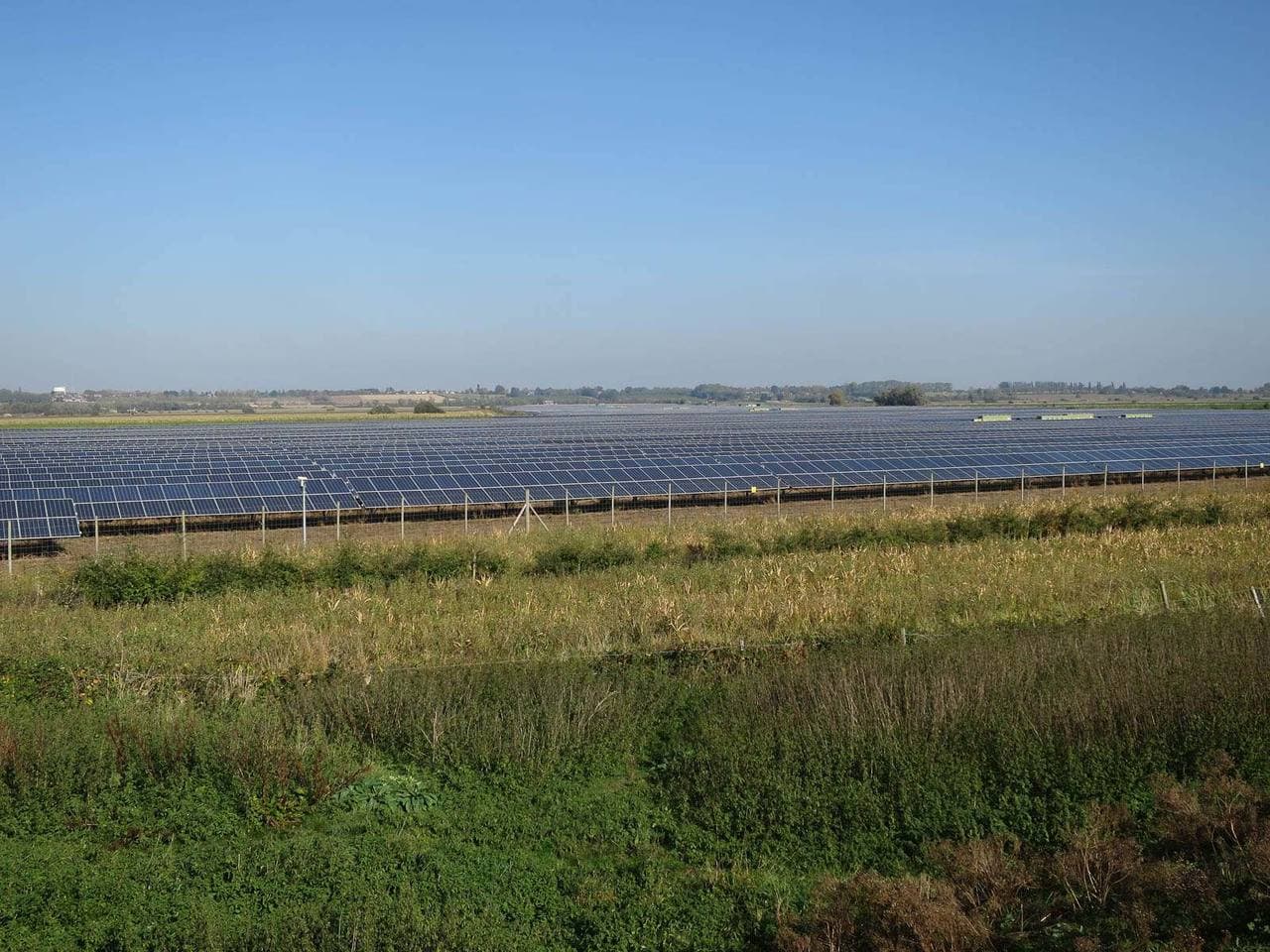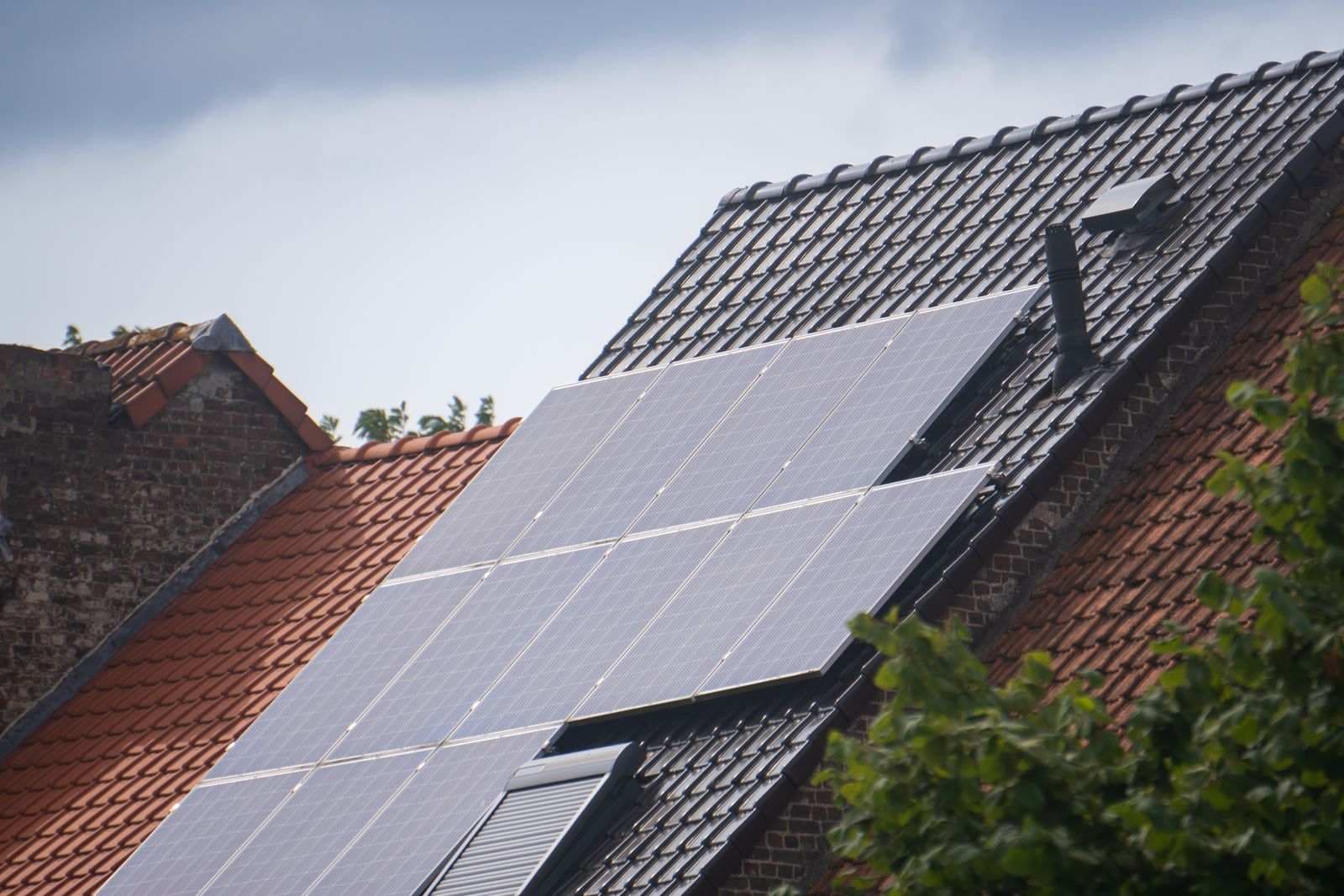
- Qcells US-made solar frames: new versions of its Q.TRON AC and Q.PEAK DUO AC home solar panels will ship with American-made aluminum frames by the end of 2026, produced by ALUKO Group’s Tennessee plant.
- The Tennessee facility will reach full production this year with enough frame capacity for 4 GW of modules annually, nearly matching the entire U.S. residential solar market’s 2025 installation volume.
- The move is aimed at helping installers qualify for the 10% Investment Tax Credit domestic content bonus as the threshold steps toward 55% for projects starting construction in 2027.
The aluminum rim around a solar panel rarely makes headlines. That rim is becoming one of the most consequential components in American solar, because Qcells US-made solar frames could be the piece that lets residential installers keep claiming a 10% federal tax bonus as the domestic content bar climbs to 55% next year. The most expensive part of a panel is no longer the silicon: analysts at SinoLink Securities found that aluminum frames now account for 14% of total module production costs, more than glass, silver paste, or polysilicon. Whoever can stamp that 14% as American-made holds a real card in the domestic content game.
Qcells announced the play this week. New versions of its Q.TRON AC and Q.PEAK DUO AC residential panel lines will ship with frames extruded, anodized, and fabricated at ALUKO Group’s integrated facility in Halls, Tennessee, with the updated lineup targeted for launch by the end of 2026. The frames are intended to help residential installers and third-party-ownership (TPO) providers qualify for the Investment Tax Credit domestic content bonus adder, according to reporting by pv magazine USA and pv magazine.
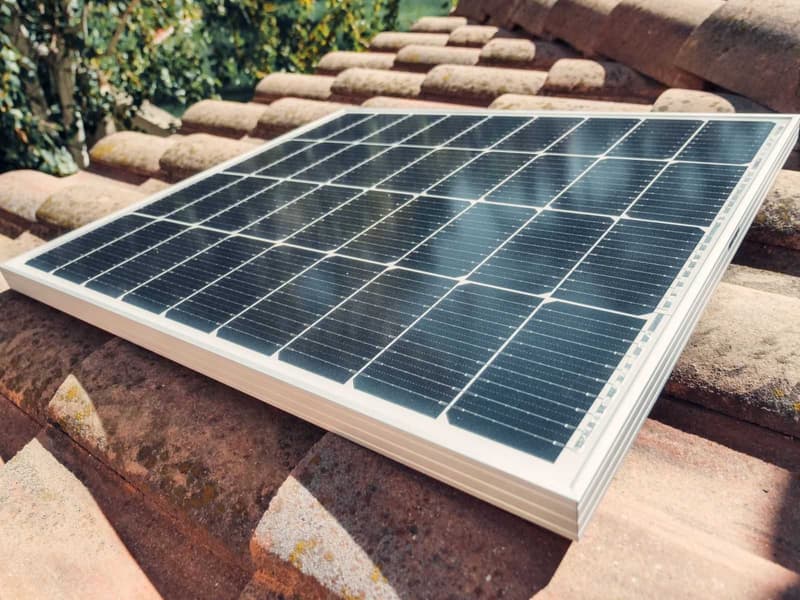
4 GW of frames against a 4.6 GW market
To grasp the scale, put ALUKO’s number next to the market’s. The Tennessee plant will have annual capacity to manufacture enough frames for 4 GW of solar modules. The U.S. residential segment installed about 4.6 GWdc of new capacity in 2025, according to the SEIA and Wood Mackenzie year-in-review report covered by Solar Builder. In other words, one factory in Lauderdale County is being tooled to frame nearly the entire annual output of America’s home-solar market, and to do it domestically.
That framing matters because of where the money sits. As SinoLink’s figures show, the frame became the single largest cost component in panel manufacturing by late 2024, at 14% of production costs, ahead of packaging glass at 13.4%, silver paste at 11.6%, and polysilicon at just 9.9%. When the domestic content threshold steps toward 55% for clean-energy projects commencing construction in 2027, installers hunting for domestic share will find that the heaviest lever on the module is the metal border around it, the part nobody used to talk about. A U.S.-made frame moves a meaningful slice of each module’s cost into the domestic column at the exact moment the rules get stricter.
| Figure | Value |
|---|---|
| ALUKO Tennessee frame capacity | Frames for 4 GW of modules per year |
| U.S. residential solar installed in 2025 | 4.6 GWdc |
| Aluminum frame share of module production cost | 14% |
| Packaging glass share of module production cost | 13.4% |
| Silver paste share of module production cost | 11.6% |
| Polysilicon share of module production cost | 9.9% |
| ITC domestic content bonus | 10% |
| Domestic content threshold, projects starting construction in 2027 | 55% |
There is a second, quieter reason this is significant. Qcells said keeping extrusion, anodization, and fabrication all inside the United States gives installers and financing partners clearer compliance documentation. ALUKO operates what it describes as the only U.S. facility performing all three major frame production steps under one roof. Under the Treasury Department’s domestic content guidance, a component that crosses borders between manufacturing steps raises awkward sourcing questions; a frame that never leaves one Tennessee building answers them before they are asked. That certainty has real value in a tax credit with a bonus attached.
Qcells US-made solar frames and the solar domestic content bonus 2027 threshold
The timing is not accidental. The domestic frame offering lands just as the solar domestic content bonus 2027 threshold tightens: projects commencing construction in 2027 must meet 55% domestic content to keep qualifying for the 10% bonus. Qcells noted that localizing all three core frame steps gives customers “greater clarity” when evaluating compliance, and its residential chief was blunt about the motivation.
“Through this partnership to produce modules with domestic frames, we are furthering our commitment to U.S. manufacturing, supporting clean, affordable energy and giving our customers the certainty they need to qualify projects for the domestic content bonus,” said Il Hyeong No, head of Qcells North America’s residential business.
The strategy fits a market that has tilted toward third-party ownership. With the homeowner credit gone and the commercial credit claimed by system owners under lease and PPA structures, TPO providers are the buyers whose volume moves factories, and the bonus is worth 10 percentage points of credit on every qualifying project. For installers working on thin margins, that bonus is the difference between a competitive quote and an uncompetitive one.
A Tennessee supply chain, end to end
The Aluko Tennessee solar panel frames plant in Lauderdale County is expected to reach full commercial production by the end of 2026. ALUKO plans to invest more than $107 million into the facility over five years, creating 285 full-time jobs, a notable employment footprint for a single-component factory.
“By carrying out extrusion, anodizing, and fabrication here in the United States, we are delivering a product that offers transparency and confidence at every step of the process,” said Jinwoo Park, president of ALUKO Group.
For Qcells, the partnership extends a domestic manufacturing push already anchored at its vertically integrated operations in Dalton and Cartersville, Georgia, where the company runs large-scale module and component assembly. The Tennessee deal fills a conspicuous gap: cells and modules have attracted most of the reshoring attention, while frames, now the costliest component, lagged behind.
The reshoring cluster is filling in
Qcells is not moving alone. Heliene’s “fully American” rooftop panel, backed by a Sunrun purchase agreement, showed the silicon-to-cell chain reassembling domestically; Stewart Glass’s Ohio facility brought solar glass back to the U.S. this spring. The ALUKO deal addresses the component most installers took for granted, the one whose 14% cost share now carries the most domestic-content weight per dollar.
The open question is price. American aluminum processing costs more than its Southeast Asian equivalent, and the premium has to land somewhere: in tariff avoidance, in manufacturing credits, or in the bonus itself. Qcells is betting that with the 55% threshold approaching, the 10% credit adder makes the math work. If it does, a strip of Tennessee aluminum could become the most valuable rim in the U.S. residential market.