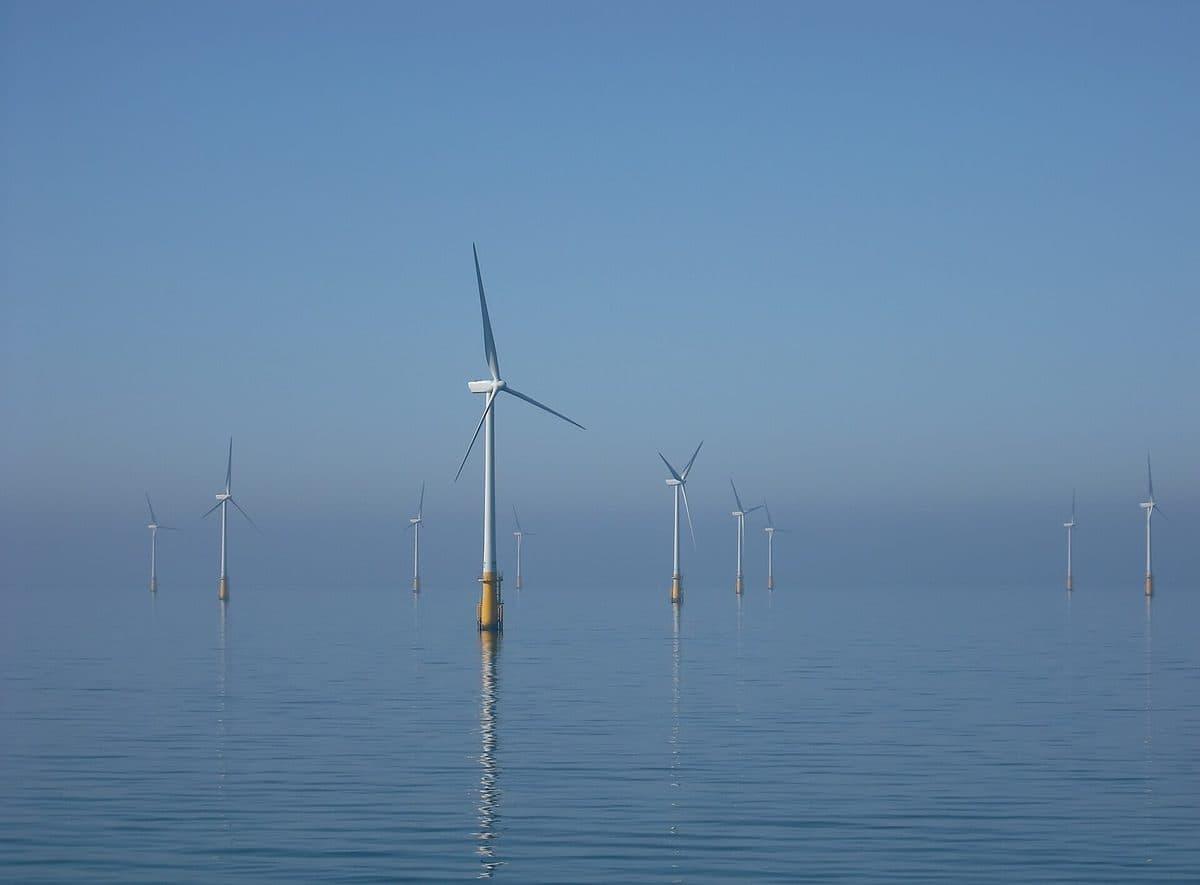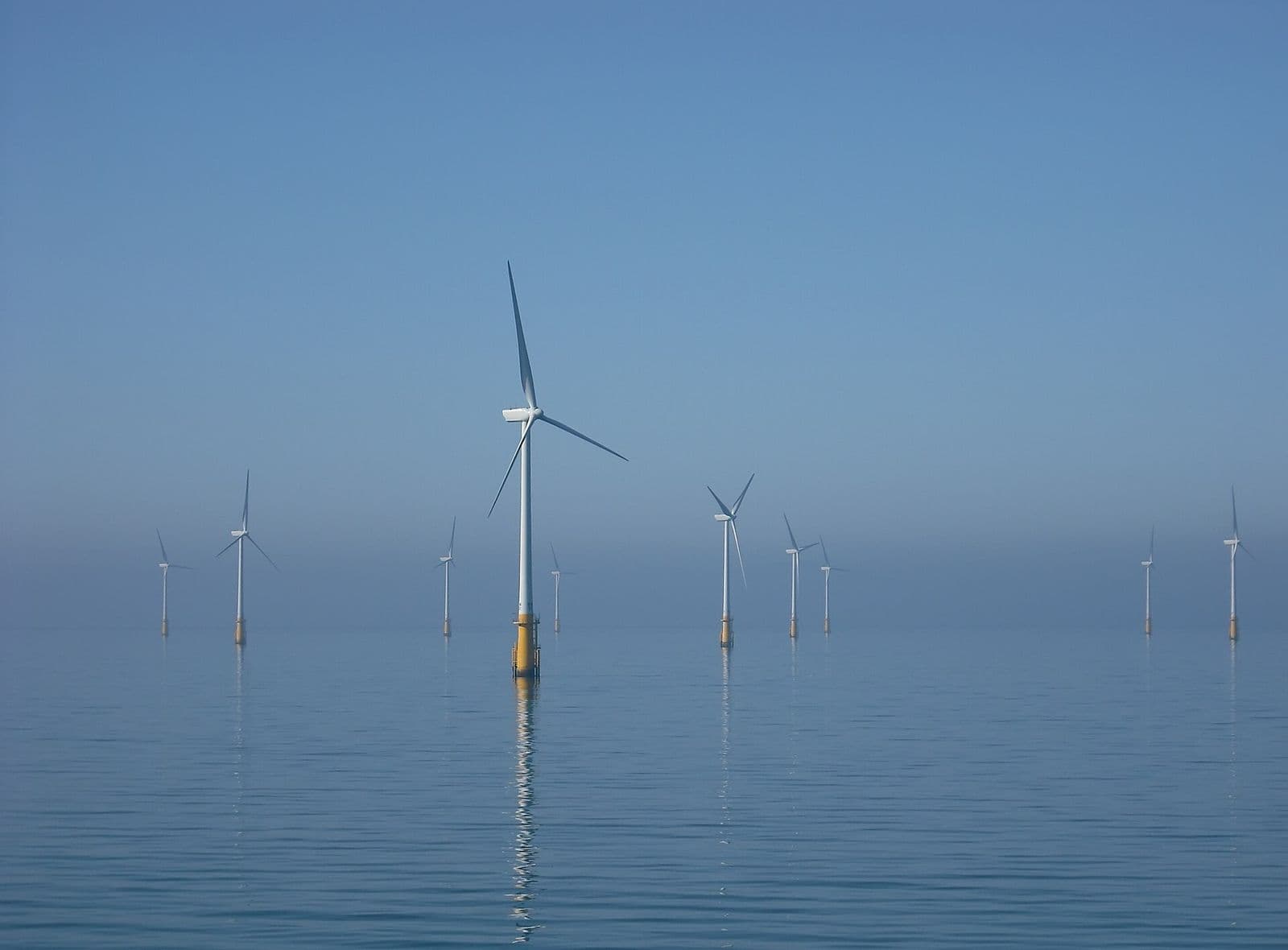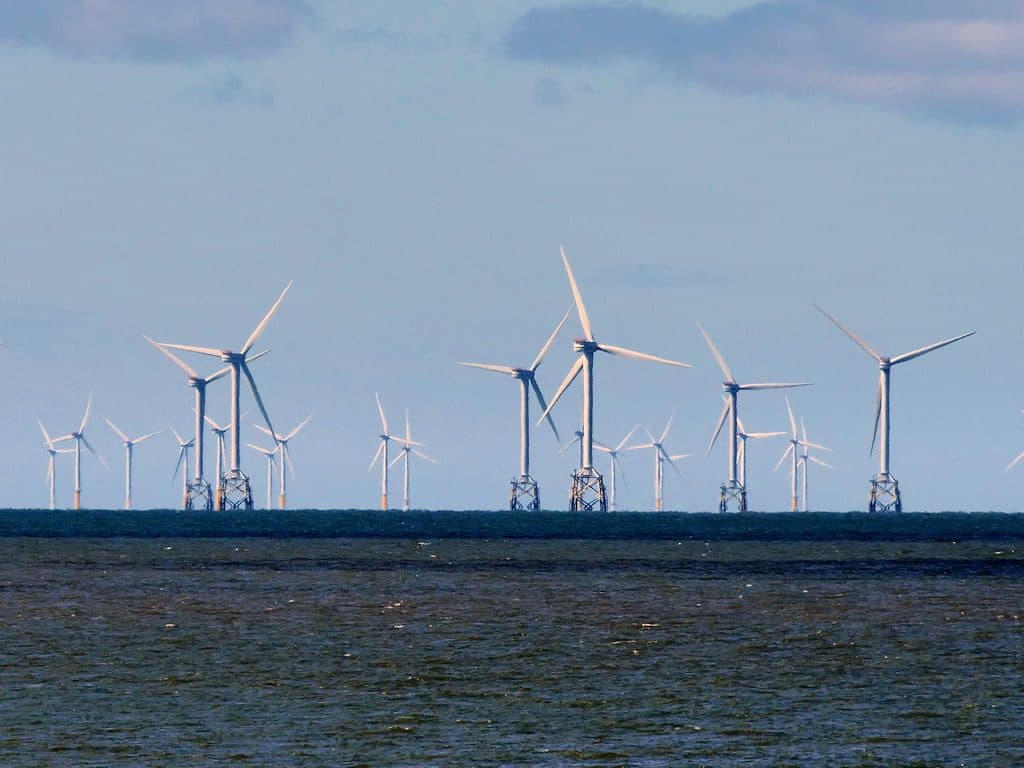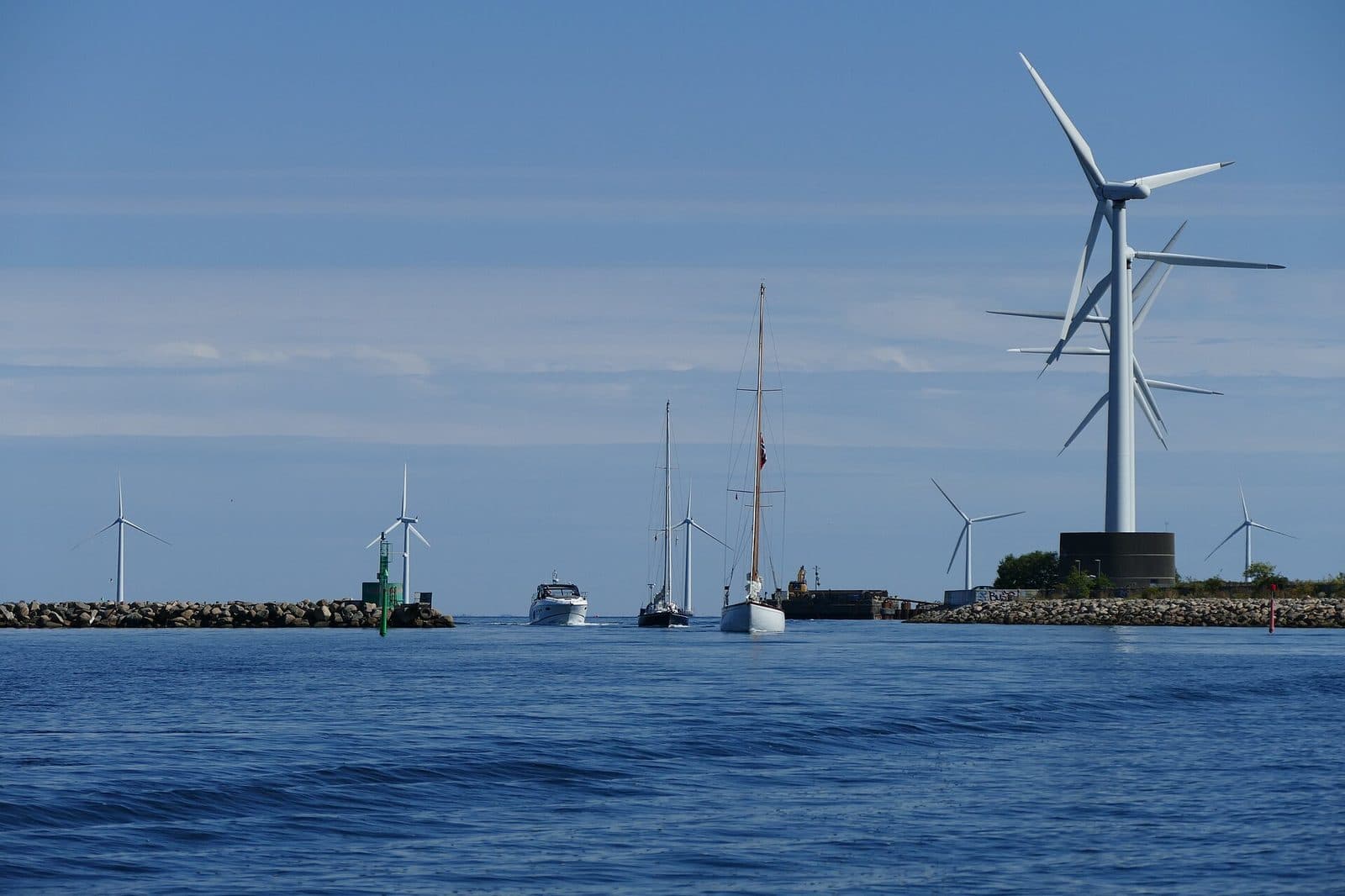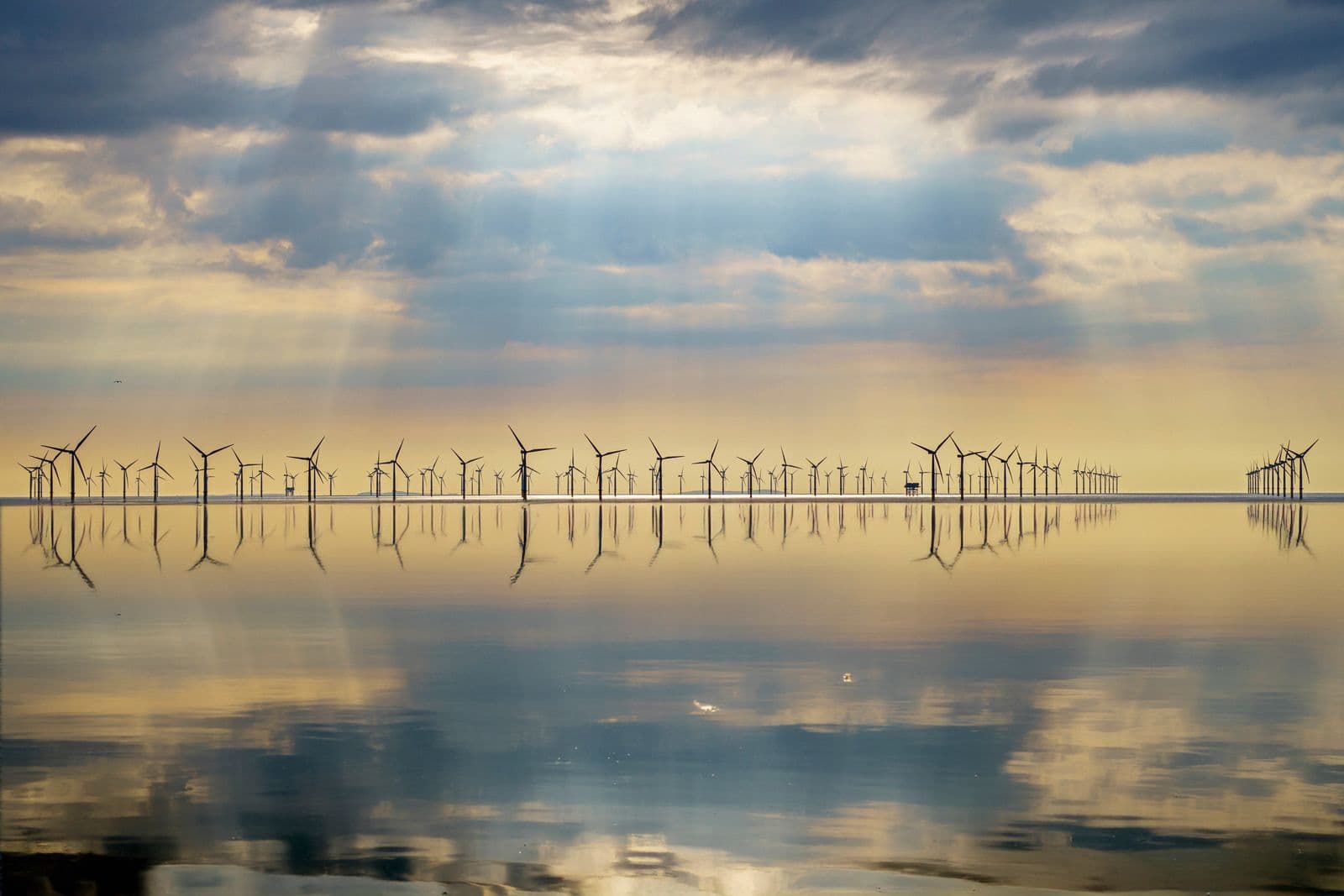
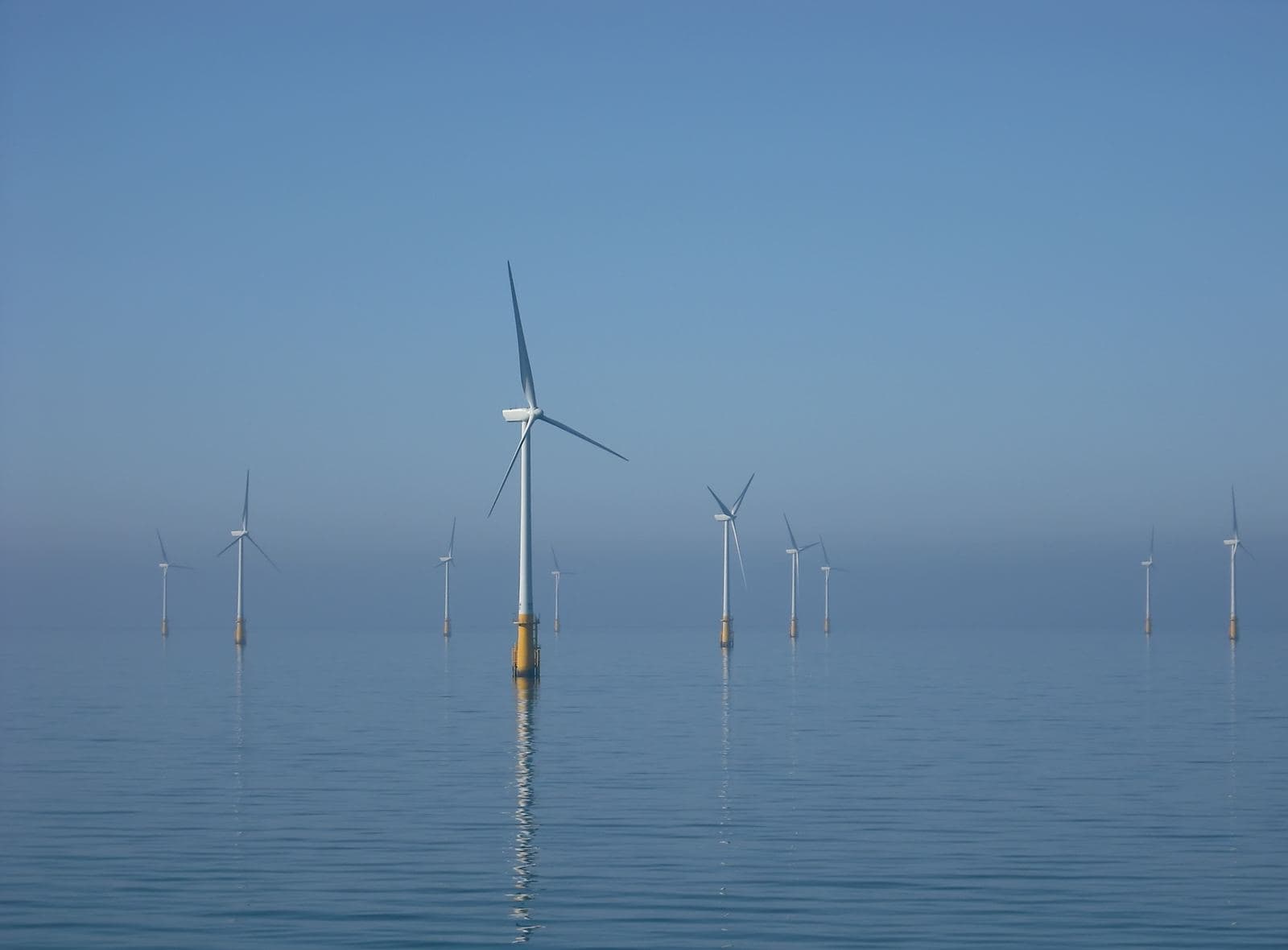
- Vattenfall and Copenhagen Infrastructure Partners selected Siemens Gamesa to supply 69 turbines for Phase I of the Zeevonk offshore wind farm off the Dutch coast.
- Each SG 15-236 turbine is rated at 15 MW, giving Phase I just over 1 GW of capacity from 69 machines.
- Manufacturing is planned for 2028 and installation for 2029, subject to a final investment decision.
The deal, announced on November 18, 2026, also locks in the project’s two largest contracts. Alongside the turbine supply agreement, Siemens Gamesa signed a service and warranty agreement covering long-term maintenance, full operational support and ongoing monitoring. Felix Pahl, a partner at Copenhagen Infrastructure Partners, said the two agreements mean the project now has its construction-phase supplier contracts in place and is moving decisively towards a final investment decision.
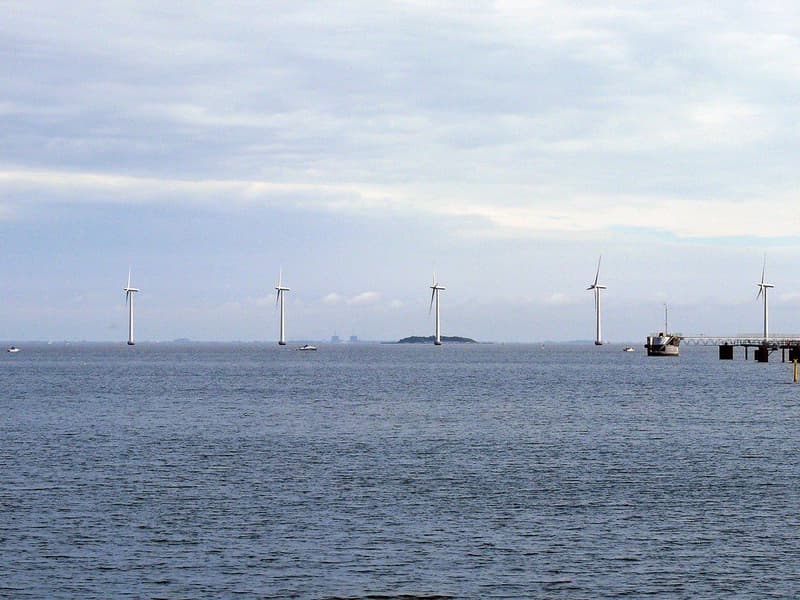
Zeevonk is co-owned by Vattenfall and Copenhagen Infrastructure Partners through the latter’s Energy Transition Fund I. The full project covers 196 square kilometres of the Dutch North Sea, 63 to 84 kilometres off the coast. Phase I will deliver around 1 GW of offshore wind capacity. Phase II follows in 2032, adding another 1 GW of wind and 500 MW of system integration capacity.
69 turbines of 15 MW, each sweeping 44,000 square metres
The turbines are Siemens Gamesa’s SG 15-236 model, built on the company’s Direct Drive technology. Each unit has a nominal capacity of 15 MW, with a power boost option up to 15.5 MW. Sixty-nine units at 15 MW add up to 1,035 MW, which is the “just over 1 GW” figure in the announcement.
The dimensions explain why so few machines deliver so much power. Each turbine carries three blades 115 metres long, giving a rotor diameter of 236 metres and a swept area of 44,000 square metres. The tip height reaches 263 metres. For scale, the swept area of one Zeevonk turbine is roughly six football pitches, and the rotor alone is wider than two Boeing 747s placed nose to tail. The swept-area figure checks out against the rotor diameter: a circle 236 metres across covers about 43,700 square metres.
| Specification | SG 15-236 at Zeevonk |
|---|---|
| Turbine model | SG 15-236, Direct Drive |
| Nominal capacity | 15 MW, boostable to 15.5 MW |
| Number of turbines | 69 |
| Phase I total capacity | 1,035 MW |
| Rotor diameter | 236 metres |
| Blade length | 115 metres |
| Tip height | 263 metres |
| Swept area | 44,000 square metres |
| Manufacturing | 2028 |
| Installation | 2029 |
Fewer machines, more power: the 15 MW step up
The Zeevonk order shows how fast offshore turbine sizes have moved. The same week, B.Grimm Power started full commercial operation of South Korea’s largest single offshore wind farm, the 364.8 MW Yeonggwang Nakwol project, which uses 64 turbines rated at 5.7 MW each. Zeevonk Phase I will deliver nearly three times that capacity, 1,035 MW, from only five more machines, because each of its turbines is rated at 2.6 times the Korean units.
That ratio is the economics of the whole sector in one comparison. Larger turbines mean fewer foundations, fewer cable runs and fewer installation trips per megawatt, which is why developers keep pushing unit sizes up even as each machine gets harder to build and install. The trade-off sits in the schedule: Zeevonk’s turbines are not due to be manufactured until 2028, and serial production of the SG 15-236 is only starting that year. The project remains subject to a final investment decision, so the 2029 installation date is a plan pending that decision.
David Flood, Vattenfall’s head of offshore wind, called the turbine selection “an important step towards execution” for what he described as a large and ambitious project. The ambition is visible in the second phase as well: the 500 MW of system integration capacity planned for 2032 points to the project doing more than generating electricity, with storage or hydrogen conversion the usual candidates for that kind of capacity, though Vattenfall has not specified the form it will take.
What Zeevonk adds to the Dutch pipeline
The Netherlands has been rebuilding its offshore wind pipeline after a difficult two years for the sector, and a 1 GW project with its supply contracts signed adds real capacity to that pipeline. Phase I alone would add roughly a fifth to the Dutch offshore wind fleet’s current installed base of about 4.7 GW, according to the Netherlands Enterprise Agency (RVO). How the economics of that fleet compare with onshore wind is covered in our onshore vs offshore wind cost comparison, and the floating platforms that will open deeper water beyond fixed foundations like Zeevonk’s are covered in our explainer on floating offshore wind turbines.
The next milestone to watch is the final investment decision, which will confirm whether the 2028 manufacturing and 2029 installation dates hold. If they do, the first of the 69 turbines will be going up in the same year the Korean Hanbit project, at 340 MW, is due to start commercial operation, a useful marker for how the two markets are moving at different speeds on different turbine sizes.
Sources
- Vattenfall and Copenhagen Infrastructure Partners choose Siemens Gamesa turbines for Zeevonk offshore wind farm, Vattenfall, November 18, 2026
- B.Grimm Power Starts 364.8 MW Offshore Wind Operations In South Korea, Advances 340 MW Project, SolarQuarter, November 21, 2026
- Vattenfall and CIP select SGRE turbines for a 1 GW Dutch offshore wind project, Enerdata, November 20, 2026
- Operational wind farms in the North Sea, Netherlands Enterprise Agency (RVO), checked March 3, 2026