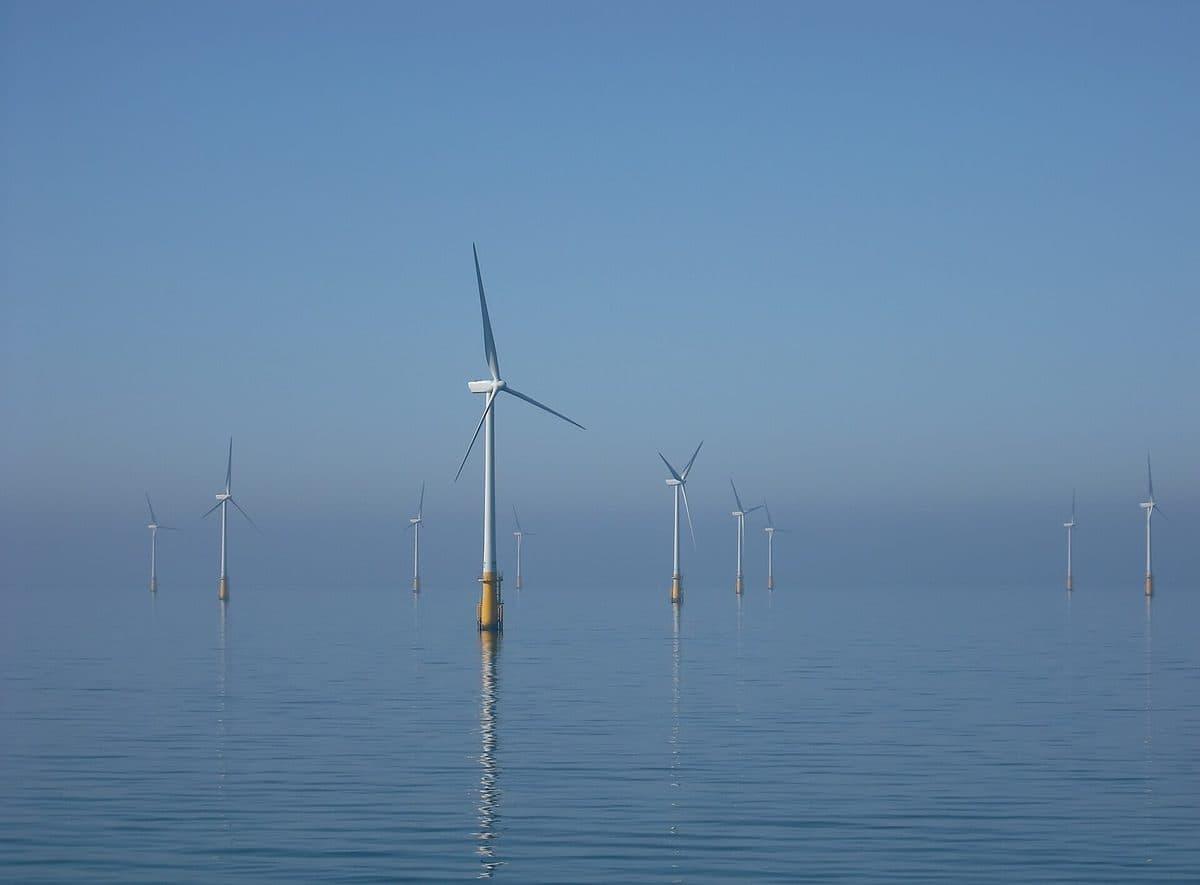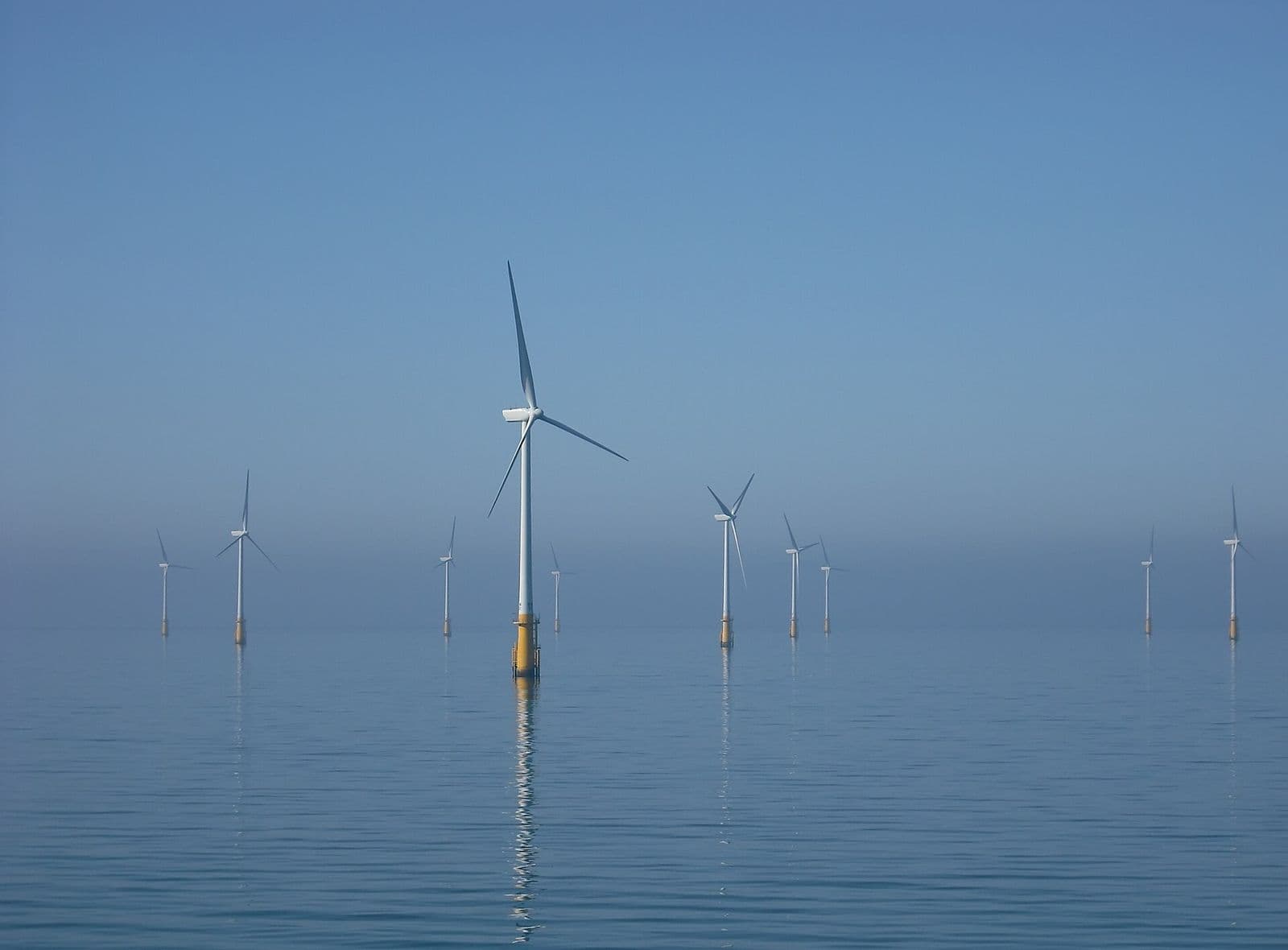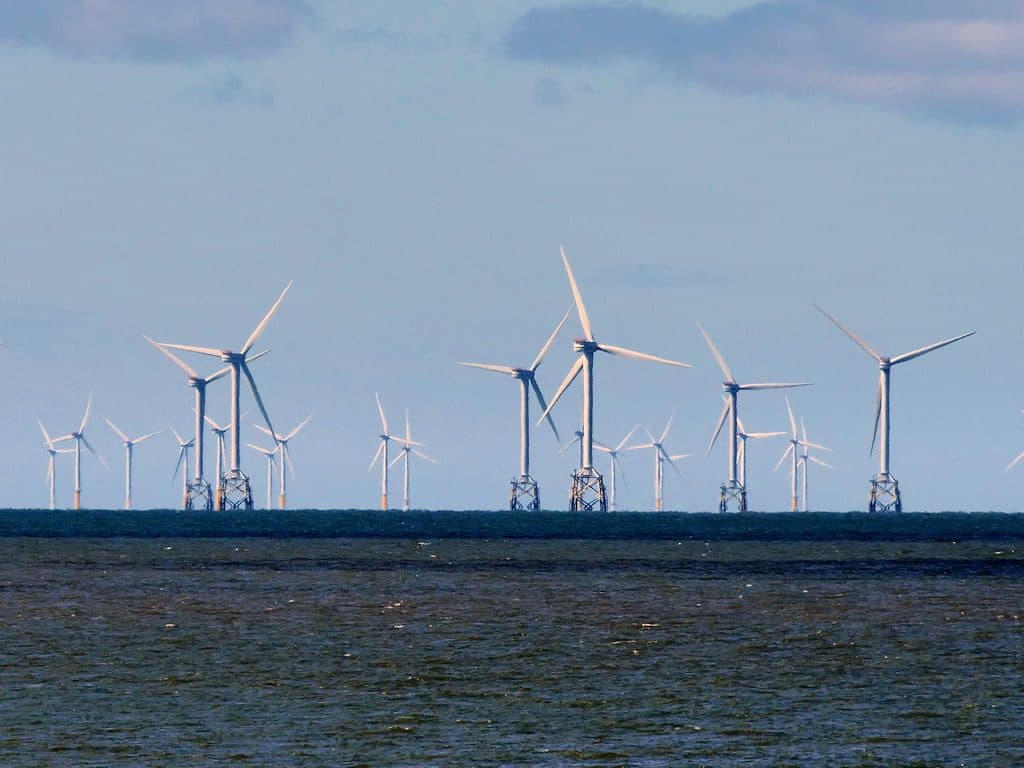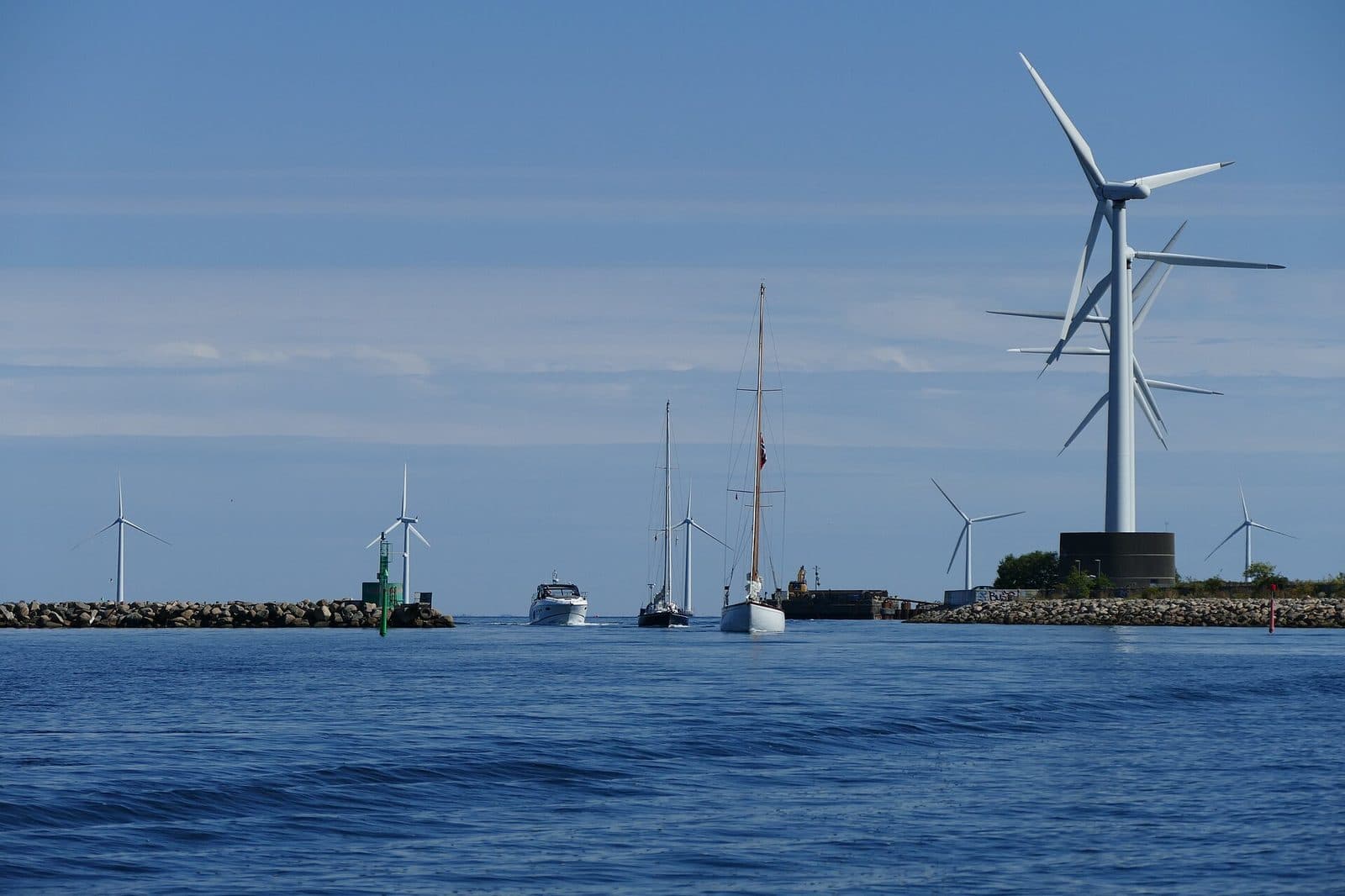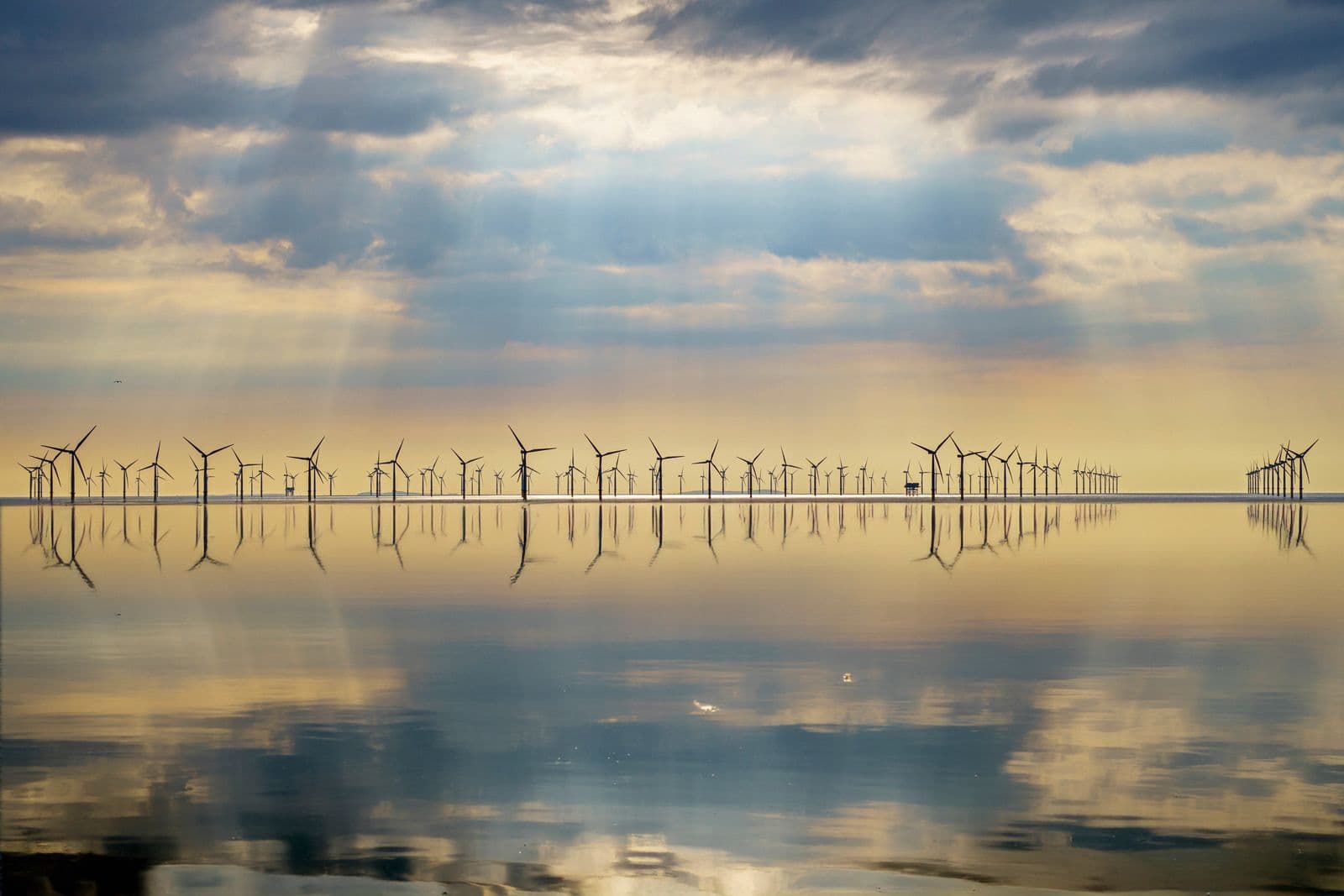
- The European Commission approved a Dutch support scheme worth up to €9.5 billion (euros) for the IJmuiden Ver Gamma-A and Gamma-B offshore wind farms, with 2 GW of combined capacity and up to 7,441 GWh of annual output from 2032.
- The money is a backstop: developers first bid to build without aid by offering the state a concession payment, and subsidies are considered only if no such bid succeeds.
- Maximum tender prices rose to €117 per MWh for Gamma-A and €116 for Gamma-B, up about 13 percent from the previous caps, in a measure of how much offshore wind costs have risen.
The European Commission approved the scheme on 17 November 2026, clearing the way for tenders on two North Sea sites that the Dutch government had struggled to award without support. The Netherlands notified the scheme, known by its Dutch initials TOWOZ, after subsidy-free tenders for the same zone failed to attract developers at prices the market would accept. The approval does not award the sites or pay any developer. It sets the rules and the ceiling under which the tenders will run.
The ceiling is the headline, and it is also the most misunderstood number in the announcement. The €9.45 billion figure is the maximum budget the Commission authorised. It is not the amount the Netherlands expects to spend. Support is paid only as a variable premium on top of market revenue, only when market prices fall below the contracted strike price, and only for up to 15 years. A claw-back clause requires developers to repay part of the aid if market prices rise above the strike price. If developers bid to build the farms without aid, the state pays nothing at all.
- How Dutch offshore wind state aid works
- What the higher price caps say about offshore wind costs
- 2 GW inside a 6 GW zone
- Tenders open 26 November
How Dutch offshore wind state aid works
The mechanism runs in two rounds. In the first round, bidders offer to develop a site without aid by paying the state a concession fee for the right to build there, and the highest concession payment wins. Only if no eligible concession bid arrives does the government consider the second round, in which bidders compete on the lowest variable premium they need on top of the market price. There is one winner per site, and the scheme covers two tenders to be organised before July 2027.
The individual ceilings are €4.758 billion for Gamma-A and €4.698 billion for Gamma-B, a combined €9.456 billion. The Dutch agency RVO raised the framework from €7.896 billion in June 2026, an increase of about 20 percent, before the Commission’s approval. The Commission assessed the scheme under Article 107(3)(c) of the Treaty on the Functioning of the European Union and the state aid guidelines for climate, environmental protection and energy, and found it necessary, proportionate and limited to what the investment requires.
Tender pre-qualification carries a condition drawn from the Net Zero Industry Act: bidders must diversify their supply chains for wind turbines and main components to reduce dependence on imports from outside Europe. The condition ties the subsidy to industrial policy as well as energy policy, and it is one of the reasons the Commission framed the decision as part of its Clean Industrial Deal.
What the higher price caps say about offshore wind costs
The tender price caps moved with the ceiling. Gamma-A’s maximum rose from €104 to €117 per MWh, and Gamma-B’s from €103 to €116 per MWh, increases of about 13 percent in both cases. The caps are the highest price at which a bid can still win support, so the rise is a direct measure of what the Dutch government now accepts as the cost of building offshore wind in the North Sea.
| Site | Maximum budget (€ billion) | Maximum tender price (€/MWh) | Previous cap (€/MWh) |
|---|---|---|---|
| IJmuiden Ver Gamma-A | €4.758 | €117 | €104 |
| IJmuiden Ver Gamma-B | €4.698 | €116 | €103 |
| Combined | €9.456 | n/a | n/a |
The increase sits in a wider European pattern. Offshore wind costs have risen on higher interest rates, supply chain bottlenecks and larger turbine designs, and several governments have had to raise support levels or redesign tenders after auctions went unawarded. The Dutch answer is a scheme that pays only when the market price falls short, which caps the state’s exposure while giving developers a floor they can finance against. The Commission’s decision notes the safeguards explicitly: a bid cap, a competitive award and the claw-back mechanism.
2 GW inside a 6 GW zone
The two farms will generate up to 7,441 GWh of renewable electricity a year once operating, which implies a capacity factor of about 42.5 percent across the 2 GW of capacity. The Netherlands consumed 110.3 TWh of electricity in 2024, so the two farms alone would cover about 6.7 percent of national demand. The Netherlands estimates the pair will avoid around 147 million tonnes of CO2 equivalent over their lifetime.
The two sites are part of the IJmuiden Ver wind energy zone, which has about 6 GW of planned capacity in total. Gamma-A and Gamma-B are therefore a third of the zone, and their tenders are the test of whether the subsidy-last model can restart Dutch offshore wind after the failed subsidy-free rounds. The comparison with the zone’s other projects matters for what comes next: if concession bids arrive, the model works and the state keeps its money, while if only premium bids arrive, the €9.456 billion ceiling becomes a real, if partial, liability. The onshore versus offshore wind cost guide puts the €117 per MWh cap in context against the cost gap between onshore and offshore generation.
Teresa Ribera, the Commission’s Executive Vice-President for a Clean, Just and Competitive Transition, said: “Every euro invested in homegrown clean energy makes Europe more energy-independent and our industry more competitive. Today’s decision unlocks €9.5 billion in Dutch support for two major offshore wind projects in the North Sea, bringing more clean electricity to the grid, cutting emissions and reducing our reliance on imported fossil fuels.”
Tenders open 26 November
Applications for both sites run from 26 November to 10 December 2026, and RVO expects to award the permits in the first quarter of 2027, provided eligible and financially viable bids arrive. Commissioning is projected for 2032, after design, construction, installation and connection to the offshore grid. Support, where granted, runs for 15 years from the start of operations.
The timeline leaves little slack. Five years separate the permit award from first power, and the 2032 date assumes the winning developers can finance, order turbines and secure installation vessels on schedule. The Zeevonk project, a separate 1 GW Dutch offshore wind farm awarded to Vattenfall and Copenhagen Infrastructure Partners, faces the same construction window, and the two projects will compete for the same vessels and crews. The offshore turbine lifespan guide covers what happens at the other end of that timeline, when the turbines reach the end of their operating life.