- NiSource and Microsoft signed a 20-year agreement (October 16) for roughly 1,100 MW of new generation and transmission serving Microsoft’s northwest Indiana data-center campus, with electric service starting in 2028.
- Microsoft fully funds all generation and transmission required for its load; the deal lifts projected NIPSCO customer savings over the life of data-center contracts to about $1.75 billion, up from $1.4 billion.
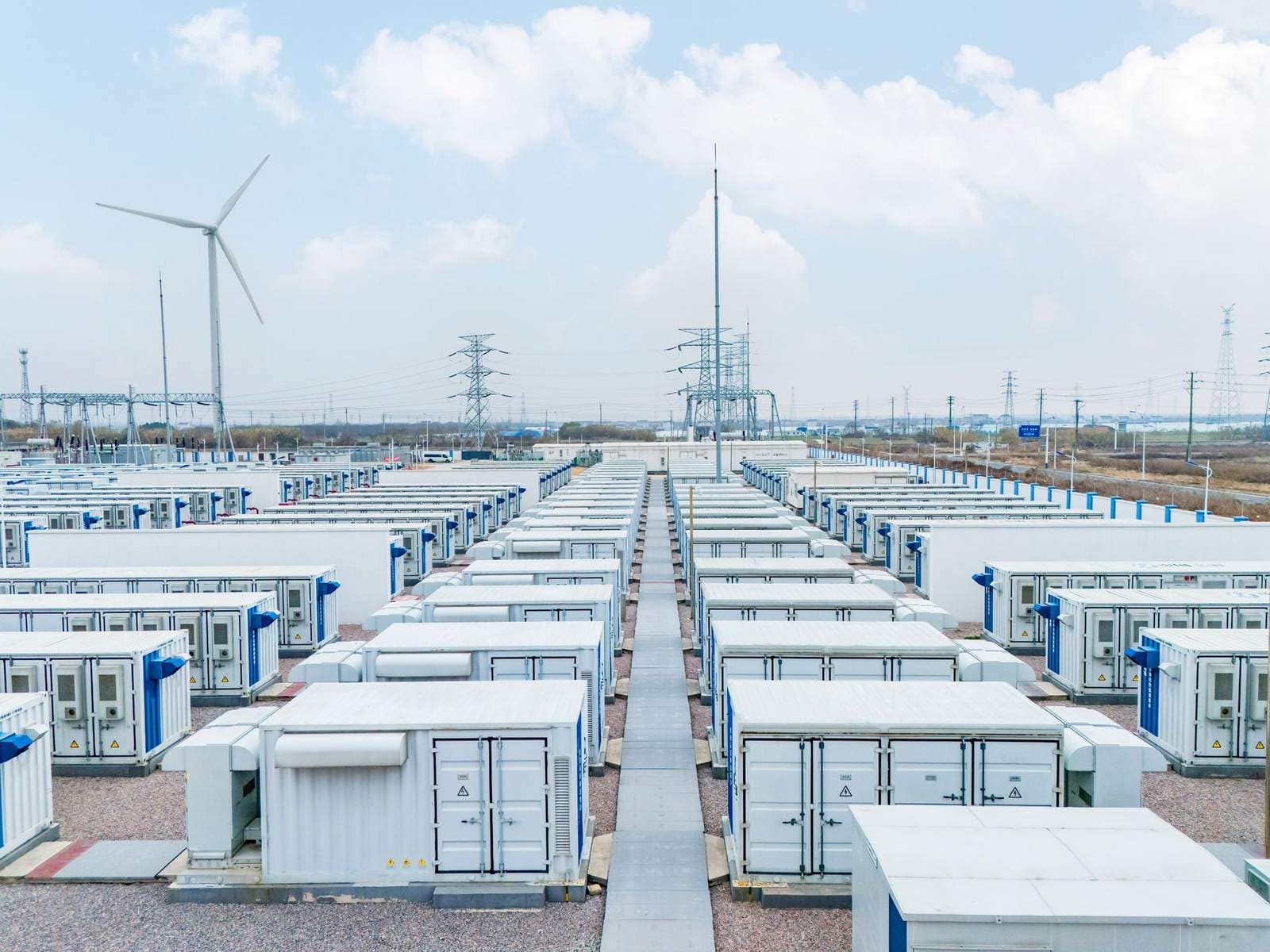
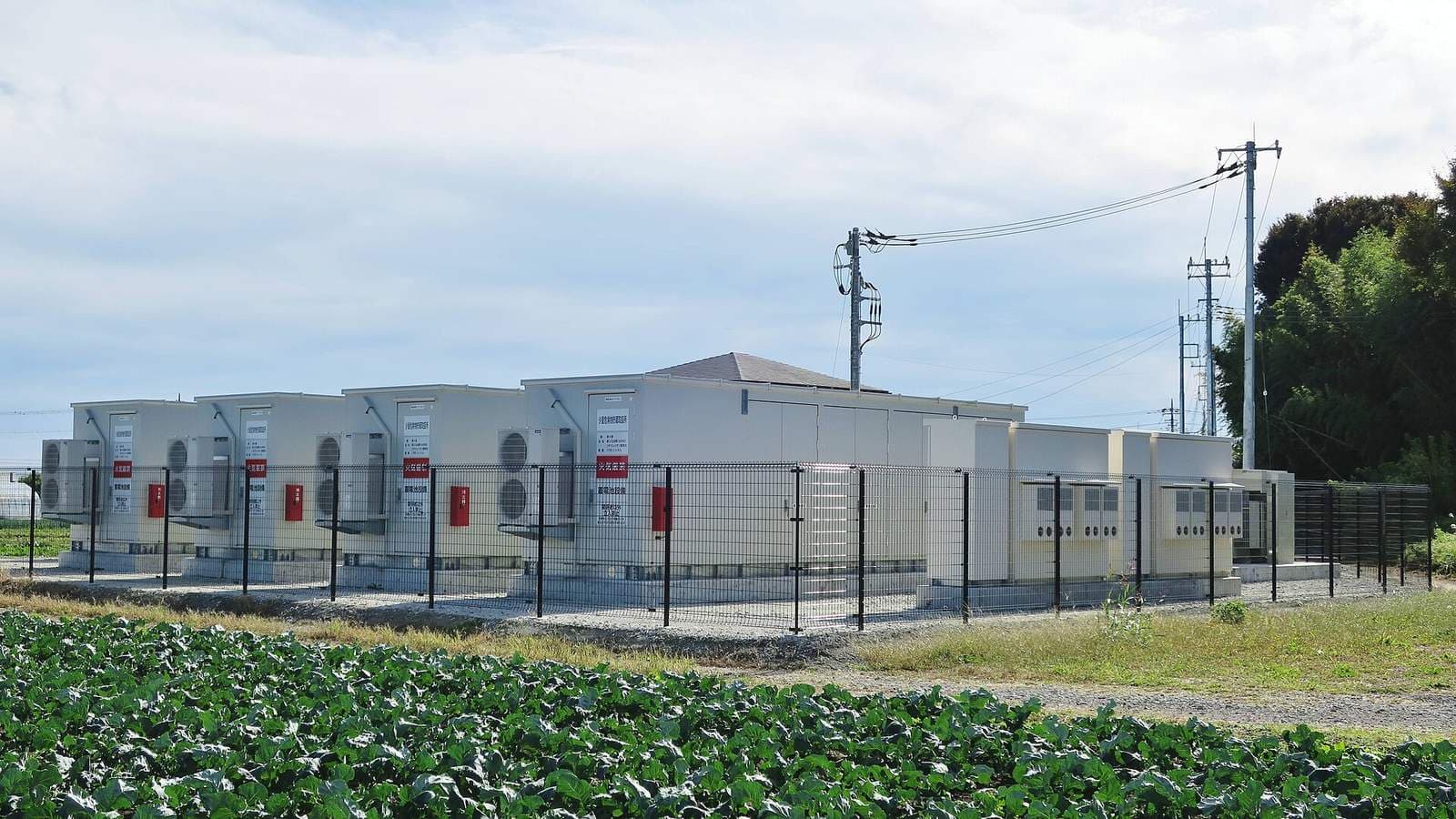
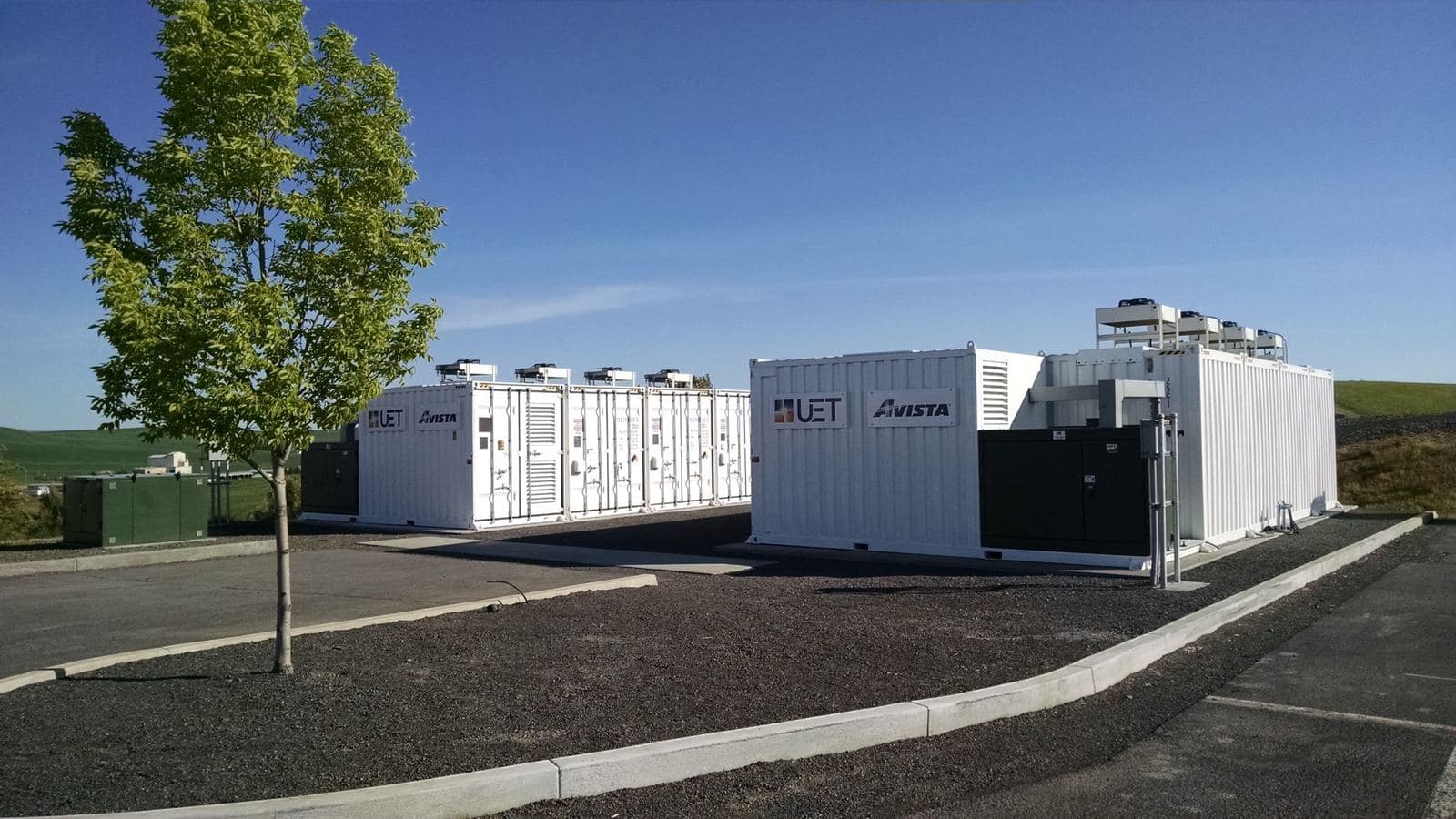
- GenCo separately contracted 600 MW / 2,400 MWh of battery storage under a roughly 20.5-year tolling agreement with AGP Group’s Atlas Storage 1 LLC, worth about $2.2 billion in aggregate payments.
The NiSource Microsoft power deal, announced October 16, is the clearest test yet of a regulated utility’s answer to the data-center affordability backlash. Under a 20-year term starting in 2028, NiSource’s generation company (GenCo) will add approximately 1,100 MW to its pool portfolio, with NiSource’s NIPSCO and GenCo units providing the generation and transmission infrastructure for Microsoft’s planned northwest Indiana campus. The defining term: Microsoft fully funds all generation and transmission required to serve its load, and the new assets will also upgrade NIPSCO’s electric transmission system, improving grid reliability and resilience for existing Indiana customers.
The savings math is what NiSource wants residents to notice. The agreement builds on a previously disclosed $1.4 billion in expected customer savings over the life of data-center contracts, raising the total to approximately $1.75 billion: a $350 million jump from a single contract. NiSource says that works out to as much as $140 per customer annually, spread across its NIPSCO electric customer base.

Inside the NiSource Microsoft power deal: the 600 MW battery tolling agreement
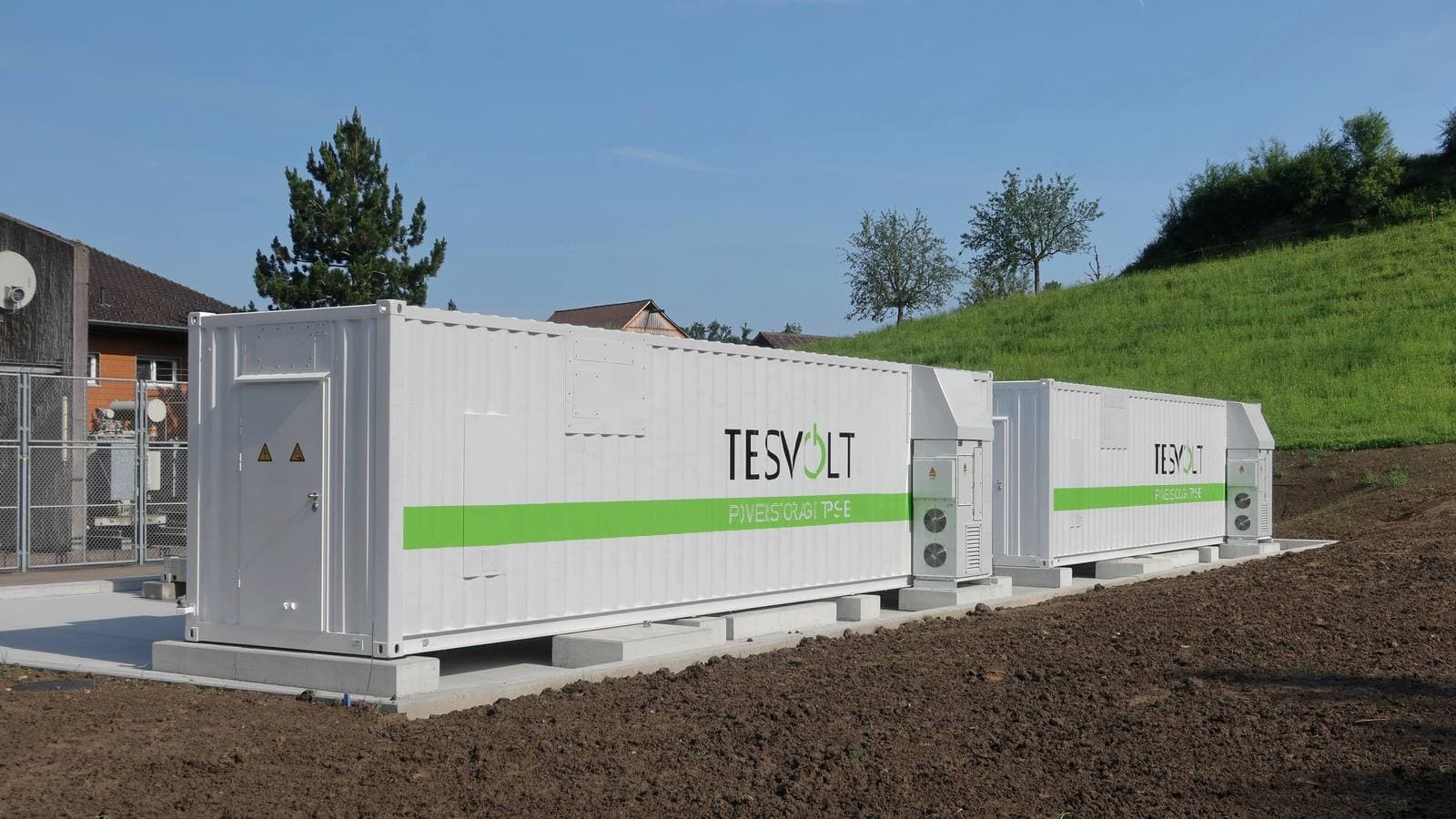
Tucked inside the headline agreement is a storage contract that deserves its own spotlight. GenCo entered a Battery Storage System Tolling Agreement for a 600 MWAC / 2,400 MWh stand-alone battery project, according to an SEC 8-K filing dated October 15, 2026, reported by Defense World. Atlas Storage 1 LLC, an indirect subsidiary of AGP Capital Holdings Pte. Ltd., will develop, construct, own and operate the project, which will connect to the transmission system operated by the Midcontinent Independent System Operator (MISO).
GenCo supplies the electricity used to charge the batteries and, in return, gets to direct dispatch and receive the project’s available capacity, discharged energy, energy storage services, ancillary services and environmental attributes. The delivery term runs about twenty and a half years, starting with the first phase’s expected commercial operation date of December 1, 2027, and GenCo holds an exclusive, irrevocable option to buy the project at specified intervals during the term and at its end. For readers new to storage economics, our battery energy storage explained guide breaks down how tolling structures like this one work.
The $350 million question: do data centers actually lower bills?
Utility executives now repeat the same talking point, large-load customers fully fund the infrastructure required to serve them, but NiSource attached a number to it. “Affordability is not separate from economic development; it is a key pillar of our GenCo model,” said NiSource President and CEO Lloyd Yates. “Our priority remains clear: protect existing customers, support safe and reliable service, and ensure that new growth contributes tangible benefits to the communities we serve.” Microsoft’s Jeff Riles, Senior Director of Energy Markets, added: “Microsoft has always been committed to paying our own way and identifying long-term solutions like this one to ensure that our data centers don’t increase electricity prices for other ratepayers.”
The tolling deal’s own math is worth unpacking. About $2.2 billion in aggregate storage payments over roughly 20.5 years implies an average annual payment of around $107 million: roughly $179 per kW-year for the 600 MW of dispatch rights, charged energy services and environmental attributes GenCo receives. That is a capacity-value calculation NiSource is making publicly: firm, dispatchable storage attached to its regulated pool is worth locking in for two decades. One caution from the filing: the agreement is not yet effective. It becomes binding only if AGP Group signs engineering, procurement and construction contracts and an interconnection agreement by January 31, 2027.
Regulated vs merchant: two answers to the same data-center problem
The NiSource Microsoft power deal represents the regulated-model answer to a question the whole industry is answering differently. Contrast it with the merchant route: Google’s deal with Constellation to buy nuclear power for AI data centers is a private contract between a buyer and an independent generator, with no ratepayer math attached. NiSource’s structure instead runs the hyperscaler through the regulated utility’s balance sheet: Microsoft underwrites the steel in the ground, existing customers are contractually shielded from the costs, and the data-center load itself becomes a revenue stream that funds grid upgrades and returns savings.
The regulatory backdrop makes the choice sharper. Federal regulators recently rejected a PJM proposal for a data-center registry with curtailment powers, signaling that Washington is wary of blunt instruments for managing large-load growth. NiSource’s approach, voluntary, bilateral, customer-pays-its-own-way, is the path of least regulatory resistance. Compare the philosophies: the Google-Constellation nuclear pact bets on merchant clean power; NiSource bets that regulators and the public will accept data centers if the bill math visibly favors neighbors.
The ratepayer protection built into the tolling structure
Data-center power demand is the single most consequential load-growth story in US electricity this decade, and its political risk is affordability. Every new campus announcement invites the same question from residents and regulators: who pays for the grid this thing needs? This deal is the template answer, and its structure is what makes it replicable: the hyperscaler funds the infrastructure, the utility pools the resources across multiple large-load customers, and the existing rate base is explicitly protected while capturing upside: $350 million of additional projected savings from one contract is not a rounding error.
The battery tolling piece matters beyond Indiana because it shows how utilities plan to make data-center load shapeable. Four hours of dispatchable storage (2,400 MWh behind 600 MW) gives GenCo a lever to manage the peaks that hyperscale campuses create, and the 20.5-year term with a purchase option turns a developer-built asset into a regulated-pool resource over time. If AGP Group hits its January 31, 2027 conditions and first-phase commercial operation lands by December 1, 2027, GenCo will have roughly two years of operating experience with the battery before Microsoft’s 2028 service start. Watch the company’s third-quarter earnings call, where NiSource says it will share further operational and financial details: that is where the savings projections will face their first real scrutiny.