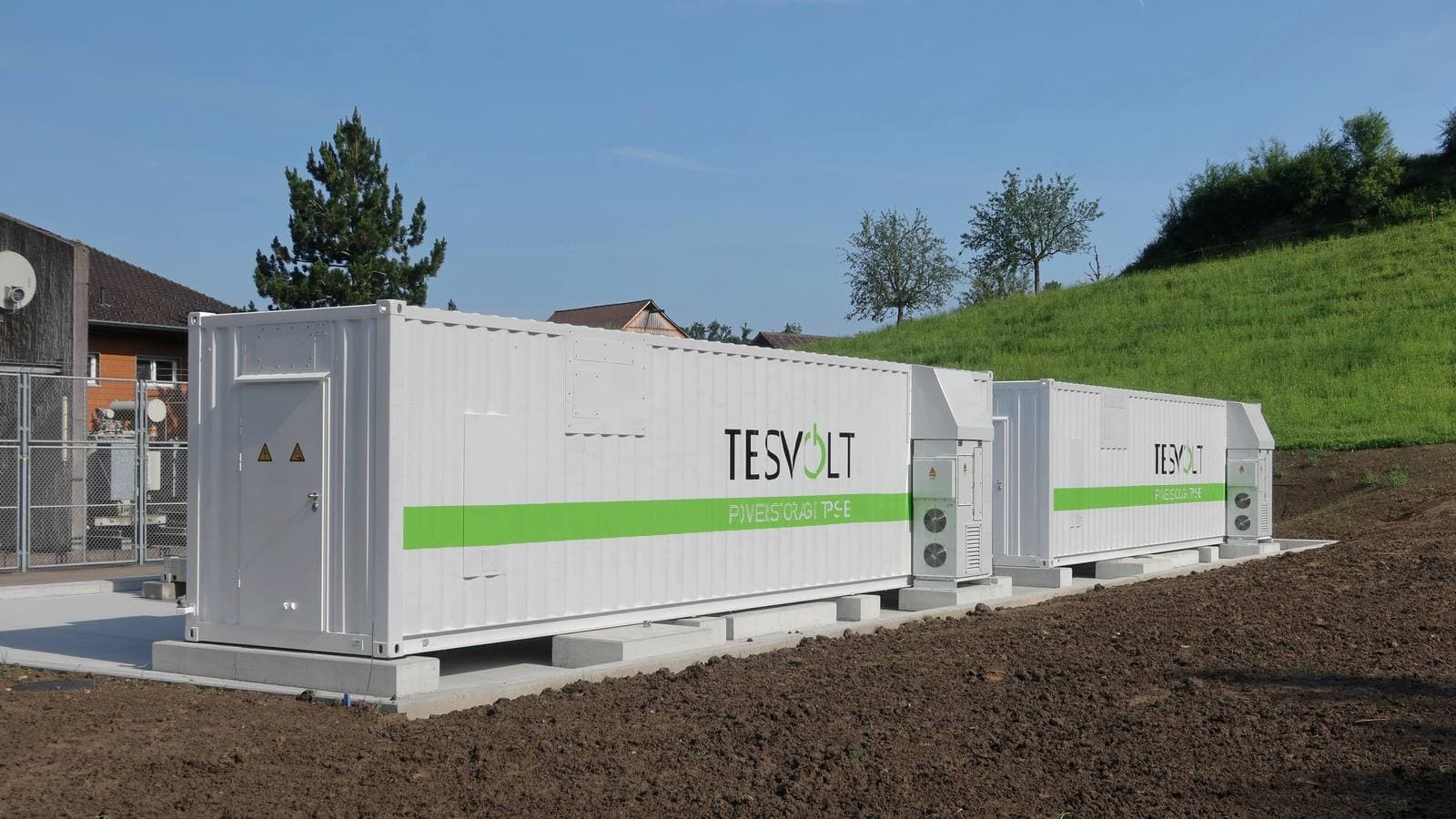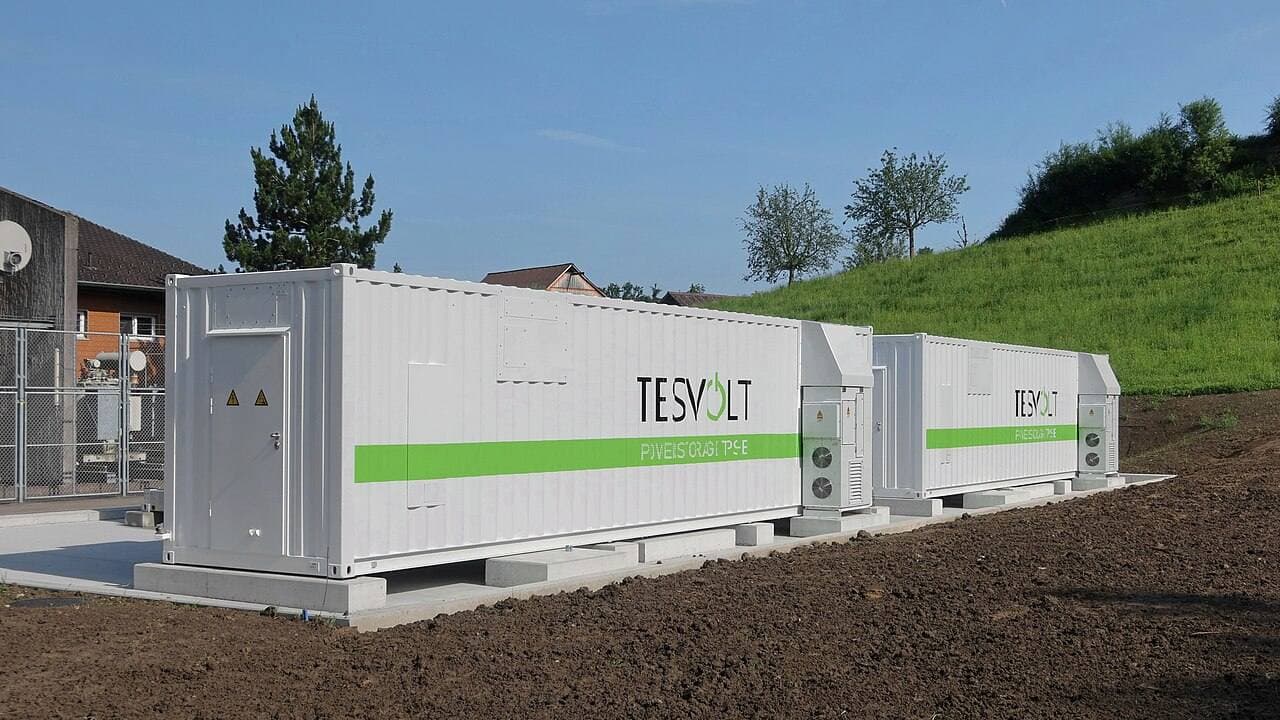
- Peak Energy closed an oversubscribed $108 million Series B led by GM Ventures on October 21, with participation from Maverick Silicon, Eclipse, and LG Technology Ventures.
- The three-year-old sodium-ion storage startup holds more than $1 billion in customer commitments and is building a 4 GWh factory in Sacramento set to start production in Q1 2027.
- GM’s move is a double-down: it partnered with Peak on sodium-ion cells in June, then led the financing in October, making a carmaker the biggest bettor on lithium-free grid storage.
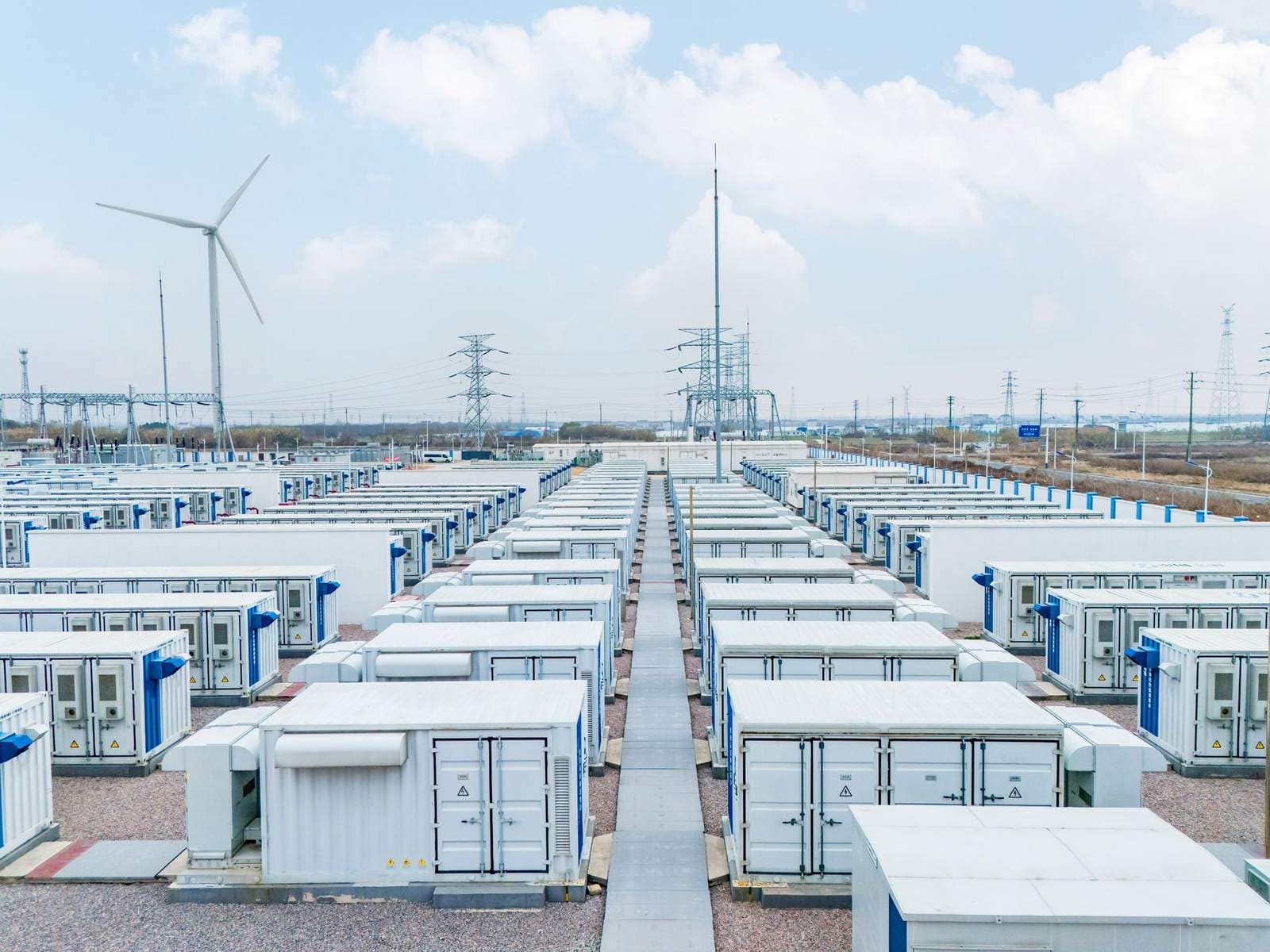
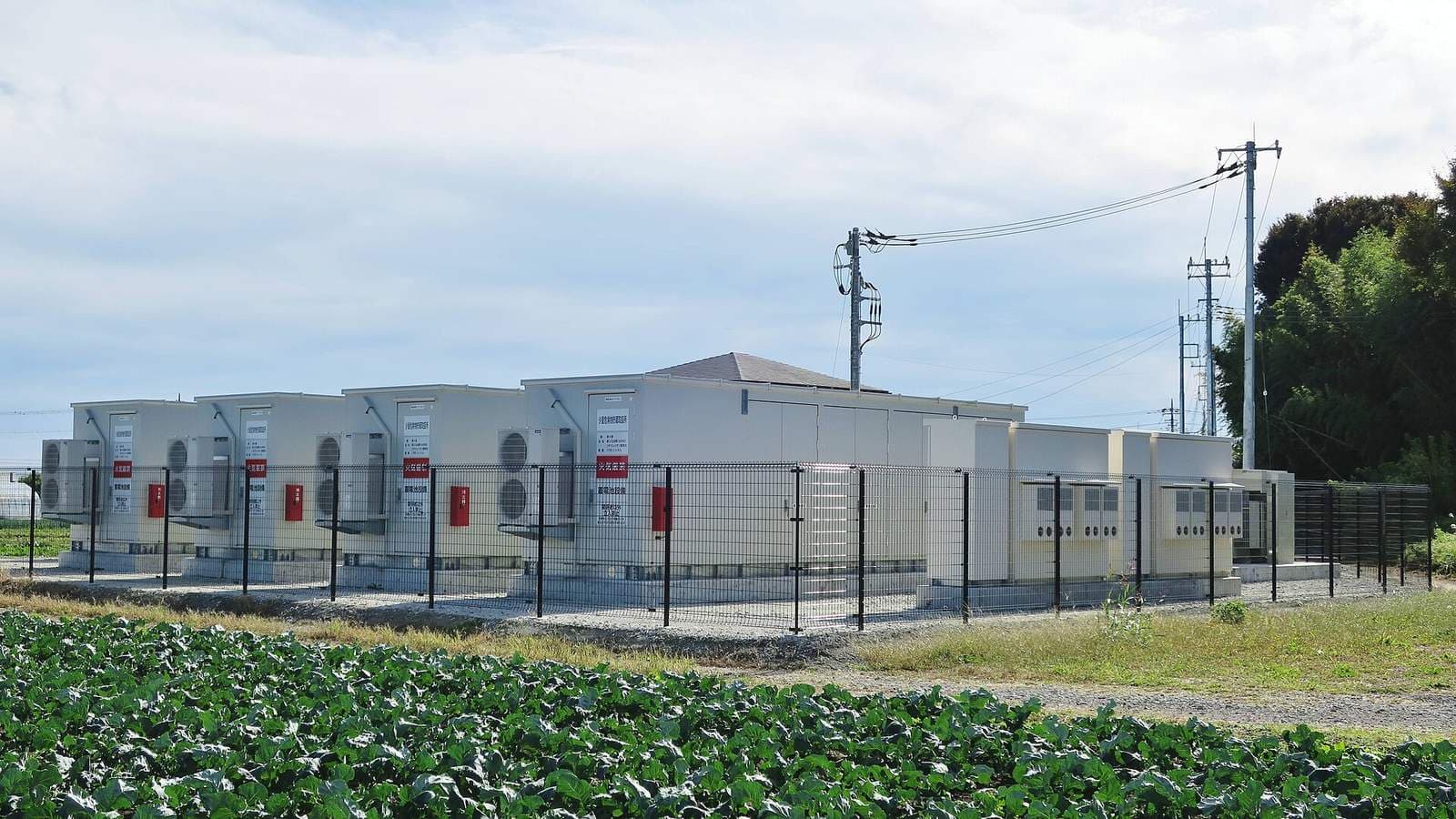
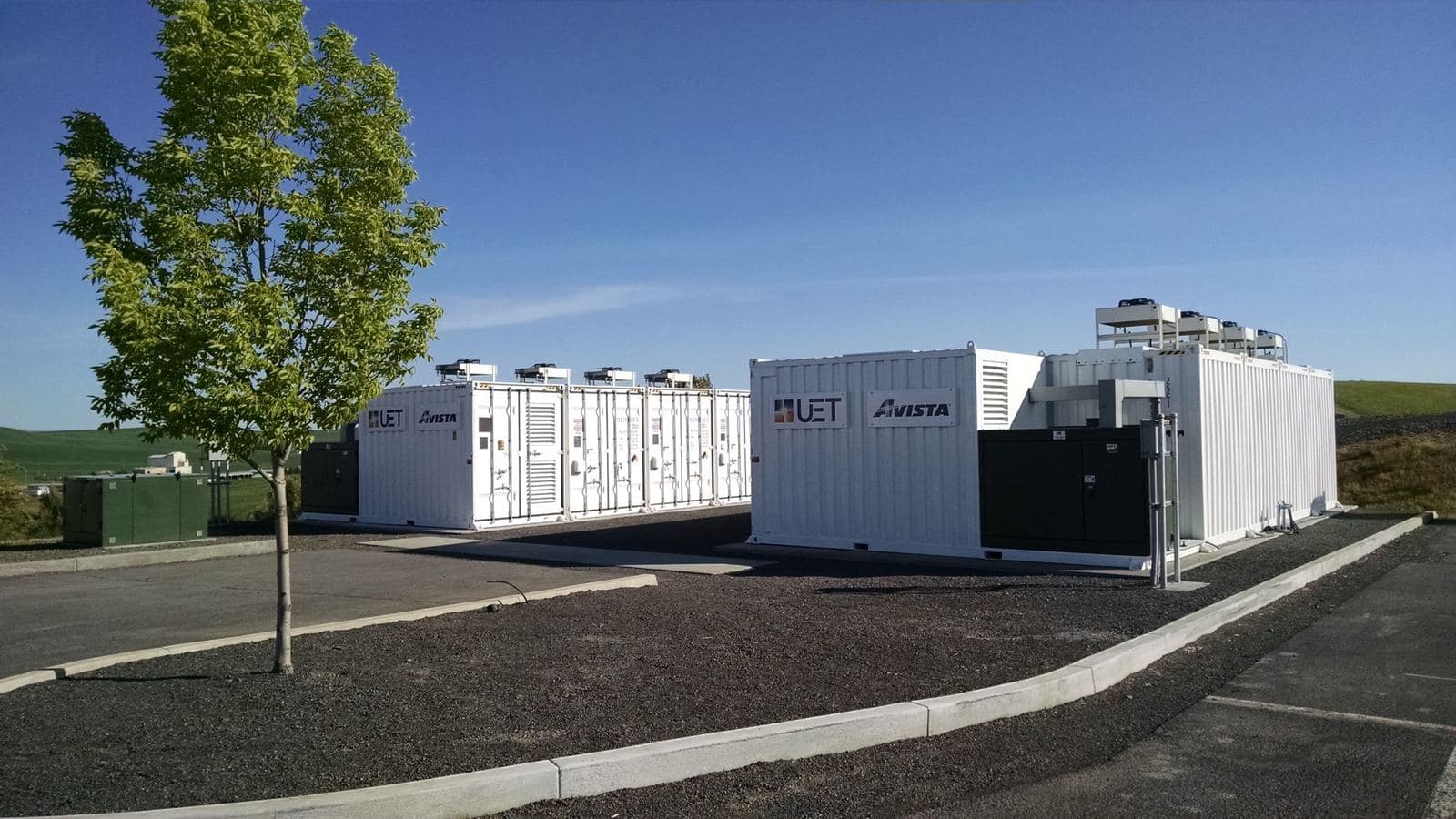
A carmaker just became the most aggressive investor in lithium-free batteries. Peak Energy, a startup founded in 2023 to build passively cooled sodium-ion storage systems, announced on October 21 that it closed an oversubscribed $108 million Series B round led by General Motors Ventures. The financing positions Peak to scale domestic manufacturing, fulfill more than $1 billion in customer orders, and push its product into the data-center power market, according to the company’s press release.
Sodium-ion is having a moment because lithium is not the only chemistry that can store grid electricity. Sodium is abundant, cheap, and geopolitically boring, which is exactly what project developers want after a decade of lithium price swings and supply-chain anxiety. Peak’s pitch is that its passively cooled sodium-ion systems cut the cost of energy by up to 20 percent compared with conventional storage, require zero planned maintenance, consume zero water, and emit virtually no noise, while eliminating the leading causes of battery fires. Those are company claims, not independent test results, but they explain why utilities and data-center developers are signing up: the commercial agreements Peak lists include Jupiter Power, RWE, and Energy Vault.
How unusual is this round? The data says very
Storage startups raise money constantly. What makes this one stand out is the demand behind it. According to Dealroom’s venture data, the $108 million round ranks in the 95th percentile of all-time US Series B energy deals, a sample of 791 rounds. And the arithmetic on Peak’s order book is striking:
| Metric | Figure | Source |
|---|---|---|
| Series B raised | $108 million (oversubscribed) | Peak Energy, Oct 21 2026 |
| Customer commitments | More than $1 billion | Peak Energy, Oct 21 2026 |
| Backlog coverage ratio | Greater than 9.3× | Joule Post calculation ($1B ÷ $108M) |
| Deal size percentile | 95th of US Series B energy deals (n=791) | Dealroom |
| Factory capacity | 4 GWh, Sacramento CA, production Q1 2027 | Peak Energy |
A 9-to-1 ratio of contracted revenue to fresh capital is rare air for a hardware startup. It means Peak is not raising money to find customers; it is raising money to build factories fast enough to serve the ones it has. That distinction matters because storage manufacturing has a graveyard problem: companies that raise big rounds on technology promise and then spend years hunting for buyers. Peak’s problem is the opposite, which is the better problem to have.
The GM timeline: partnership in June, lead investor in October
The most telling part of the story is not the dollar figure but the sequence. In June, Peak announced a partnership with General Motors to co-develop next-generation sodium-ion cells for the storage market, drawing on GM’s US battery-cell industrialization expertise. Four months later, GM Ventures led the company’s financing. A carmaker that spent a decade building lithium-ion supply chains for its EVs is now bankrolling the chemistry meant to replace lithium on the grid.
GM Ventures president Kevin McCabe was explicit about the reasoning: “GM Ventures is investing to help Peak Energy continue to scale this innovative technology because we believe it has significant potential in the energy storage market as a safe, cost-effective solution using abundant, domestically sourced materials.” The phrase “domestically sourced” does real work there. Sodium-ion sidesteps the lithium, nickel, and cobalt supply chains that run through a handful of countries, which is a strategic argument as much as an economic one.

What a sodium-ion plant means for the AI power crunch
The press release frames the data-center push plainly: “access to power has become the primary constraint on growth.” Data centers need electricity that is always on, and grid interconnection queues in the US now stretch for years. On-site and near-site storage is one of the few ways to add firm capacity quickly, which is why storage developers are suddenly pitching to hyperscalers. Our coverage of Tesla’s 1 GWh Megapack order for AI data-center power in Taiwan and the 20 GWh battery facility cleared in Maharashtra shows the same demand signal on three continents.
Peak’s specific edge in the data-center fight may be permitting, not price. A storage system with no water consumption, virtually no noise, and no active cooling to fail is easier to site next to a community than a conventional lithium-ion plant with its fire-suppression requirements and thermal-management load. Kenneth Safar, managing director at Maverick Silicon, pointed at the same logic: Peak’s “differentiated approach to sodium-ion, with a focus on the full system from chemistry and design through manufacturing and deployment at scale,” gives it “an opportunity to build a defining platform in energy storage.” Storage designed to win siting fights, not just to cut dollars per kilowatt-hour, is a genuinely new competitive axis. For readers weighing chemistries, our LFP vs NMC comparison covers the lithium-ion incumbents sodium-ion is chasing.
The honest caveats: Peak’s cost and safety advantages are company claims until independent deployments prove them, the Sacramento factory does not start production until Q1 2027, and sodium-ion’s lower energy density means it will not touch the EV market. But for stationary storage, where weight barely matters and cost, safety, and siting do, GM just placed the biggest bet yet that the future is sodium.