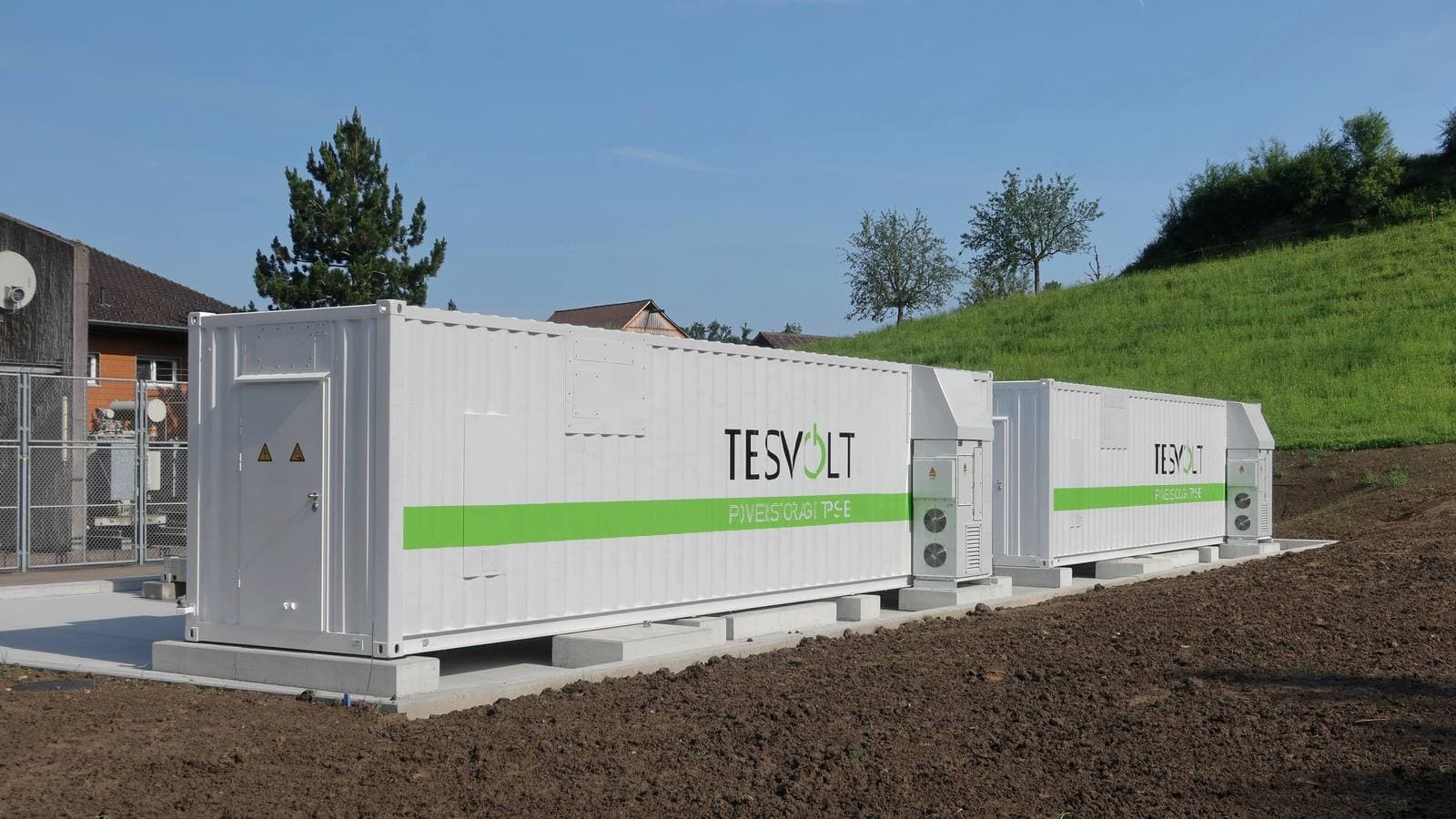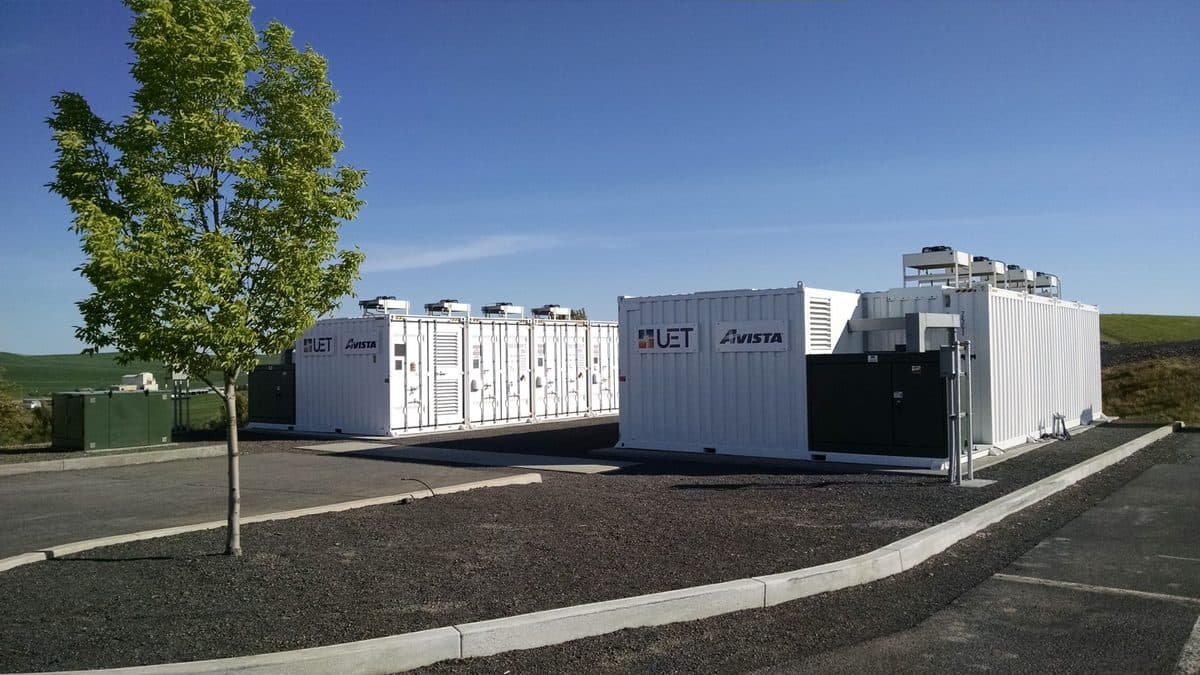
- Google signed a PPA with NextEra Energy for the Pierce County Energy Center in Nebraska: 420 MW of solar paired with 680 MWh of battery storage, expected online in 2027.
- The deal sits inside a procurement framework with Omaha Public Power District (OPPD), which expects roughly 100 MW of new load each year for the next five years as data center demand surges.
- At 420 MW, the project is roughly ten times Nebraska’s entire installed solar base from the end of 2024. A single build that rewrites the state’s solar map.
The Google Nebraska solar battery deal is one of the largest clean-power contracts the Midwest has seen this year. Google agreed this week to offtake output from the Pierce County Energy Center, a 420 MW solar array paired with a 680 MWh battery energy storage system in northeast Nebraska, built under a procurement framework between Google and Omaha Public Power District (OPPD). The solar farm is expected to be operational in 2027.
Under the framework, Google supplies carbon-free energy to OPPD and shares the clean-energy capacity attributes with the utility for the benefit of all customers in the region, a structure designed to match a data center giant’s round-the-clock power needs with a public utility’s reliability obligations. OPPD chief executive Javier Fernandez said: “This collaboration is a big step forward in our continuing work to add 3,200MW of power by the end of the decade, with most of the energy coming from renewable energy sources. Pierce County Energy Center supports our commitment to a diverse generation portfolio, which is critical to reliability.”
The deal is one piece of a bigger Google procurement week. In Texas, Elawan Energy, part of Japan’s Orix, will supply Google from a 37 MW solar project in Hill County, with commercial operations expected in 2026. Google also announced its first carbon removal deal: 50,000 tons of nature-based credits from Mombak in Brazil by 2030.
A 420 MW solar array for a state with almost no solar
The scale of the Pierce County project is best understood against Nebraska’s solar baseline. The state finished 2024 with roughly 40 MW of solar installed, ranking 44th among US states. For context, Pierce County alone is more than ten times that figure. Nebraska’s electricity has long been dominated by coal and nuclear, so a single 420 MW solar plant represents a genuine inflection point for the state’s generation mix.
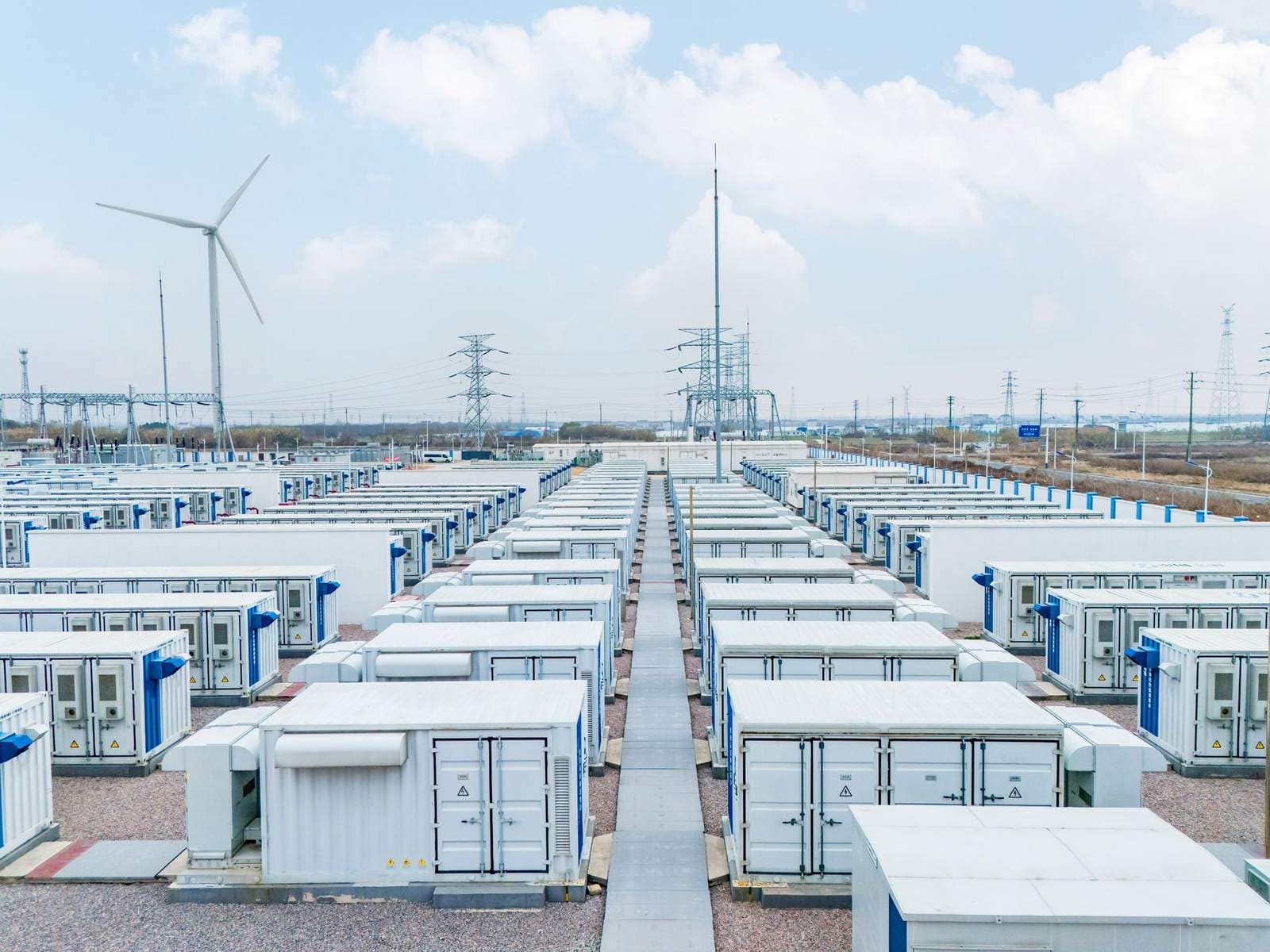
The battery component is equally striking at the state level. The project carries a 170 MW, four-hour battery (680 MWh of storage), and according to OPPD’s own reporting, it is the largest battery project under physical construction in Nebraska. Construction is underway, with the facility expected online in 2027. NextEra Energy Resources, the developer, has now built a substantial portfolio with Google: CEO Rebecca Kujawa said, “We’re excited to further our commitment to the state of Nebraska, where NextEra Energy Resources has invested more than $820 million since 2013, while continuing to collaborate with Google. We now have a large and growing portfolio of contracted wind, solar, and storage resources with Google as we help address the significant need for clean, reliable, affordable energy.”
Google previously procured 600 MW of wind from NextEra’s High Banks Wind Energy Center in the state, making Pierce County the second major Nebraska deal between the two companies.
| Item | Detail |
|---|---|
| Solar capacity | 420 MW |
| Battery | 680 MWh (170 MW, four-hour duration) |
| Offtaker structure | Google via a procurement framework with Omaha Public Power District (OPPD) |
| Developer | NextEra Energy Resources, which has invested more than $820 million in Nebraska since 2013 |
| Expected online | 2027 |
| Nebraska baseline | ~40 MW of solar installed at end of 2024, 44th among US states; this project is roughly 10 times that |
| Local economics | ~540 construction jobs; $5.3 million in annual economic activity over 20 years (per the University of Nebraska-Lincoln) |
| Utility load context | OPPD expects ~100 MW of new load per year for five years, up from 4 MW per year; it plans to add 3,200 MW by the end of the decade |
A 25-fold load surge explains the urgency
The load story explains the urgency. OPPD now expects about 100 MW of electrical load growth per year for the next five years — up from just 4 MW annually a few years ago, a 25-fold acceleration driven largely by data centers. The utility is adding 3,200 MW of capacity by the end of the decade to keep up. Google’s own statement on the deal reads: “The Pierce County Energy Center will support our own 24/7 CFE goal and OPPD’s clean energy ambitions. Additionally, we will share the clean energy capacity attributes with OPPD for the benefit of all energy customers in the region.”
That shared-attributes model matters because it spreads the economics: the data center customer underwrites the project, and the utility’s wider customer base benefits from the capacity. As battery storage undercuts gas peakers across dozens of markets, the four-hour battery here is doing double duty: firming the solar output and supplying grid capacity in a region where power price spikes and emergency orders are already reshaping markets in other parts of the country.
680 MWh: the battery is now standard equipment
America’s electricity growth is increasingly data-center load, and corporate buyers are paying for the clean part of it. A single corporate PPA just committed to building roughly ten times Nebraska’s entire current solar fleet. Put differently: the University of Nebraska-Lincoln estimates the project will support about 540 construction jobs and generate $5.3 million in annual economic activity over its 20-year life, a measurable local dividend from one procurement decision made by a tech company trying to keep its AI data centers carbon-free.
But the deeper signal is the battery. At 680 MWh, the Pierce County storage system is approaching the scale of some of the largest standalone batteries in Europe: Greece’s record 790 MWh project is only slightly bigger. Four years ago, a solar PPA in Nebraska would have been a novelty; today it ships with a four-hour battery as standard equipment, because the buyer needs capacity, not just energy. When the largest load customers in the grid start buying storage as a matter of course (the same logic now being applied to solid-state batteries targeting data center backup), it signals that utility-scale storage has crossed from experimental to structural in the Midwest.