- Puget Sound Energy broke ground on October 15, 2026, on the 130-MW Battle Butte Solar Project near Rapelje, Montana, with completion targeted for mid-2028.
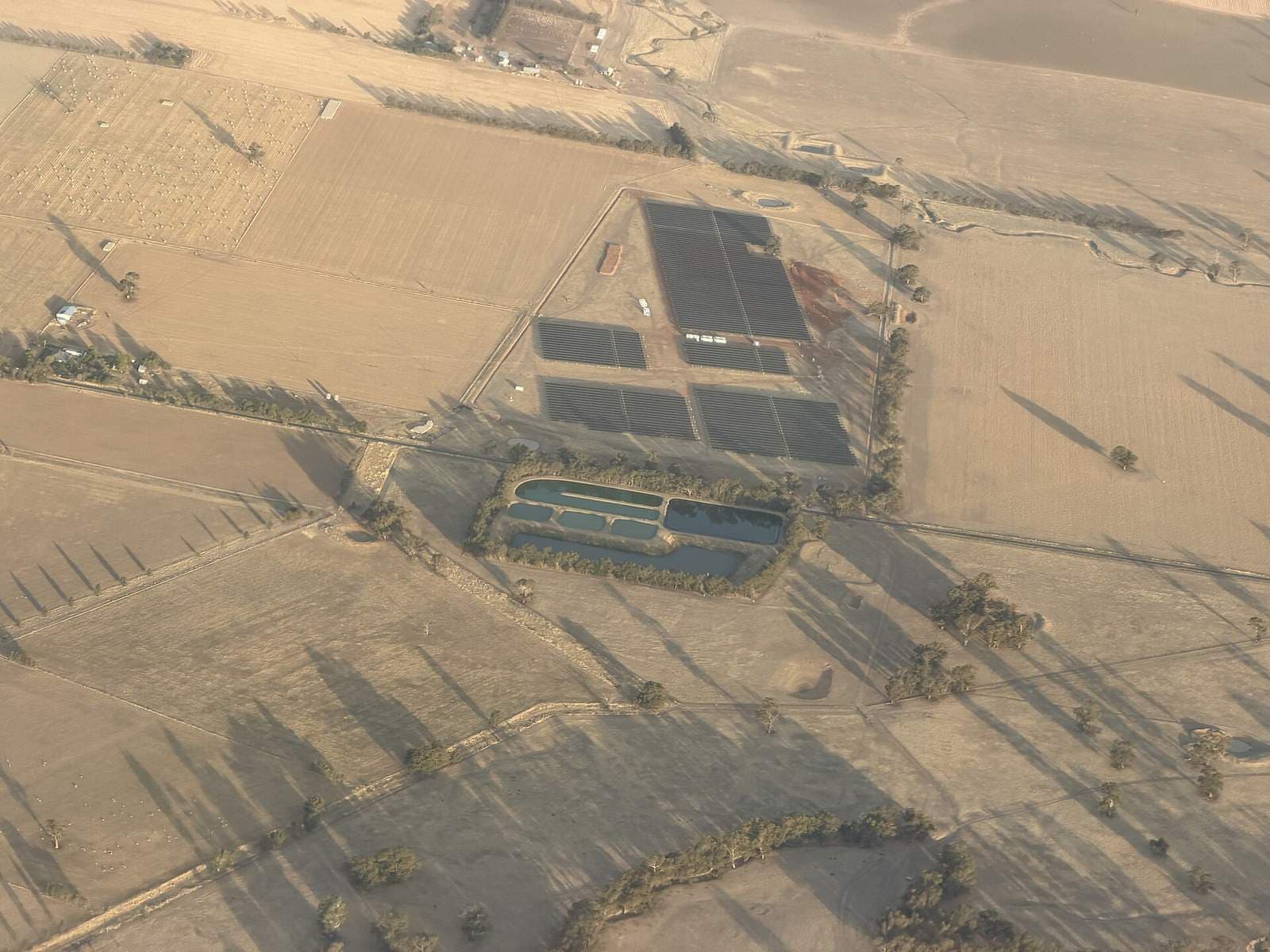
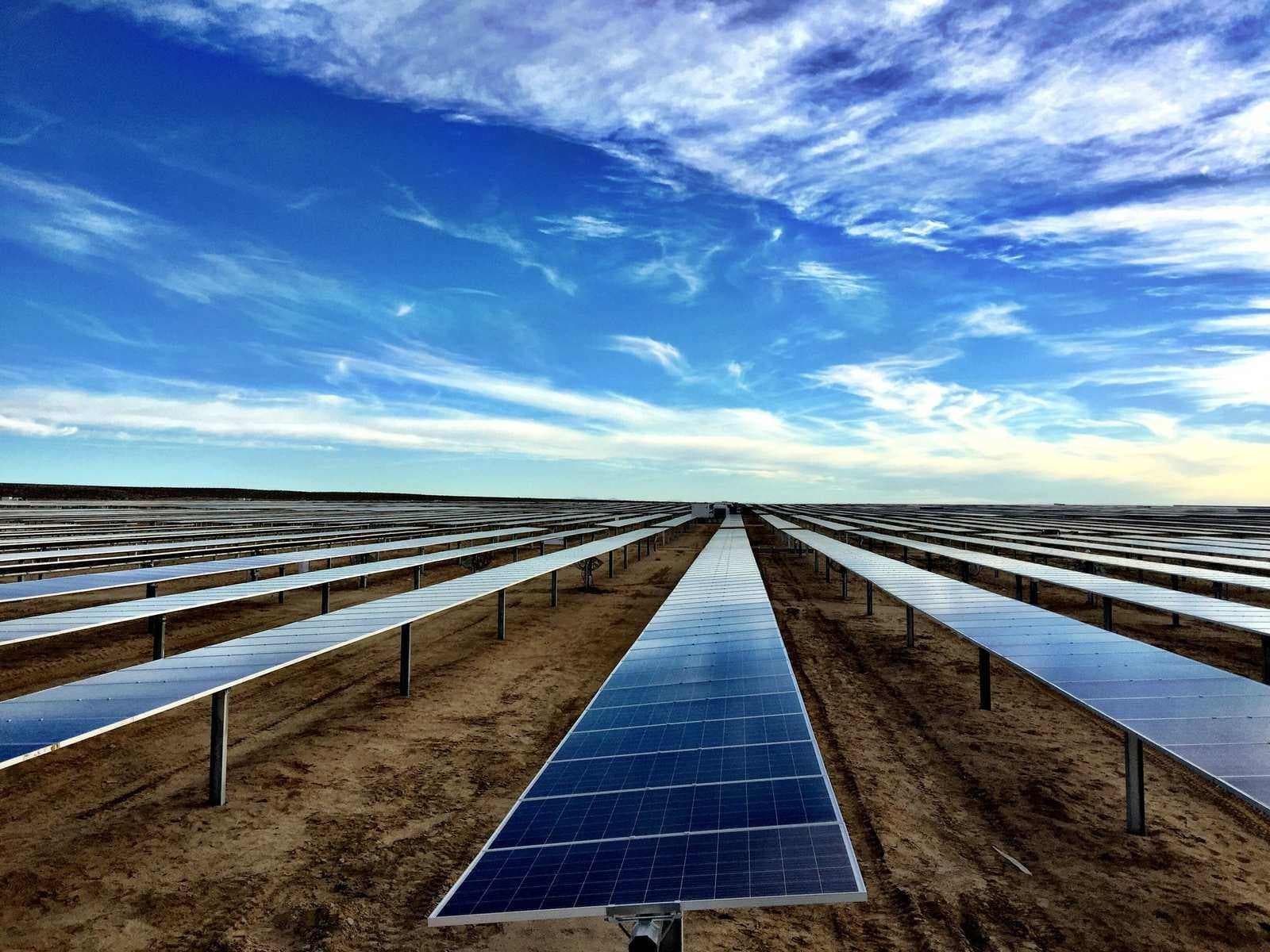
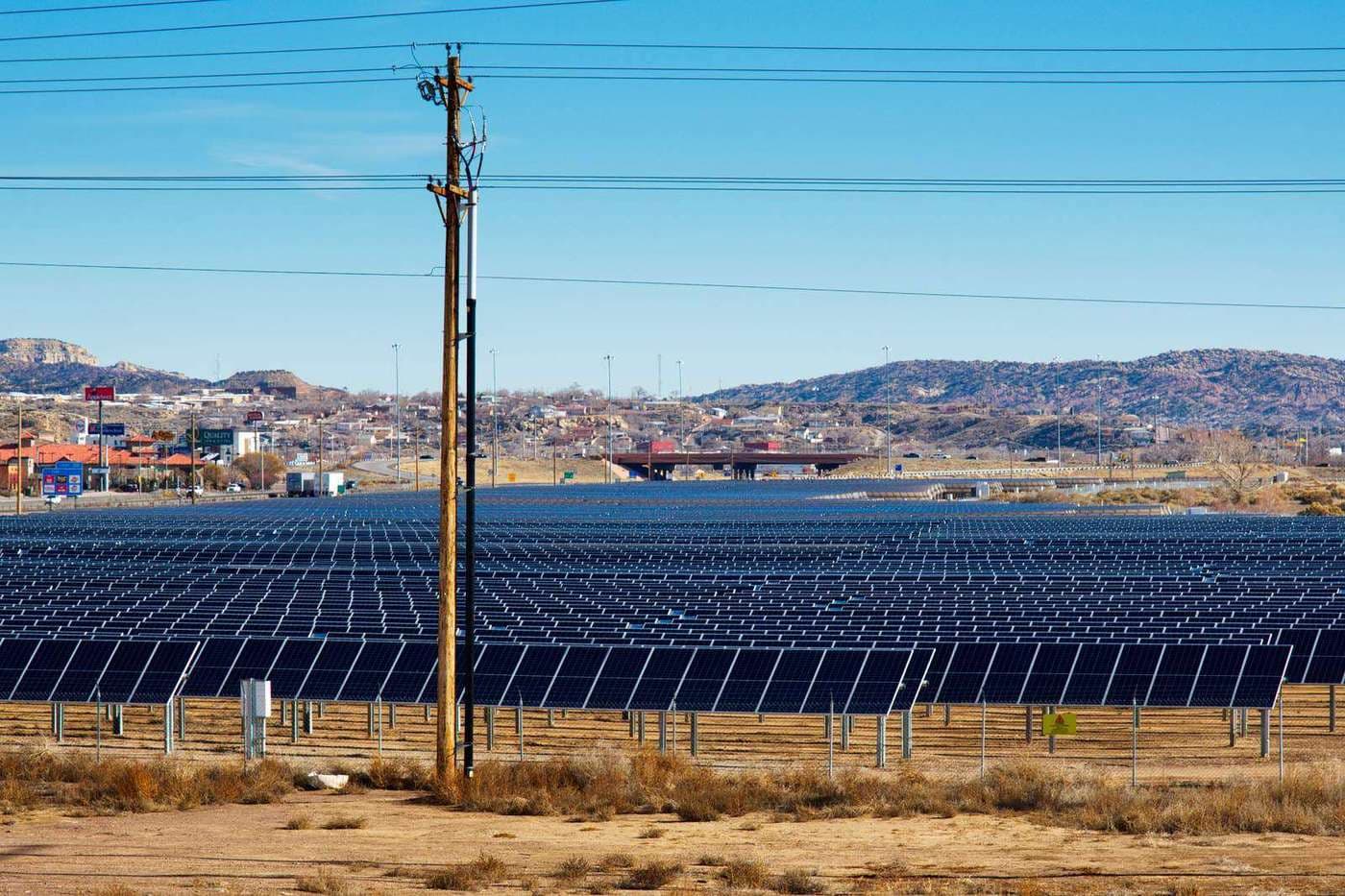
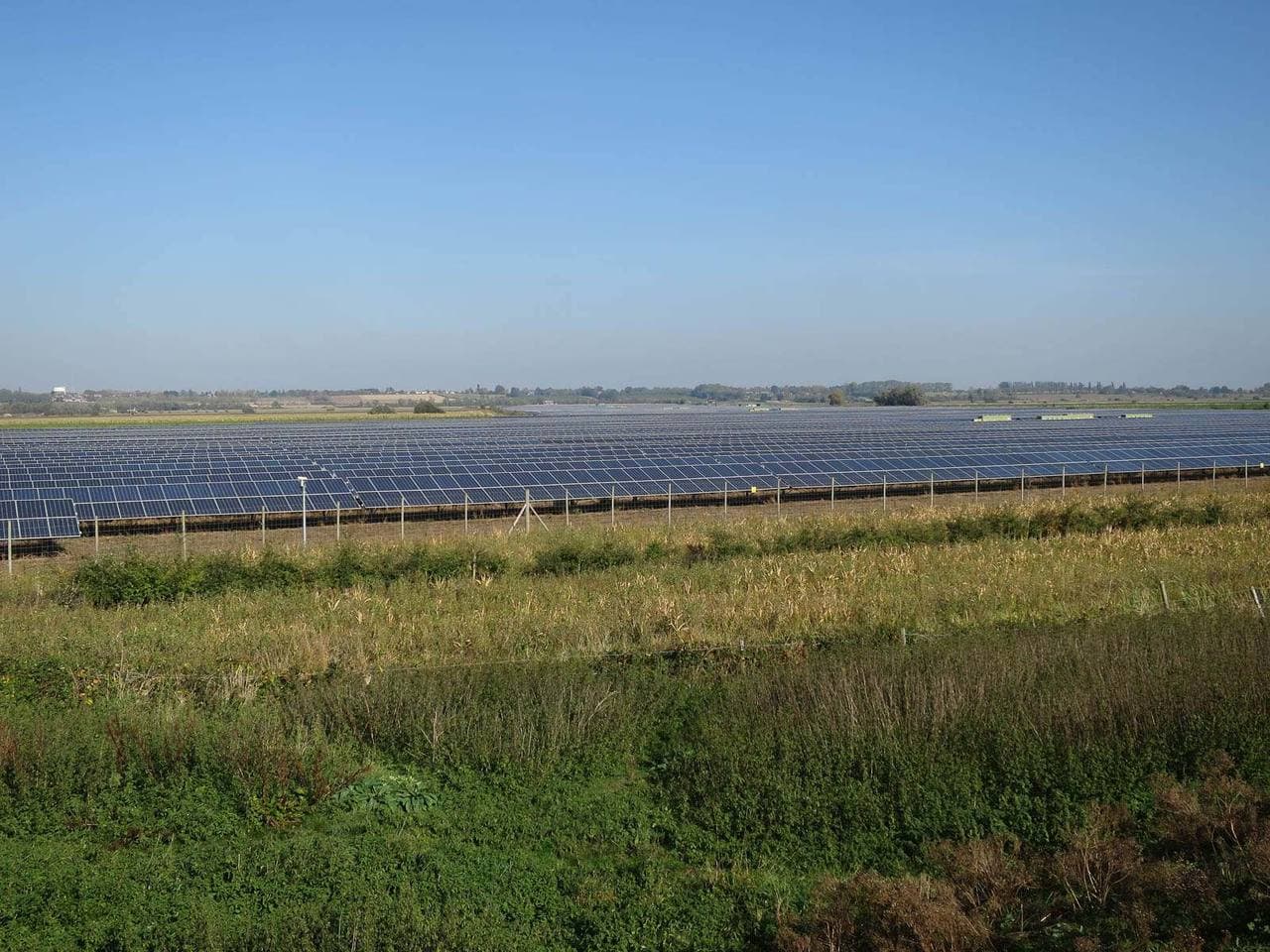
- The project will deploy more than 350,000 bifacial solar modules across about 1,400 acres and is forecast to power roughly 20,000 homes a year.
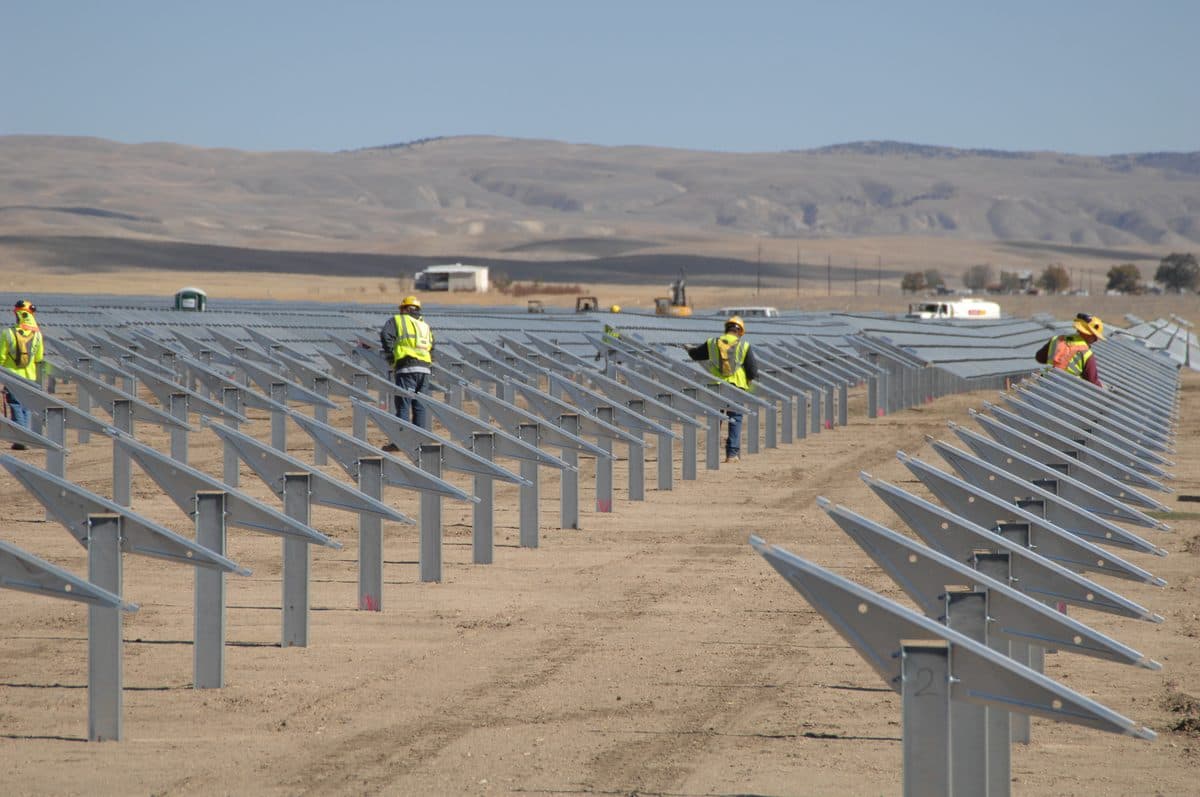
- Construction is expected to support about 250 skilled jobs, with project spending, impact fees and property taxes flowing to Stillwater County.
- The project serves Washington’s Clean Energy Transformation Act: PSE has added 22 long-term clean-energy projects totaling about 4,000 MW since 2019 and eliminated coal from its portfolio at the end of 2025.
The Montana solar project known as Battle Butte moved from paper to ground this week. Puget Sound Energy announced the groundbreaking of the 130-megawatt facility near Rapelje, Montana, on October 15, 2026, with construction starting this fall and completion targeted for mid-2028, according to the company’s announcement.
The project will feature more than 350,000 bifacial solar modules across approximately 1,400 acres, plus a substation and transmission infrastructure connecting it to PSE’s operating 248-MW Beaver Creek Wind Project, pairing new solar with an existing wind asset in the same region. It is forecast to generate enough electricity to power about 20,000 homes a year, Daily Energy Insider reported.
A Montana solar project built for Washington’s clean-energy mandate
“Battle Butte solar represents a critical component of our clean energy strategy,” said Craig Pospisil, PSE’s senior vice president and chief development officer. The purpose is regulatory: the project helps PSE comply with Washington’s Clean Energy Transformation Act, the state law requiring utilities to supply carbon-neutral electricity. Since 2019, the company has added 22 long-term clean-energy projects totaling roughly 4,000 MW, and it eliminated coal from its portfolio at the end of 2025.
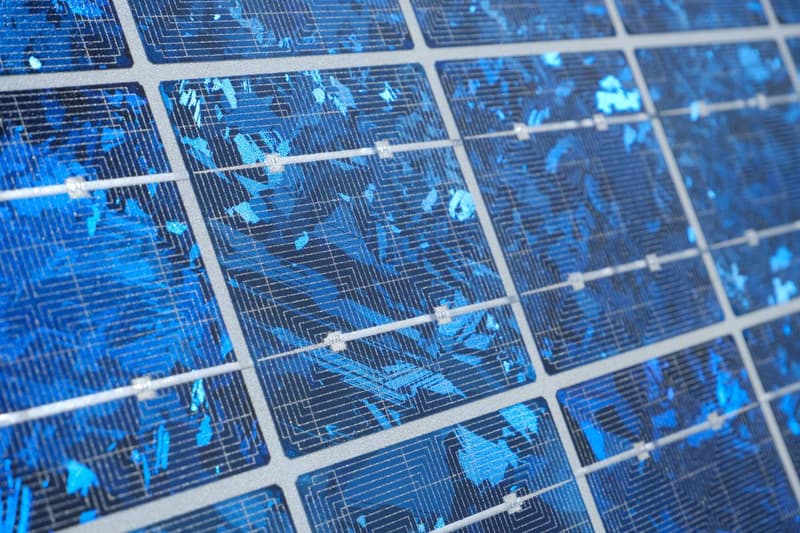
For readers new to the technology, the project’s 350,000 bifacial modules capture sunlight from both faces, the rear side harvesting light reflected off the ground, a design choice that pays off on high-albedo terrain such as Montana’s open range, as explained in our overview of how solar panels work. Construction is expected to support around 250 skilled jobs, and PSE cites project spending, impact fees and property taxes as the local economic upside for Stillwater County.
Stillwater County’s stake is concrete. Rural Montana counties that host utility-scale projects typically see a step change in their property-tax base once the facility is assessed: revenue that funds roads, schools and emergency services in communities where the tax base is otherwise thin. The ~250 construction jobs, while temporary, arrive alongside the longer-term operations roles and the lease payments to landowners across the 1,400-acre footprint.
154 homes per megawatt: the Montana-to-Washington bargain
The striking thing about Battle Butte is its address. A Washington utility is building a solar farm in Montana to meet a Washington clean-energy law. It is not an isolated case. The pattern echoes DTE’s Cold Creek solar project in Michigan, built with Ford as corporate offtaker: utilities reaching across state lines to where land is cheap, permitting is workable and the sun or wind cooperates. The question this raises is whether state clean-energy mandates are quietly becoming regional procurement programs, and whether ratepayers in the mandating state will keep accepting projects they can never see.
| Item | Detail |
|---|---|
| Capacity | 130 MW |
| Location | Near Rapelje, Montana (Stillwater County) |
| Footprint / output | ~1,400 acres; 350,000+ bifacial modules; ~20,000 homes per year (~154 homes per MW) |
| Timeline | Construction from fall 2026; completion mid-2028 |
| Grid connection | Tied to PSE’s 248-MW Beaver Creek Wind Project |
| Jobs and local upside | ~250 construction jobs; project spending, impact fees and property taxes for Stillwater County |
| Compliance driver | Washington’s Clean Energy Transformation Act: coal out by end 2025, GHG-neutral electricity by 2030, 100% clean by 2045; PSE has added 22 projects (~4,000 MW) since 2019 |
The scale math puts the project in perspective. At 20,000 homes from 130 MW, Battle Butte works out to about 154 homes per megawatt, a reasonable yield for a northern-latitude solar resource, and one reason the project pairs with the adjacent Beaver Creek wind farm to smooth output. Against PSE’s own buildout, the project is modest: 130 MW is barely 3% of the roughly 4,000 MW the company has added since 2019. But that framing undersells it: the 4,000 MW figure took seven years and 22 projects to accumulate, and single projects of this size are exactly how the next tranche gets built.
The mid-2028 completion target also matters for sequencing. Washington’s Clean Energy Transformation Act required utilities to eliminate coal by the end of 2025, a milestone PSE says it has met, and demands greenhouse-gas-neutral electricity by 2030, with 100% clean electricity by 2045. Battle Butte’s mid-2028 delivery slots directly into the 2030 deadline, and with construction starting this fall, the project will log its first full year of generation just as the region’s utilities enter the steep part of their compliance curves. A solar project that lands on time in 2028 is worth more to a utility than a larger one stuck in permitting.
Montana’s appeal is structural: abundant open land, a strong solar and wind resource, and a permitting environment that has made it a magnet for out-of-state clean-energy investment. State mandates like Washington’s CETA effectively turn that dynamic into a regional market: Montana supplies the land and the electrons, Washington supplies the demand and the compliance value. Whether that bargain stays politically durable on both sides of the border is the open question behind projects like Battle Butte.
The bigger number to watch is the one the company did not put in the release: how much of PSE’s remaining compliance gap Battle Butte closes. With coal gone from the portfolio since the end of 2025 and 6.8 million EVs expected on California roads by 2030 pulling regional power demand upward, Pacific Northwest utilities will need every megawatt they can permit, in-state or not. Battle Butte’s real test will be whether the Montana-to-Washington model scales faster than in-state projects can clear permitting, and mid-2028 will give the first answer.