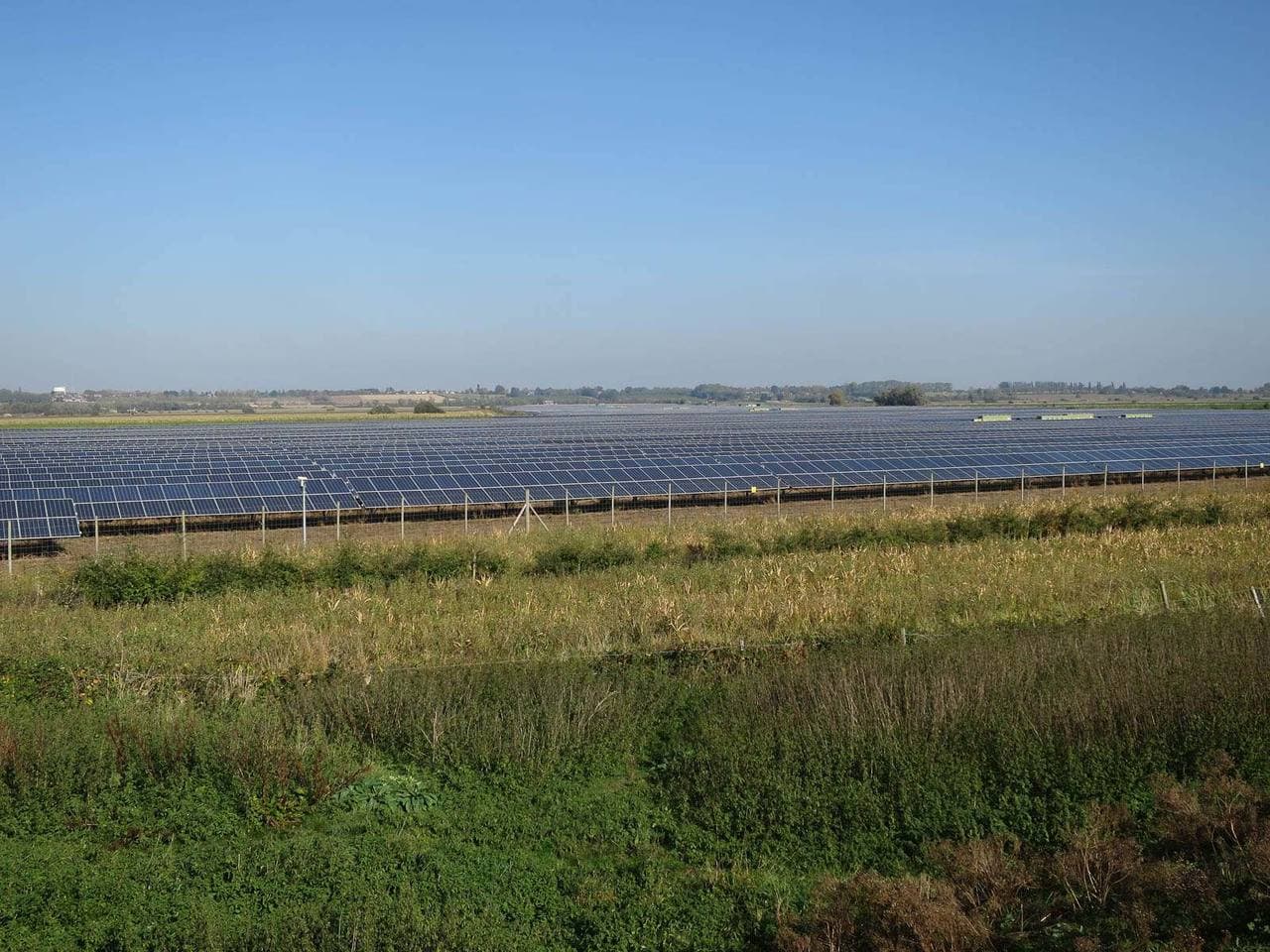
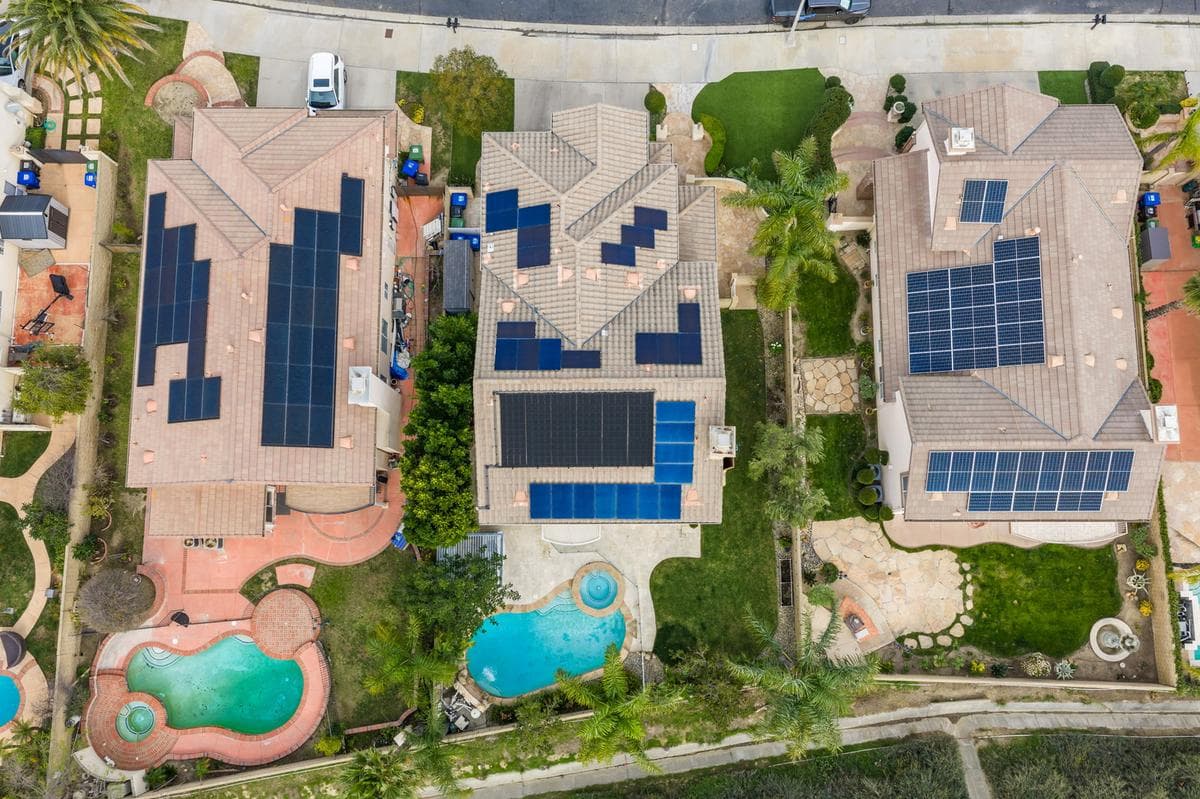
- NYSERDA announced the deployment framework on October 14, 2026 for $200 million through the state’s Sustainable Future Program, administered via the NY-Sun incentive program.
- The funding is expected to support more than 565 MW of new solar, enough to power over 90,000 homes, with energy bill savings targeted at low- and moderate-income households.
- The money comes from the FY2027 Enacted Budget under Governor Hochul; deployment begins in the coming weeks, with incentives paid when projects are completed.
New York’s NY-Sun solar incentives are about to get their biggest infusion in years. The New York State Energy Research and Development Authority (NYSERDA) announced on October 14, 2026 the deployment framework for $200 million through the state’s Sustainable Future Program, administered through the proven NY-Sun incentive framework. The funding, included in the Fiscal Year 2027 Enacted Budget under Governor Kathy Hochul, is expected to support more than 565 megawatts of new solar, enough to power over 90,000 homes, and deliver energy bill savings for low- and moderate-income households.
NYSERDA says it designed the framework after extensive outreach with solar developers, installers, and other market participants, plus analysis of project economics and deployment trends. Funding will begin to roll out in the coming weeks, with incentives paid when projects are completed: a completion-based model that rewards delivered megawatts rather than announced ones.
Where the $200 million goes
The funding splits into four tranches, each aimed at a different slice of the New York community solar market in 2026:
- Large commercial and community solar: ~$116 million for ~450 MW. Projects larger than one megawatt, enough to power more than 73,000 homes and businesses. This includes expanded incentives for Statewide Solar for All, which delivers bill savings directly to low- and moderate-income households, plus a new incentive adder for rooftop projects.
- Midsize rooftop solar: ~$31 million for ~75 MW. Commercial, governmental, and multifamily projects, mostly on rooftops, powering 12,000+ homes and businesses. These generate power where it is used, easing strain on the local grid. The funding also continues the NY-Sun Multifamily Affordable Housing Incentive, which helps owners of affordable housing cut energy costs for residents.
- Residential solar for LMI households: ~$20 million for ~40 MW. Onsite solar for low- and moderate-income homeowners, powering 6,500 homes, with resources focused on households facing the greatest economic strain.
- Flexible market funding: ~$33 million. Allotted to the sectors where demand is strongest and support is needed most, an approach NY-Sun has used successfully for the past five years.
Where the $200 million goes (NYSERDA) Tranche Funding Capacity Large commercial and community solar ~$116M ~450 MW Midsize rooftop solar ~$31M ~75 MW Residential solar for LMI households ~$20M ~40 MW Flexible market funding ~$33M n/a Total $200M >565 MW / 90,000+ homes
Rooftops, carports, and brownfields: building on the built environment
The program steers development toward land that is already developed. Both the large and midsize programs include new and expanded incentive adders for projects on carports and parking canopies, brownfields, landfills, floating systems, and agrivoltaics that pair solar with active farming while prioritizing agricultural co-use. The logic is twofold: use the built environment instead of open land, and put generation close to load. Midsize rooftop projects produce electricity right where it is consumed, which eases pressure on local distribution networks and strengthens the grid during peak demand.
How NY-Sun solar incentives fit New York’s 10 GW goal
A scale check: 565 MW is roughly 5.6% of New York’s statutory target of 10 GW of distributed solar by 2030, according to pv magazine USA’s coverage of the state’s climate mandate. That may sound modest for $200 million, until you look at what NY-Sun has already done with public money. The program has helped bring community solar to more than 1.3 million homes and businesses across the state, generated approximately $12.3 billion in private investment, and supported more than 16,000 jobs statewide, per NYSERDA. New York leads the United States in community solar. This funding flows through a machine that has already proved it can turn public dollars into deployed megawatts.
After the 30% Credit Ended: Why States Are Now the Affordability Engine
The federal backdrop makes this announcement land harder. The 30% federal residential solar tax credit (Section 25D) ended for systems completed after December 31, 2025, raising buyers’ net costs by roughly 40% overnight while equipment prices barely moved. As we reported in our guide on whether solar panels are still worth it in 2026, the economics still work for roughly a third of US households, but the households the rollback hurts most are the ones with the thinnest margins: low- and moderate-income families who cannot absorb a 40% cost jump.
That is exactly where New York’s affordable solar funding is aimed. The LMI-specific pieces (the 40 MW residential tranche, the expanded Solar for All incentives, the multifamily affordable housing incentive) target households facing the greatest economic strain and the most urgent need for lower utility bills. Community solar is the right vehicle for that mission: subscribers get bill savings with no upfront cost and no roof required, locking in electricity rates as a hedge against rising power prices. The Solar Energy Industries Association called the investment a model for how states can advance affordable clean energy, and New York has the workforce to deliver it, with NYSEIA counting more than 18,500 skilled solar workers ready to build.
“With Governor Hochul’s ongoing commitment, NY-Sun continues to be a national model for growing distributed solar in a way that is affordable and reliable for all New Yorkers. This funding delivers bill relief to the households that need it most and helps businesses lower their energy costs with rooftop projects that also strengthen the grid, providing power during peak load,” said Doreen M. Harris, NYSERDA President and CEO.
Application Details and the Interconnection Bottleneck
NYSERDA will publish application details on its website in the coming weeks, according to the agency’s announcement. Two things to watch: how fast the money actually moves. Completion-paid incentives only work if projects can clear interconnection queues, and the FY2027 budget’s utility interconnection reforms are a tacit admission that the grid-connection bottleneck is real, and whether other states copy the playbook. Private capital is already moving in parallel: energyRe just closed an $815 million financing for 360 MW of solar in South Carolina. For homeowners weighing the technology itself, our How Solar Panels Work guide covers panels, inverters, and what a system costs in 2026.