- CATL’s Naxtra cell reaches 175 Wh/kg with a claimed 10,000+ cycles, and powers the Changan Nevo A06, the first mass-production passenger car with a sodium-ion battery.
- The IEA says sodium-ion still cannot undercut lithium iron phosphate on price at current lithium prices, and sodium-ion production in 2025 was under 1% of lithium-ion output.
- New York awarded more than US$4.49 million to three sodium-based storage projects on 6 November 2026, while US home buyers still have no sodium-ion home battery to buy.
Sodium-ion batteries: rechargeable batteries that move sodium ions between electrodes instead of lithium ions. Sodium is abundant and cheap, and the cells use hard carbon anodes with aluminium collectors on both sides. The trade-off is lower energy density than lithium-ion, so a sodium-ion pack stores less energy for the same weight.
The question sodium-ion batteries explained guides keep circling is simple: when does the cheaper chemistry reach buyers, and what does it cost when it gets there. BloombergNEF’s 2025 survey puts the average lithium-ion pack at US$108 per kWh, with stationary storage packs at US$70 per kWh and lithium iron phosphate packs at US$81 per kWh. Those three numbers set the bar sodium-ion must clear, and the chemistry has not cleared it yet. What changed in 2026 is that the technology stopped being a laboratory promise. It now has a mass-production cell, a car on the road, and public money behind grid-scale trials.
The International Energy Agency, in a commentary published 17 February 2026, called 2026 a pivotal year for the technology’s scaling efforts. Sodium-ion batteries have been developed in laboratories since the early 1980s, and the first sodium-ion powered electric car appeared in China only in late 2023. CATL, the world’s largest battery maker, unveiled its Naxtra sodium-ion battery on 21 April 2025 and described it as the world’s first mass-producible sodium-ion battery. Less than a year later, on 5 February 2026, CATL and Changan unveiled the Nevo A06, the first mass-production passenger car built around a sodium-ion pack. Total sodium-ion production in 2025 was still less than 1% of lithium-ion production, according to the IEA, so the story of 2026 is a start rather than a takeover.
How a sodium-ion battery works
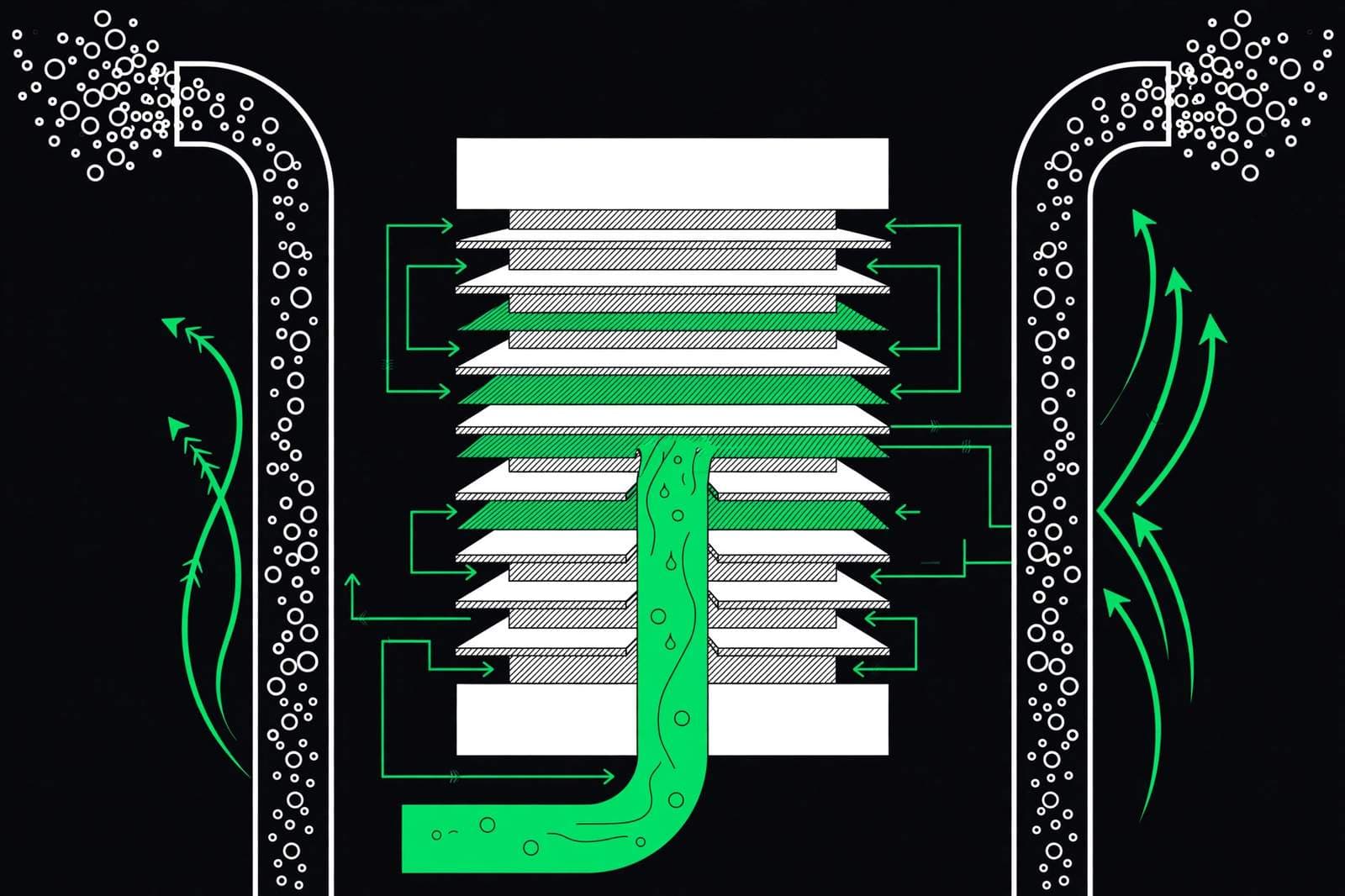
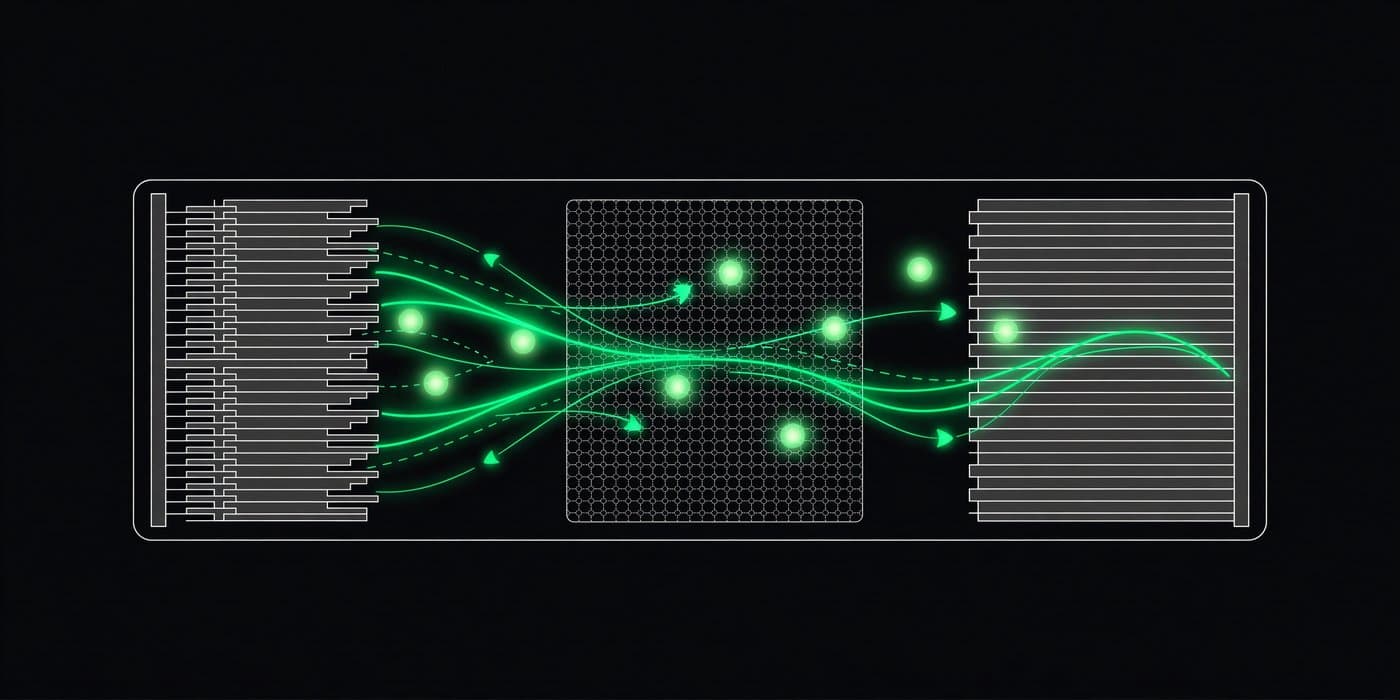
A sodium-ion battery works on the same principle as a lithium-ion battery. Charged ions shuttle between two electrodes through an electrolyte, and the direction of travel decides whether the cell charges or discharges. The difference sits in the materials. Sodium ions are larger and heavier than lithium ions, and that single fact shapes the whole design.
Graphite, the anode material in most lithium-ion cells, barely accepts sodium ions, so sodium-ion cells use hard carbon instead. Hard carbon is a disordered form of carbon with pores and gaps that give the larger ions room to lodge. The cathode is usually a layered oxide or a Prussian blue analogue built from iron and manganese, metals that cost far less than the nickel and cobalt in many lithium-ion cathodes. Both current collectors can be aluminium, where a lithium-ion cell needs copper on the anode side, because sodium does not alloy with aluminium the way lithium does. The result is a cell built from some of the cheapest and most widely available materials in the battery industry, with no lithium, no cobalt, and no nickel in most designs.
Sodium is widely available, and CATL points to sodium’s abundant reserves as the reason Naxtra reduces dependence on lithium resources. That abundance is the core of the cost case. Lithium prices doubled over the year before the IEA’s February 2026 commentary, even while sitting around 70% below their 2022 peak, and that volatility is what pushed the largest battery makers to build a second supply chain. Sodium-ion gives them a hedge: a chemistry they can switch to if lithium spikes again.
The penalty for the larger ion is energy density. The best sodium-ion cells store less energy per kilogram than the best lithium-ion cells, so a sodium-ion pack of the same energy weighs more and takes up more space. For a car, that means less range. For a home battery or a grid container, where weight barely matters, the penalty shrinks to a footnote.
Sodium-ion vs lithium-ion: the 2026 scorecard
The sodium-ion battery energy density question has a clear answer now that production cells exist. CATL rates the Naxtra passenger car cell at 175 Wh/kg and calls it the highest energy density yet achieved for a sodium-ion battery, comparable to lithium iron phosphate. That comparison matters because lithium iron phosphate, known as LFP, is the chemistry sodium-ion must beat. LFP powers most affordable electric cars and nearly all home batteries sold today.
| Measure | Sodium-ion (CATL Naxtra) | LFP lithium-ion | NMC lithium-ion |
|---|---|---|---|
| Cell energy density | 175 Wh/kg, the highest for sodium-ion in mass production | Comparable to Naxtra, slightly higher, per CATL | Higher than LFP; the density leader |
| Cycle life claim | Over 10,000 cycles claimed by CATL; the release gives no test conditions | Thousands of cycles; the established home and EV standard | Fewer cycles than LFP in typical use |
| Capacity kept at minus 40°C | Around 90% of nominal capacity (IEA, CATL) | Weakest of the three in the cold | Between LFP and sodium-ion |
| Operating range | Minus 40°C to 70°C | Narrower, with charging limits below freezing | Narrower than sodium-ion |
| Pack price, 2025 | No published pack price yet | US$81 per kWh average (BloombergNEF) | US$128 per kWh average (BloombergNEF) |
| Share of 2025 production | Under 1% of lithium-ion output (IEA) | The default chemistry for affordable EVs and home batteries | The long-range EV chemistry |
Cold weather is where sodium-ion wins clearly. The IEA says the latest sodium-ion cells can retain around 90% of nominal capacity at temperatures as low as minus 40°C, and CATL’s release says the Naxtra passenger car battery keeps 90% usable power at minus 40°C, even with only 10% charge remaining. The Nevo A06 winter tests in Yakeshi, Inner Mongolia, showed discharge power at minus 30°C nearly three times higher than a lithium iron phosphate car of the same capacity, and stable discharge down to minus 50°C. A battery that holds its power in deep cold solves a real problem for drivers in northern China, Scandinavia, and the northern United States, where winter range loss is the most common complaint about affordable electric cars.
Safety is the second clear win. CATL says Naxtra eliminates combustion-supporting factors at the material level, moving from passive defence to intrinsic safety. At the Nevo A06 launch, CATL showed the pack surviving extreme abuse tests, including multi-directional extrusion, drill penetration, and being sawn through while fully charged, with no smoke, no fire, and no explosion. The battery kept discharging after being sawn through. Those are manufacturer demonstrations rather than independent tests, and no US or European regulator has yet certified a sodium-ion car, but the chemistry has a structural safety advantage: sodium-ion cells run at lower voltages and are less prone to the thermal runaway that makes lithium-ion fires hard to extinguish.
Cost is where the story gets complicated, and the sodium-ion battery cost per kWh question has no simple answer yet. The IEA’s February 2026 commentary states it plainly: current lithium price levels are not yet high enough for sodium-ion batteries to undercut LFP costs in most applications. Sodium-ion is already cost-effective for electric vehicles and stationary storage in particularly cold climates, where its cold performance saves money on heating and oversizing, but in a mild climate the cheaper lithium cell still wins on price. That verdict cuts against years of headlines that presented sodium-ion as a straight 30% to 50% cheaper alternative. The raw materials are cheaper, but the factories are new, volumes are small, and the hard carbon anode supply chain is thin and concentrated in China.
What the US$70 per kWh stationary benchmark means for home storage
BloombergNEF’s 2025 Lithium-Ion Battery Price Survey, published 9 December 2025, gives the numbers that frame the home storage decision. The volume-weighted average lithium-ion pack price fell 8% from 2024 to a record low of US$108 per kWh. Battery electric vehicle packs averaged US$99 per kWh, the second straight year below US$100. LFP packs averaged US$81 per kWh across all segments, while nickel manganese cobalt packs averaged US$128 per kWh. The sharpest move came in stationary storage, where pack prices dropped 45% in a single year to US$70 per kWh, making storage the cheapest lithium-ion segment for the first time. Evelina Stoikou, head of BNEF’s battery technology team, said: “Cut-throat competition is making batteries cheaper every year.”
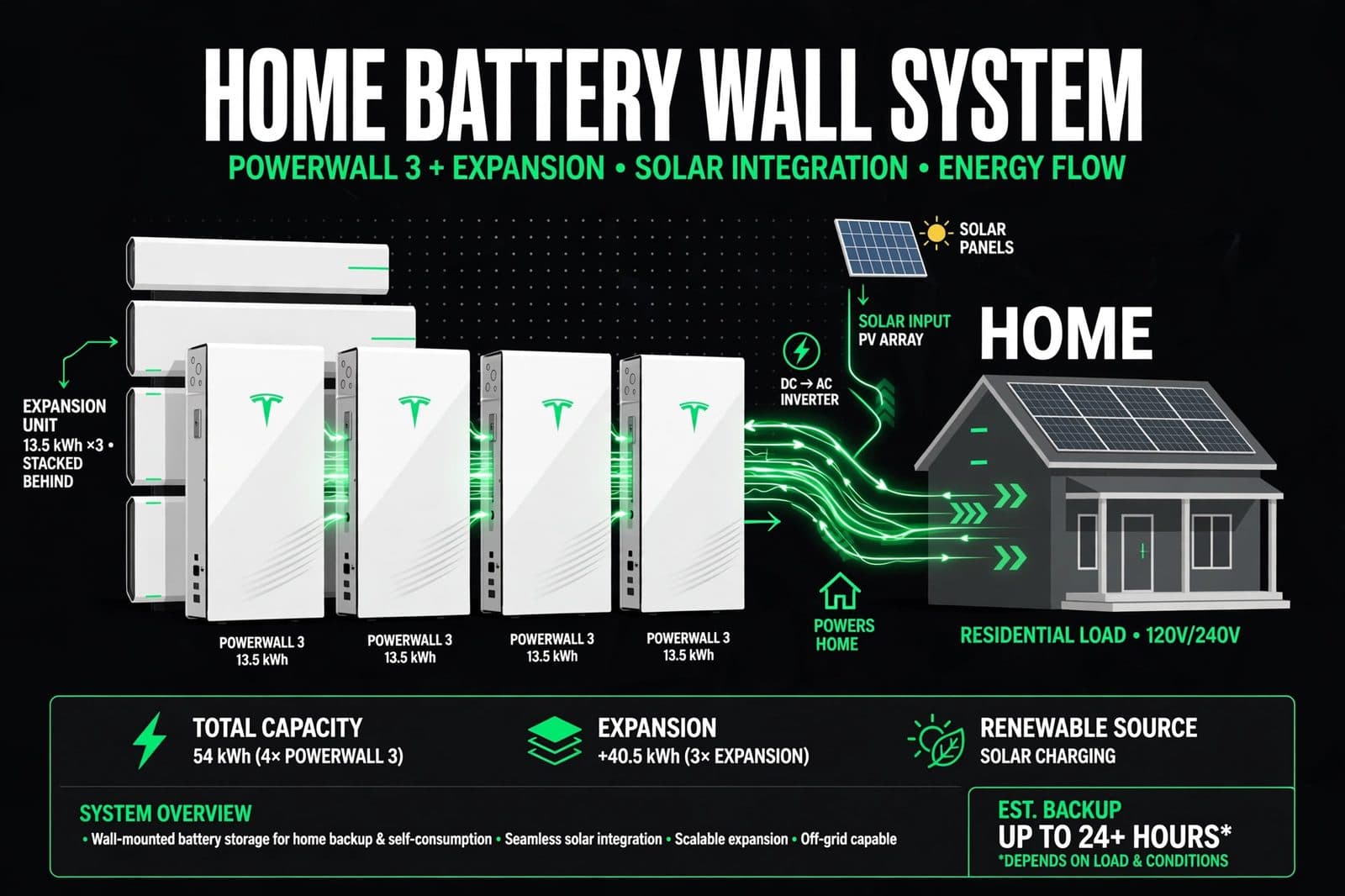
Those prices reframe the sodium-ion pitch. A sodium-ion home battery must beat US$70 per kWh at the pack level to undercut the cheapest lithium-ion storage on the market today, rather than the US$108 average. The gap between the stationary benchmark and the LFP average is only US$11 per kWh. On a 10 kWh home battery, that gap is US$110 of pack cost. On a 13.5 kWh system, the size of the most popular home batteries, it is US$149. The arithmetic below uses BloombergNEF’s 2025 pack prices, covers the pack only, and leaves out the inverter, installation, and retail markup, which are the same for either chemistry.
| Home pack size | At US$70 per kWh (stationary benchmark) | At US$81 per kWh (LFP average) | Gap |
|---|---|---|---|
| 10 kWh | US$700 | US$810 | US$110 |
| 13.5 kWh | US$945 | US$1,094 | US$149 |
| 20 kWh | US$1,400 | US$1,620 | US$220 |
Two conclusions follow. First, the prize for sodium-ion in home storage is real but small in absolute dollars per household. A sodium-ion pack would need to sell well below US$70 per kWh to change a buying decision, because the pack is only part of an installed system that costs several thousand dollars once the inverter, wiring, and labour are counted. Second, the prize grows with scale. On a 100 MWh grid battery, the same US$11 per kWh gap is US$1.1 million, which is why developers and state agencies are funding sodium-ion for the grid before anyone offers it for the garage.
Cycle life is the other half of the cost calculation, and it is where CATL’s 10,000-cycle claim does its heaviest work. A battery cycled once a day reaches 10,000 cycles after 27.4 years, longer than the service life of the inverter it would pair with and longer than most homeowners stay in one house. Even if the claim proves optimistic and the real figure is half that, 5,000 daily cycles is 13.7 years of daily use. The release gives no test conditions for the cycle figure, so the depth of discharge and temperature behind it are unknown, and the claim is unverified by any independent laboratory. What the number does establish is the direction of the technology: sodium-ion cells are built to cycle far more often than the use case requires, which removes cycle life as a buying objection even before the price falls.
The sodium-ion vs lithium home battery comparison therefore turns on timing and climate. In a mild climate, a lithium iron phosphate home battery bought today is cheaper, available from multiple brands, and supported by installers. In a cold climate, or for a buyer who cycles a battery daily for solar self-consumption and arbitrage, sodium-ion’s cold performance and cycle claims are worth waiting for, if the price lands below the stationary benchmark. The technology’s first job is to prove it can manufacture at volume. Until it does, the US$70 per kWh benchmark keeps moving down under it.
The first mass-market sodium-ion car reaches the road
On 5 February 2026, Changan Automobile and CATL unveiled the Nevo A06, known as the Qiyuan A06 in China, at an event in Yakeshi, Inner Mongolia. The sedan carries a 45 kWh CATL Naxtra pack and promises more than 400 km of driving range on China’s CLTC test cycle. Changan said the car would reach the market in mid-2026, and that its Avatr, Deepal, Nevo, and Uni brands would progressively adopt Naxtra batteries. CATL calls Naxtra the world’s first mass-producible sodium-ion battery, and the company said the cell’s 175 Wh/kg is the highest among sodium-ion batteries worldwide.
The arithmetic of the car is worth a closer look. A 45 kWh pack built from 175 Wh/kg cells carries about 257 kg of cells, before the casing, cooling, and management hardware. The same 45 kWh in an LFP pack of comparable density weighs roughly the same, which is the point: at the cell level, sodium-ion has closed the weight gap with the cheapest lithium chemistry. The range tells the other half of the story. The same Nevo A06 with a lithium-ion battery is rated at up to 630 km on the same CLTC cycle, so the sodium-ion version gives up about a third of its range. In mild weather that is a real compromise. In minus 30°C weather, where lithium-ion range often falls by half, the sodium-ion car’s retained capacity closes much of that gap.
CATL’s ambitions run past one sedan. The company said pure electric ranges for sodium-ion cars could extend to 500 km or even 600 km as the cell improves. The Nevo A06 matters as the first car a buyer can order with this chemistry. It proves the supply chain works, the safety certification is achievable, and the cold-weather performance survives contact with a real vehicle.
New York puts US$4.49 million behind sodium storage
The United States has no sodium-ion car on sale and no sodium-ion home battery from a major brand, but public money is moving. On 6 November 2026, the New York State Energy Research and Development Authority announced nearly US$13 million in awards to 15 energy storage projects through its Power Generation and Storage Innovation program. Three of the awards went to sodium-based technologies, adding up to more than US$4.49 million: Inlyte Energy received over US$2.4 million to deploy a more than 10-hour iron-sodium battery at a substation, Standard Potential received US$1.8 million to design, prototype, and certify a sodium-ion portable power station, and Alsym Energy received over US$290,000 to design and test a 10-kWh prototype sodium-ion battery system with the Rochester Institute of Technology’s Battery Development Center.
The distinction between the three matters. Inlyte’s iron-sodium battery is a sodium metal chloride design, a different chemistry from the sodium-ion cells in the Nevo A06, built for long-duration grid storage rather than cars or homes. Standard Potential’s portable power station and Alsym’s 10-kWh prototype are closer to the home market, but both remain development projects. NYSERDA President and CEO Doreen M. Harris said: “Investing in next-generation energy storage technologies is critical to building a flexible and resilient grid that can make the most of our diverse energy resources.” The awards are research and demonstration funding, and the projects they fund will take years to reach retail shelves, if they reach them at all. For the full picture of the awards, see our report on the NYSERDA storage awards.
That timeline is the honest answer to the most common question about this technology. The grid gets sodium-ion first, in substations and portable power stations, because grid buyers care about duration, safety, and cost per cycle rather than weight. Cars come second, starting with affordable models in cold markets. Home batteries come last, because a home battery must be cheap, certified, stocked by distributors, and supported by local installers, and none of that infrastructure exists for sodium-ion yet.
When will sodium-ion batteries be available
The short answer is that they already are, in one country and one car. The Changan Nevo A06 was unveiled in February 2026 for a mid-2026 market launch in China, and CATL has said its brands will adopt the battery progressively. No US launch date has been announced for a sodium-ion car, and no major manufacturer sells a sodium-ion home battery in the United States. For American buyers, the realistic sequence runs through the grid first: NYSERDA-funded prototypes in 2026 and 2027, commercial stationary products from CATL and its partners after that, and home products only once the stationary supply chain proves it can deliver at volume.
Three milestones would change that sequence. The first is a published sodium-ion pack price below the US$70 per kWh stationary benchmark, which would give installers a reason to stock the chemistry. The second is a US or European safety certification for a sodium-ion home battery, which would let it into the same sales channels as lithium-ion. The third is a second large manufacturer reaching mass production outside China, which would break the current concentration: the IEA notes that sodium-ion manufacturing capacity is heavily concentrated in China, and its February 2026 commentary records that the first sodium-ion storage system was installed in China in 2019, years before any Western deployment. Until at least one of those milestones lands, the sensible way to follow the technology is through the grid-scale announcements.
Buy a home battery now or wait for the sodium one
For most homeowners, the answer is to buy the lithium iron phosphate battery now. The reasons are practical: LFP home batteries are available today from multiple brands, their pack price has fallen to a US$81 per kWh average, and installers know how to fit and service them. A 13.5 kWh LFP system bought in 2026 will store solar power, carry a home through an evening peak, and still be working when the first sodium-ion home batteries reach the market. Waiting saves nothing if the alternative does not exist yet, and the US$110 to US$149 pack-level saving a sodium-ion system might eventually offer is small against the value of a year of solar self-consumption. Our battery energy storage guide covers how to size a home system and what the components cost.
Three groups have a real reason to wait. The first is buyers in cold climates who cycle a battery hard every day, where sodium-ion’s cold retention and cycle claims address the two weaknesses of LFP. The second is buyers planning a system for 2028 or later, by which time the first commercial sodium-ion home products may exist. The third is anyone buying at grid scale, where the per-kWh gap is worth millions. Everyone else should treat sodium-ion as a technology to watch while buying the battery they need today. Cycle life matters for cars too, and our data on how long EV batteries last shows what daily cycling does to a pack over a decade.
Frequently asked questions
Buy a home battery, or wait for the sodium one?
Buy the lithium iron phosphate battery now, unless you live in a cold climate and cycle daily, or your purchase is planned for 2028 or later. Sodium-ion home batteries have no US launch date, no published pack price below the US$70 per kWh stationary benchmark, and no installer network. A home battery bought today starts saving money immediately, and the pack-level saving sodium-ion might eventually offer is about US$110 on a 10 kWh system.
Are sodium-ion batteries safe?
Sodium-ion cells are safer than lithium-ion cells by design. They run at lower voltages, use no lithium or cobalt, and are less prone to thermal runaway. CATL demonstrated a Naxtra pack surviving drill penetration, extrusion, and being sawn through while fully charged, with no smoke, no fire, and no explosion. Those are manufacturer demonstrations. No Western regulator has certified a sodium-ion car yet.
How long do sodium-ion batteries last?
CATL claims its Naxtra battery can achieve over 10,000 cycles, which at one cycle a day is 27.4 years. The company’s release gives no test conditions for that figure, so the depth of discharge and temperature behind it are unknown. Even at half the claimed figure, 5,000 daily cycles is 13.7 years of use, which covers the service life of the inverter a home battery pairs with.
Will sodium-ion batteries replace lithium-ion batteries?
Not across the board. The IEA expects sodium-ion to suit small-range electric cars, light commercial vehicles in cities, two- and three-wheelers, industrial equipment, and stationary storage. Long-range and premium cars will keep lithium-ion because of its higher energy density, and lithium iron phosphate will keep the affordable EV segment until sodium-ion undercuts it on price. Sodium-ion is a second chemistry for the jobs where weight matters least.
When will sodium-ion batteries be available in the US?
There is no announced date. The first mass-production sodium-ion car, the Changan Nevo A06, launched in China in 2026, and New York’s NYSERDA funded three sodium-based storage projects in November 2026, but those are research and demonstration awards. Watch for a published pack price below US$70 per kWh and a US safety certification: those are the milestones that precede a home product.
Sources
- Naxtra Battery Breakthrough and Dual-Power Architecture: CATL Pioneers the Multi-Power Era, CATL via PR Newswire, 21 April 2025
- Sodium-ion battery momentum grows, but challenges remain, International Energy Agency, 17 February 2026
- Lithium-Ion Battery Pack Prices Fall to $108 Per Kilowatt-Hour, Despite Rising Metal Prices, BloombergNEF, 9 December 2025
- Changan and CATL unveil world’s first mass-produced sodium-ion passenger EV, CarNewsChina, 5 February 2026
- $13 Million Awarded To Advance Innovative Energy Storage Technologies In New York State, NYSERDA, 6 November 2026