- Sunrun reached 5 GWh of networked storage across more than 284,000 solar-plus-storage systems by the end of September 2026.
- Third-quarter solar installations fell 15% year over year to 204 MW, and storage installations fell 9% to 374 MWh.
- Revenue rose 52% to nearly US$1.1 billion, while full-year cash generation guidance narrowed to about US$200 million.
The Sunrun Q3 2026 revenue line hides a split that explains the whole quarter. Energy systems and product sales reached US$546.0 million, up 134% from a year earlier. Customer agreements and incentives grew 13% to US$553.5 million. Product sales supplied almost half of the quarter’s total, and the company reported US$153.2 million of net income, or US$0.56 per diluted share. The growth came from selling more hardware outright, a shift that lifts the top line fast and changes the mix of cash the business collects.
Sunrun, the largest residential solar and storage provider in the United States, reported the results on 4 November 2026 for the quarter ended 30 September 2026. Solar capacity installed in the quarter totalled 204 MW, down 15% from the same quarter of 2025, and storage capacity installed totalled 374 MWh, down 9%. The company had installed more than 284,000 solar and storage systems by the end of September, representing about 5.0 GWh of networked storage capacity.
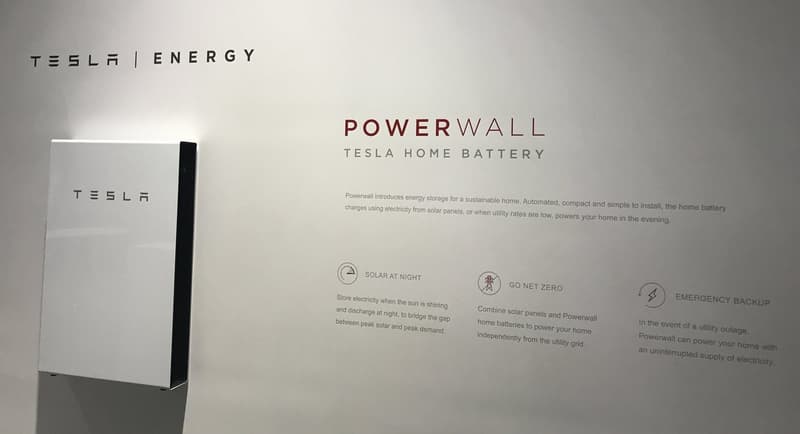
Sunrun Q3 2026 storage averages 17.6 kWh per home system
Simple division of the headline totals gives the size of a typical Sunrun system. The 5.0 GWh of networked storage spread across more than 284,000 systems averages 17.6 kWh per system, by Joule Post arithmetic. That figure is a fleet-wide average, mixing newer systems with larger batteries and older systems with smaller ones, so it describes the fleet as a whole rather than any single installation.
The quarter also marked a sequential rebound from the first half of the year. Solar installations rose from 174.3 MW in the second quarter to 204 MW in the third, a gain of 17.0% by Joule Post arithmetic, while storage installations rose from 332 MWh to 374 MWh, a gain of 12.7%. The year-over-year comparison still points down: the 15% solar decline implies about 240 MW installed in the third quarter of 2025, and the 9% storage decline implies about 411 MWh a year earlier, both by Joule Post arithmetic from the reported percentage changes.
Three of every four new Sunrun customers now add storage. The Sunrun storage attachment rate reached 75% in the third quarter, the highest in company history, up from 70% in the same quarter of 2025 and 74% in the second quarter of 2026. Chief executive Mary Powell said: “Sunrun has returned its direct business to growth, with installations increasing 9% year-over-year. Sunrun is the nation’s largest Residential Independent Power Producer. We hit a 75% attachment rate of storage assets, the highest in our history. The need for affordable, reliable power has never been more evident, and our storage-first offering is meeting it. We are positioning the business for strong growth, bringing on some of the best talent in the industry and scaling deliberately, with a focus on customer experience and asset quality.” How home batteries store solar power for evening use is covered in Joule Post’s storage explainer: Battery Energy Storage Explained.
| Sunrun metric | Q3 2026 | Q2 2026 | Q3 2025 |
|---|---|---|---|
| Solar capacity installed | 204 MW | 174.3 MW | About 240 MW (implied) |
| Storage capacity installed | 374 MWh | 332 MWh | About 411 MWh (implied) |
| Storage attachment rate | 75% | 74% | 70% |
| Total revenue | US$1,099.5 million | Not disclosed in the release | US$724.6 million (implied) |
The implied year-earlier figures in the table come from Joule Post arithmetic on the reported percentage changes: the 15% solar decline and 9% storage decline against the reported third-quarter totals, and the US$374.9 million revenue increase reported in the release.
Three record grid dispatches in five weeks
In September, Sunrun contributed more than 320 MW, or 56%, to a 580 MW residential distributed power plant dispatch event, which the company described as the largest in history. On 5 October it contributed more than 400 MW, or 61%, to a 669 MW event, and on 6 October more than 430 MW, or 58%, to a 745 MW event. The three events, all described by Sunrun as records, show the fleet acting as a single dispatchable resource rather than as hundreds of thousands of separate home systems.
The dispatch figures matter because they convert installed storage into grid services. A fleet that can deliver 430 MW on call gives grid operators a resource comparable in size to a mid-sized gas peaking plant, built from home batteries rather than a single site. Powell said the company aims to find new ways to monetise the network it has built, from distributed power plant programmes to emerging data centre and grid-edge applications, creating new streams of cash generation.
Sunrun narrows 2026 cash target to about US$200 million
Cash generation was US$6 million in the quarter, or US$56 million excluding US$50 million of net investments in equipment safe-harbour activities. Chief financial officer Danny Abajian said: “Q3 marked an important inflection point as we returned to growth in our direct business and expanded our Upfront Net Subscriber Value margins considerably. We delivered $56 million in Cash Generation in Q3, excluding investments in equipment for safe harbor activities, and expect higher Cash Generation in Q4 resulting in full-year Cash Generation of approximately $200 million.”
For the full year, Sunrun now expects cash generation of approximately US$200 million, excluding safe-harbour investments, against prior guidance of US$200 million to US$375 million. The new figure sits at the bottom of the old range. Aggregate subscriber value guidance also narrowed to about US$4.6 billion from US$4.6 billion to US$4.9 billion. Subscriber value per customer rose 6% to US$55,342, while net subscriber value fell 28% to US$9,462 from US$13,205 a year earlier, and aggregate subscriber value of about US$1.3 billion fell 20% year over year.
The tension in the quarter is clear: installations in the direct business returned to growth, up 9% year over year according to Powell, while total installations still fell against 2025. The next data points are fourth-quarter installations, the higher cash generation Abajian expects in the fourth quarter, and whether the storage attachment rate holds above 75% as the company scales. Readers comparing home battery options can use the Powerwall 3 expansion data in Joule Post’s guide: Tesla Powerwall 3 Expansion Packs Add 13.5 kWh Each for $5,900 in Hardware. How rooftop panels generate power is covered in How Solar Panels Work.