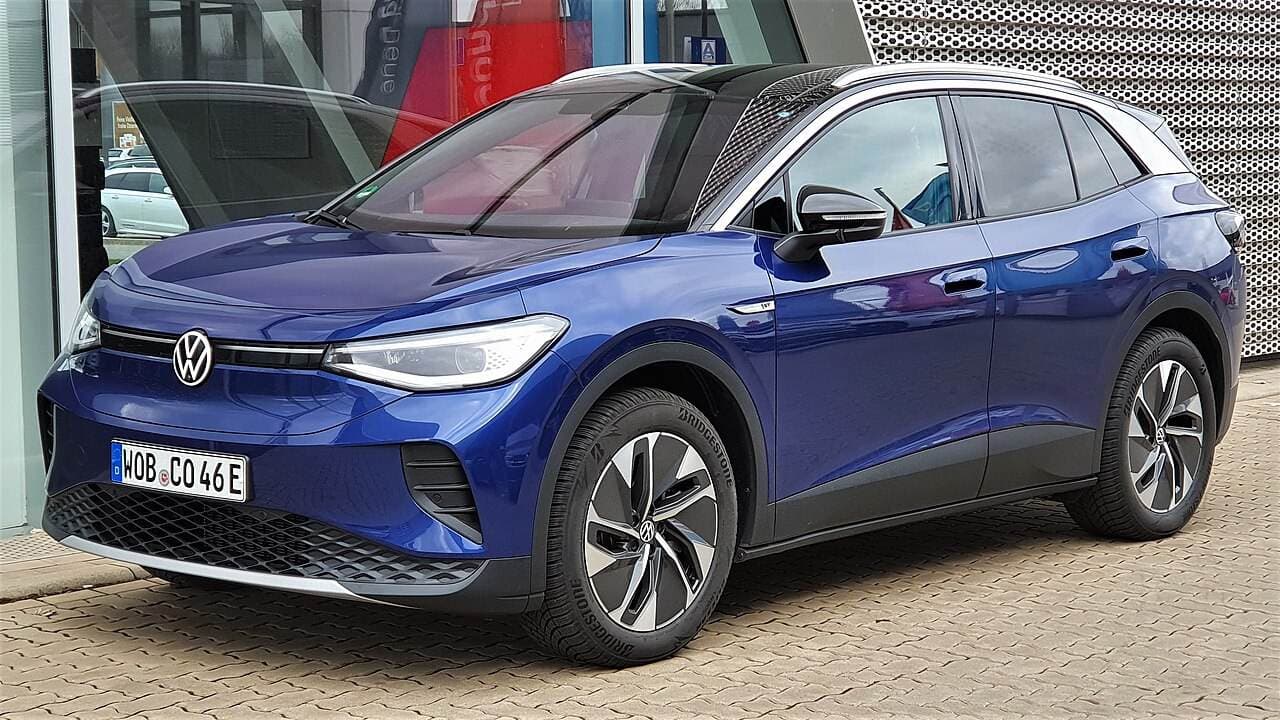
- Volkswagen unveiled the all-electric ID. Tiguan on 9 October 2026. It replaces the ID.4 and ID.5 — more than 950,000 of which have been delivered since 2021 — with first customer deliveries in early 2027.
- Three versions: a 450-km LFP entry model, a 600-km NMC flagship and a 560-km all-wheel-drive, priced from €42,695 in Germany. European pre-sales open on 13 October 2026.
- Physical buttons and rocker switches return, ending the much-criticised touch-only ID.4 interiors. The SUV is built at Emden, Germany, on the updated MEB+ platform.
Volkswagen has unveiled the Volkswagen ID. Tiguan, an all-electric SUV rated at up to 600 km of WLTP range that will replace the ID.4 and ID.5 from early 2027. Shown on 9 October 2026, the new model retires the ID. numbering scheme on the brand’s volume electric SUV and attaches one of Volkswagen’s best-selling nameplates to a battery-electric car for the first time.
More than 950,000 ID.4 and ID.5 vehicles have been delivered since the ID.4 launched in 2021, making the outgoing pair the backbone of Volkswagen’s electric range. The ID. Tiguan will be built at the Emden plant in Germany on the updated MEB+ platform, while the petrol, diesel and hybrid Tiguan continues at Wolfsburg — the two Tiguans sold side by side, an arrangement that mirrors how the industry is managing the combustion-to-electric transition.
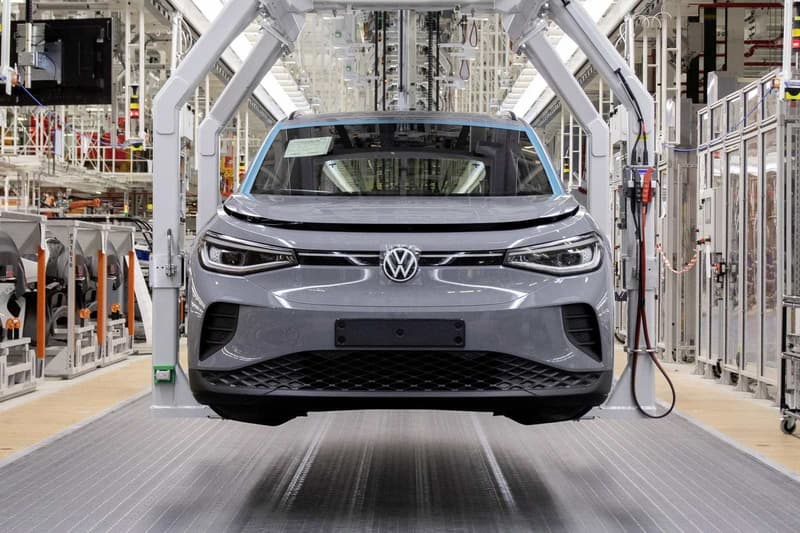
Volkswagen ID. Tiguan specifications: three versions, up to 600 km of range
The launch line-up spans three powertrain combinations, each pairing a different battery chemistry with a different mission:
- 140 kW (190 PS) rear-wheel drive with a 58 kWh LFP battery — 450 km WLTP;
- 210 kW (286 PS) rear-wheel drive with a 77 kWh NMC battery — 600 km WLTP;
- 220 kW (299 PS) all-wheel-drive 4MOTION with the 77 kWh pack — 560 km WLTP.
DC fast charging peaks at 105 kW on the smaller battery and 165 kW on the larger one, with 10–80% charges taking 26 and 29 minutes respectively; AC charging is 11 kW. The LFP-versus-NMC split follows the industry’s standard division of labour — cheaper, longer-lived lithium iron phosphate for the entry car and energy-dense nickel manganese cobalt for the long-range flagship. For a fuller explanation of the trade-offs between the chemistries, see Joule Post’s guide to LFP, NMC and sodium-ion battery chemistries.
Inside, there is a 15-inch central touchscreen, a 10-inch digital instrument cluster and an optional 12-inch passenger display. Practicality figures are strong for the class: a 534-litre boot plus a frunk, towing capacity of up to 2,000 kg, one-pedal driving and optional vehicle-to-load through the PowerSocket feature, which lets the car power external devices.
Charging hardware is correspondingly current: the larger battery’s 165 kW peak keeps 10–80% stops under half an hour, while the 105 kW ceiling on the entry car reflects its smaller pack rather than cost-cutting on the charging curve. Both cars support 11 kW AC charging for home and workplace top-ups — the charging profile that will still do most of the work for a family SUV.
Real steering-wheel buttons are back, alongside rocker switches for climate and volume — and, at last, four individual window switches for the driver. The touch sliders and capacitive controls that defined the ID.4’s cabin, and drew years of sustained criticism from owners and reviewers, are gone.
This is a design admission of unusual candour. Volkswagen is explicitly undoing a signature feature of its first-generation EVs because customers rejected it, and the reversal says as much about how legacy carmakers are learning to build electric cars as any range figure does. Where the ID.4 chased novelty in its cabin, the ID. Tiguan is being designed around usability — a quieter, more consequential shift than the extra kilometres.
Price, pre-sales and Emden production
German pricing starts at €42,695, with European pre-sales opening on 13 October 2026 and first customer deliveries scheduled for early 2027. Building the car at Emden — Volkswagen’s dedicated EV plant in northern Germany — places the ID. Tiguan at the centre of the brand’s European electric production footprint.
The timing lands in a European market where electric sales are growing on the back of more affordable models, as Joule Post’s coverage of Europe’s 2026 EV sales record detailed. Volkswagen is not launching a halo car here; it is launching its volume play, and pricing it accordingly. The entry price sits in the heart of the European family-SUV market rather than in premium territory — exactly where Volkswagen needs to compete if the ID. Tiguan is to convert existing Tiguan buyers rather than preach to the already-converted.
Why it matters
Two decisions define this launch, and neither is really about the car. The first is the name. Volkswagen is retiring its ID. numeric branding on its highest-volume EV and putting its best-selling nameplate on the vehicle instead — a mainstreaming signal and a tacit admission that “ID.4” never worked as a consumer brand. The future of the electric Tiguan is simply the Tiguan.
The second is the 600 km headline range figure. The outgoing ID.4’s best published WLTP rating was around 519 km, which puts the new car roughly 16% ahead — a meaningful lift delivered through MEB+ platform updates and the larger 77 kWh pack rather than any battery-chemistry breakthrough. Incremental, in other words, but pointed in the right direction: longer range, familiar controls, a name people already know.
With Tiguan and Tayron deliveries topping one million over the past year, this is the biggest single EV bet Volkswagen has yet placed in Europe. The unveiling coverage from Just Auto and moto+match frames it as a straight successor story; the more interesting reading is that it marks the end of Volkswagen’s first, awkward electric era — the era of numbers instead of names and sliders instead of switches — and the start of one built around the things drivers actually asked for.