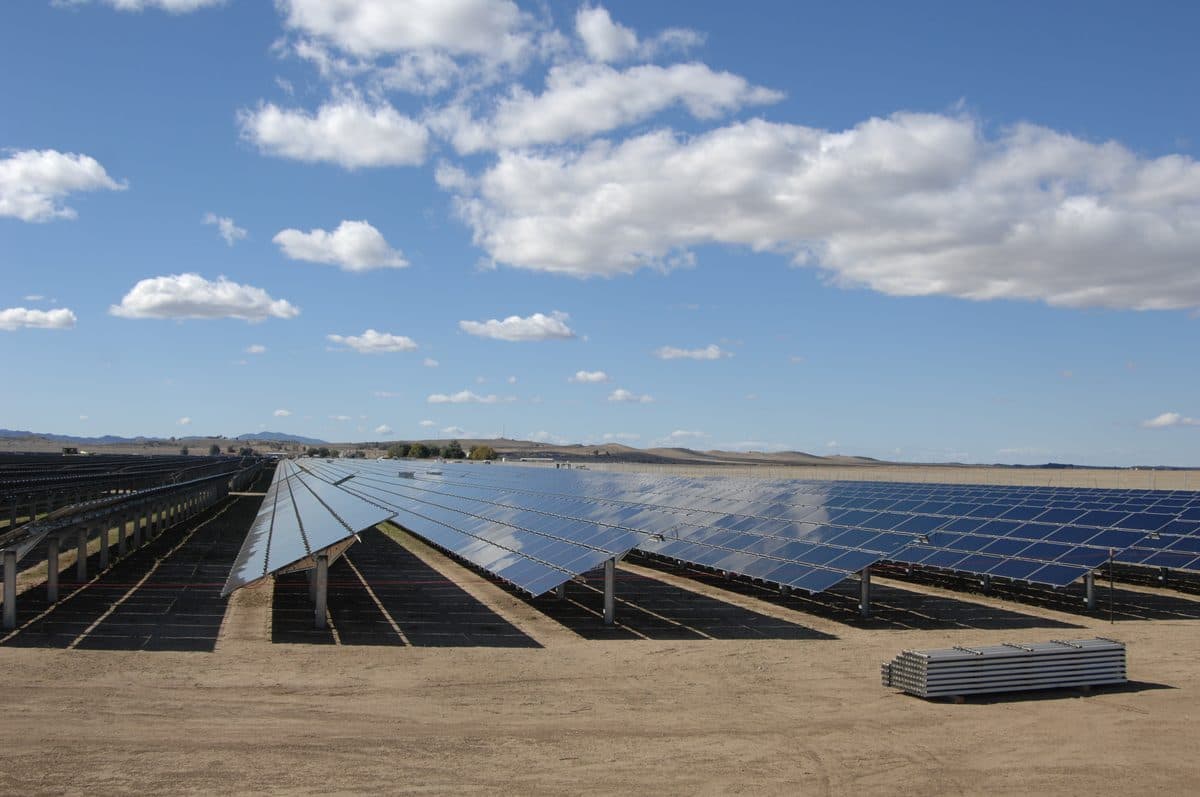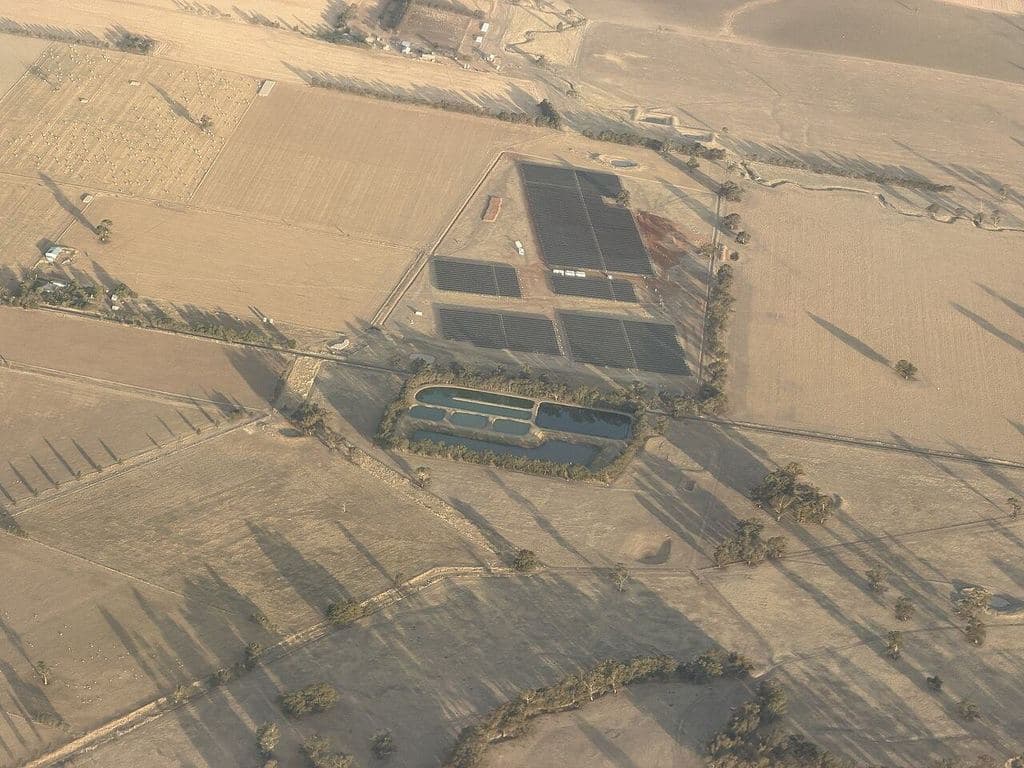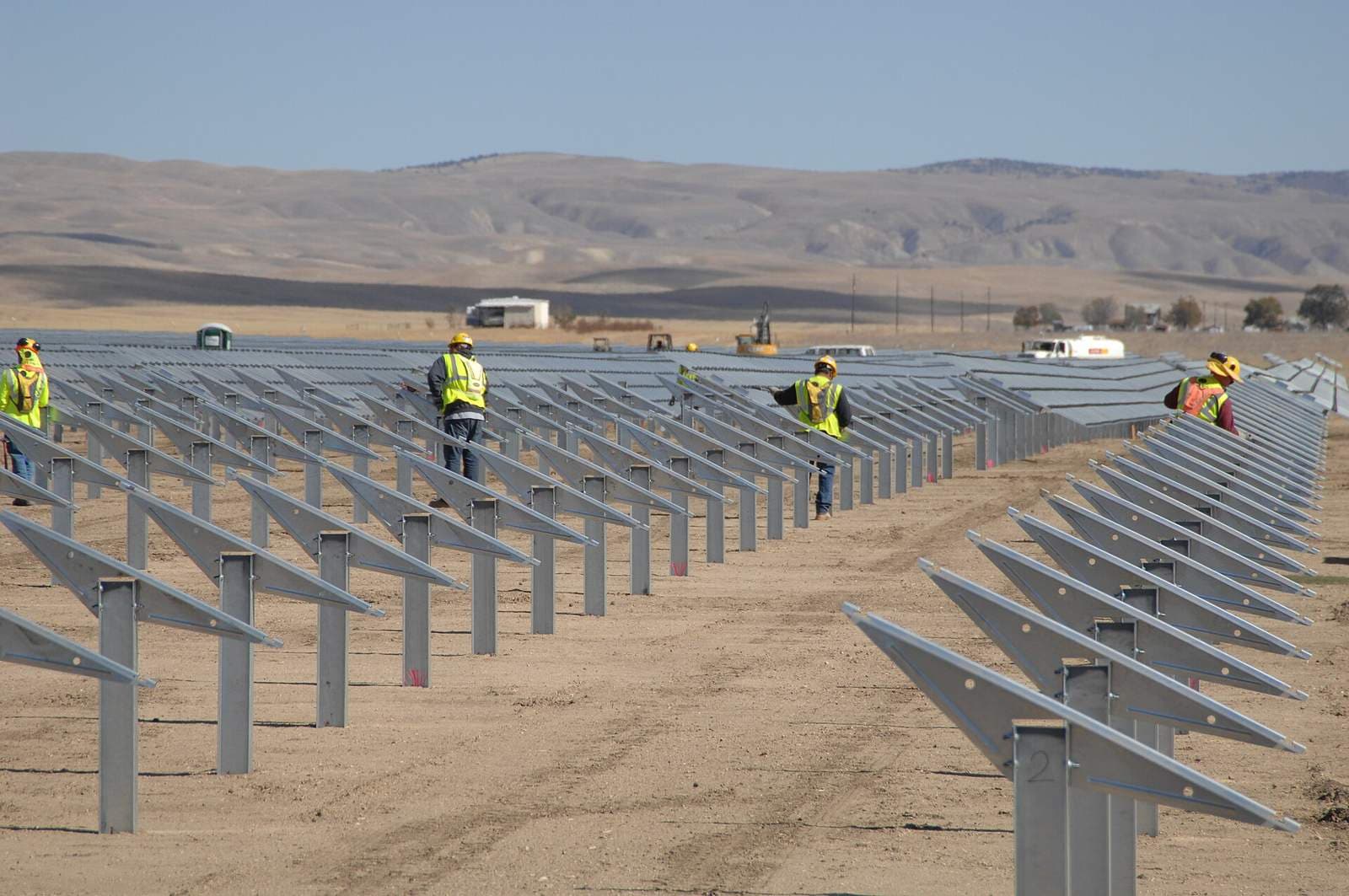
- PG&E signed 20-year power purchase agreements for Buttonbush 1A and 1B in western Kern County: 800 MW of solar generation with 3,200 MWh of battery storage.
- The 3,200 MWh of storage paired with 800 MW of solar works out to a four-hour battery, the standard duration for California’s grid-scale fleet.
- The project carries an estimated US$3 billion investment and about 900 union construction jobs, with construction starting in 2027 and commercial operations in 2029, subject to California Public Utilities Commission approval.
The deal is large in a way that the headline numbers only partly capture. Eight hundred megawatts of solar with 3,200 megawatt-hours of storage is one of the biggest solar-plus-storage offtake agreements in California to date, and it lands in a county that is becoming the centre of the state’s build-out. Avantus, the developer, will own and operate the project as an independent power producer. The agreements run for 20 years, and they still need approval from the California Public Utilities Commission before they take effect.
The arithmetic of the project is what makes it a useful marker for where California’s grid is heading. Divide 3,200 megawatt-hours by 800 megawatts and the battery duration is four hours. That is the standard for California’s battery fleet, which the California Energy Commission says is dominated by four-hour systems, against two hours or less for a typical Texas battery. A four-hour battery charged by afternoon solar can carry the grid through the evening peak, when demand rises and the sun sets. That evening window is the problem California’s storage build-out exists to solve, and Buttonbush is a textbook four-hour build at very large scale.
800 MW of solar, 3,200 MWh of storage, and a 4-hour battery
The two phases, Buttonbush 1A and 1B, are the initial phases of the Buttonbush Solar Center in western Kern County. Together they will generate enough electricity to power about 381,000 homes each year, according to the Avantus announcement of 17 November 2026. The full centre could grow to 2,000 megawatts AC if fully realised, according to Renewables Now, which would put it among the largest solar centres in the United States.
The scale is easier to judge against Avantus’s own neighbouring project. Aratina 1, a 200 MW solar project with 500 MWh of storage in the same county, entered commercial operation in July 2026. Buttonbush is four times the solar capacity and 6.4 times the storage of Aratina 1. Aratina 2, at 150 MW of solar and 452 MWh of storage, is under construction next door. Three projects from one developer, in one county, in the space of three years, is what a build-out looks like when it stops being a series of one-offs and becomes a pipeline.
| Project | Solar capacity | Battery storage | Battery duration | Status |
|---|---|---|---|---|
| Buttonbush 1A and 1B | 800 MW | 3,200 MWh | 4 hours | PPAs signed 17 Nov 2026; construction 2027; operations 2029 |
| Aratina 1 | 200 MW | 500 MWh | 2.5 hours | Commercial operation since July 2026 |
| Aratina 2 | 150 MW | 452 MWh | 3 hours | Under construction |
| Buttonbush full centre | Up to 2,000 MWac | Not disclosed | Not disclosed | Planned, if fully realised |
What the US$3 billion covers
The estimated US$3 billion investment invites a misleading calculation. Divide US$3 billion by 800 MW of solar and the result is about US$3.75 million per megawatt, which looks far above the cost of building solar alone. Our utility-scale solar cost guide puts solar construction at US$0.69 million to US$1.71 million per megawatt in 2026. The gap is the point: the US$3 billion covers the solar array, the 3.2 gigawatt-hours of batteries, the grid connection, and the interconnection work, not the panels alone. Presenting US$3.75 million per megawatt as a solar cost would be wrong by a factor of two or more.
The investment also buys local revenue. Avantus estimates the project will generate hundreds of millions of US dollars in local property tax revenue over its operating life, and about 900 union construction jobs plus permanent operations and maintenance jobs. The site sits on water-stressed farmland, and the long-term leases give farmers stable revenue while preserving groundwater, according to the announcement. That framing matters in Kern County, where solar development competes with agriculture for land and water, and where a project that keeps farmers paid and groundwater in the ground faces less local opposition than one that does not.
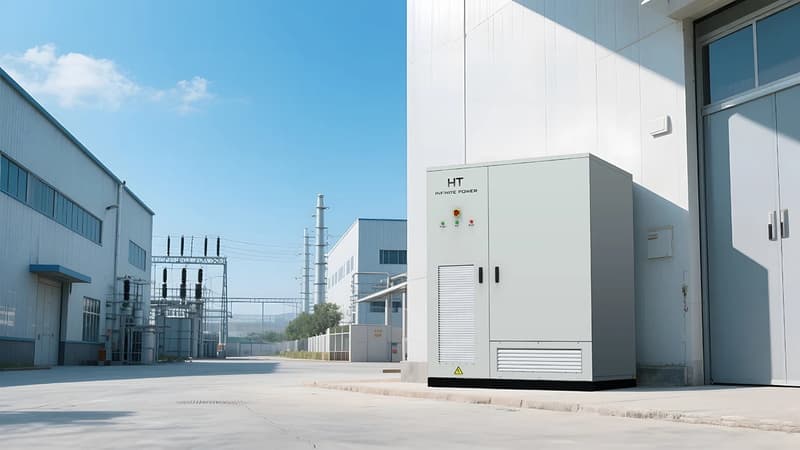
California’s battery fleet passed 21,112 MW in August 2026
Buttonbush arrives into a grid that has changed fast. California’s battery storage capacity reached 21,112 MW in August 2026, up from less than 700 MW when Governor Newsom took office in 2019, an increase of about 2,500% in roughly seven and a half years, according to the California Energy Commission. About 16,000 MW comes from 310 utility-scale systems inside the state, about 2,000 MW sits in Nevada and Arizona serving California’s grid operator, and about 3,000 MW comes from more than 300,000 smaller systems. The state estimates it needs more than 52,000 MW of battery and long-duration storage by 2045 and is about 41% of the way there.
The generation mix has shifted with it. Solar surpassed natural gas in California’s first-half-2026 generation mix, with solar use up 22% and gas use down 51% against the first half of 2024, according to the same commission. That is the context in which a 3.2 gigawatt-hour battery makes sense: California now has enough solar to need somewhere to put the afternoon surplus, and the evening peak is the gap that storage fills. Long-duration storage is the next step beyond four-hour batteries, and pairing solar with batteries at the same site has become the default way new projects are built.
The CPUC approval still to come
The agreements are subject to approval by the California Public Utilities Commission, and that approval is the next step that decides whether the 2027 construction start holds. The commission reviews power purchase agreements for cost, need, and consistency with state procurement rules, and large agreements of this kind usually draw scrutiny over the price PG&E customers will pay. Avantus and PG&E have not disclosed the price.
The timing of the project is tied to the grid’s evening problem. Construction is expected to start in 2027, with commercial operations in 2029. By then, California’s battery fleet will be larger still, and the question for Buttonbush will be whether a four-hour battery remains the right duration or whether the market has moved toward longer storage. For now, the deal is a straightforward bet: solar is cheap in the afternoon, the evening peak is expensive, and a battery that moves power from one to the other is worth building at scale.
Cliff Graham, chief executive of Avantus, put the evening case directly: “A commitment of this size from PG&E shows how much California needs clean power that is both reliable and predictable in cost. Buttonbush 1A and 1B will put low-cost solar on the grid well into the evening, when demand spikes and the sun sets.” Gillian Clegg, vice president for energy policy and procurement at PG&E, said: “The Buttonbush projects will be among the largest clean energy resources in our portfolio.”
Sources
- Avantus and PG&E sign 20-year power purchase agreements for Buttonbush Solar Center, Business Wire, 17 November 2026
- Avantus, PG&E ink PPAs for 800 MW solar-plus-storage combo in California, Renewables Now, 17 November 2026
- California surpasses 21,000 megawatts of battery resources, California Energy Commission, 7 August 2026