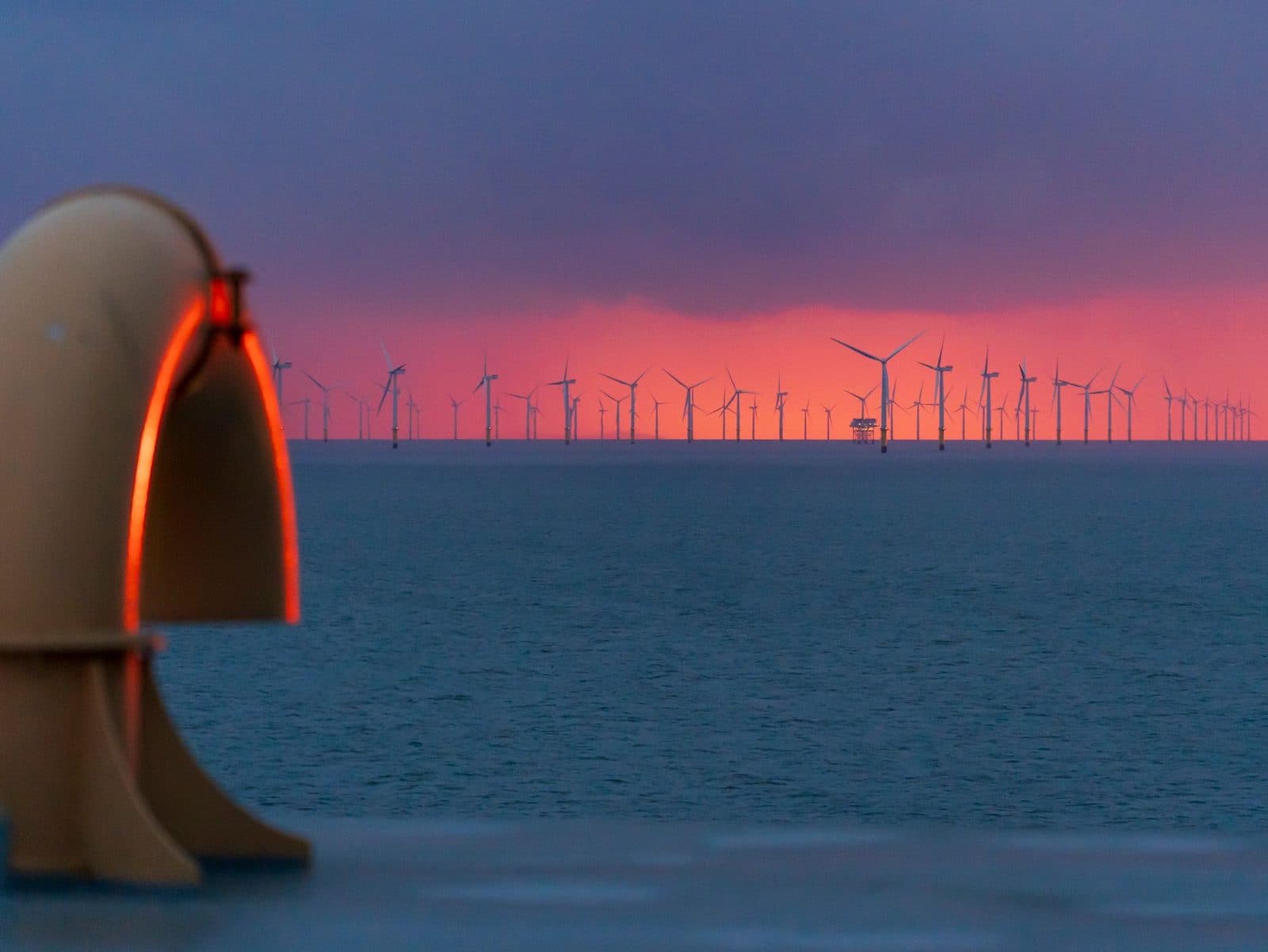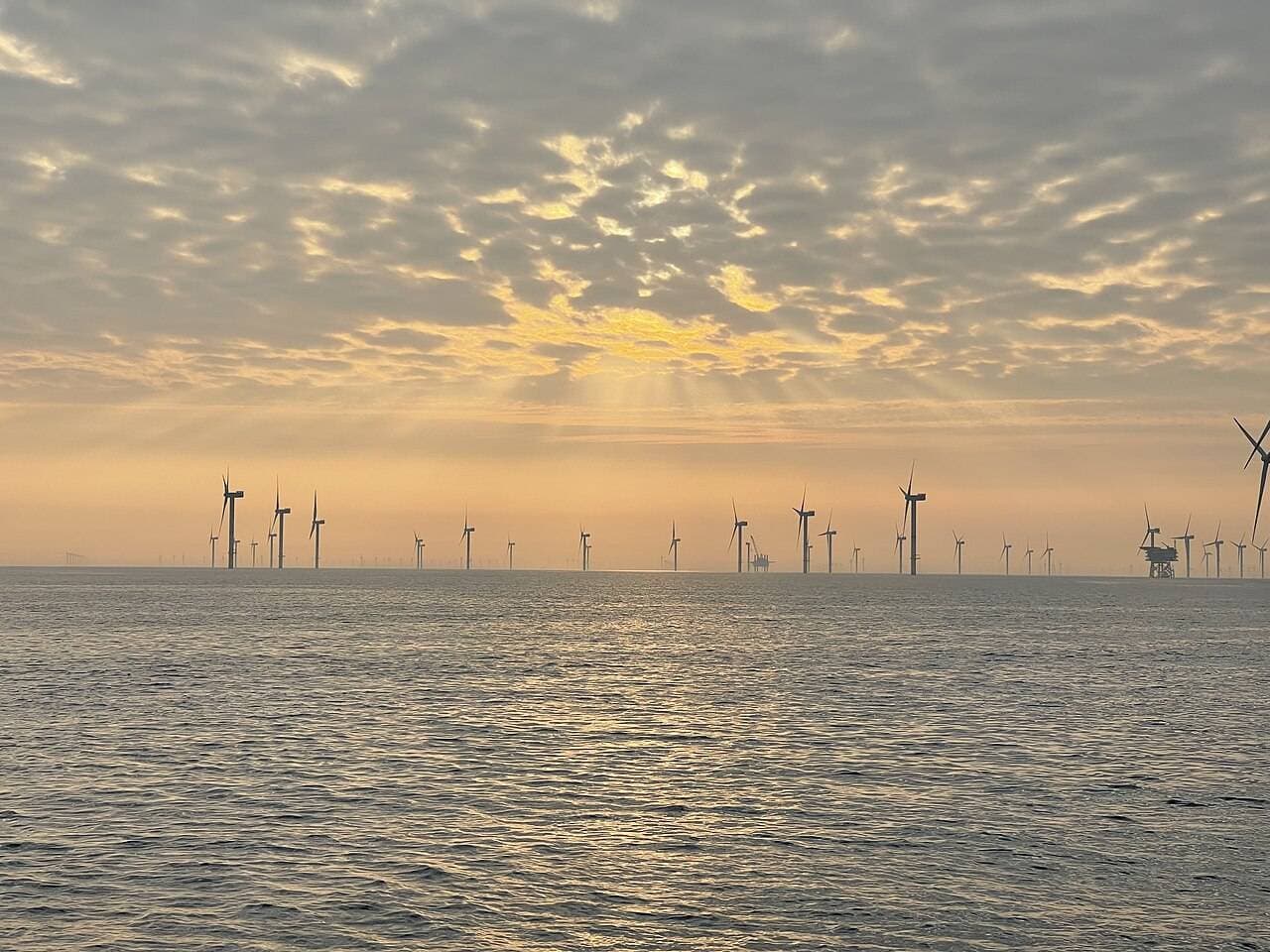
- Vattenfall announced on 19 October 2026 that it will market 200 MW of balancing power from the 416 MW Veja Mate offshore wind farm in Germany’s North Sea, the largest such capacity ever offered from an offshore wind farm.
- Veja Mate completed the prequalification process in TenneT TSO’s control area, letting its output serve Germany’s balancing market, where operators correct short-term imbalances to hold grid frequency at 50 Hz.
- The move nearly triples the previous disclosed record (~70 MW), and signals that offshore wind is moving from a grid-management headache into a grid-stabilizing asset.
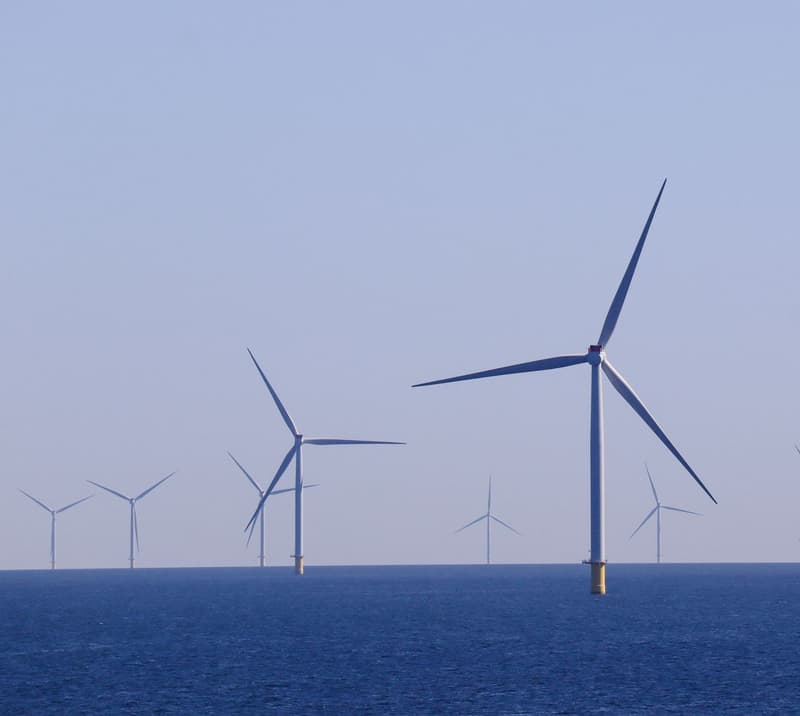
Offshore wind balancing power just got a new benchmark. Swedish utility Vattenfall said on 19 October 2026 that it will bring 200 MW of balancing reserve from the Veja Mate offshore wind farm in the German North Sea to the electricity market, after the project completed the prequalification required to take part in Germany’s balancing market, HMT News reported. Vattenfall says the 200 MW is the largest amount of balancing reserve ever offered by an offshore wind farm.
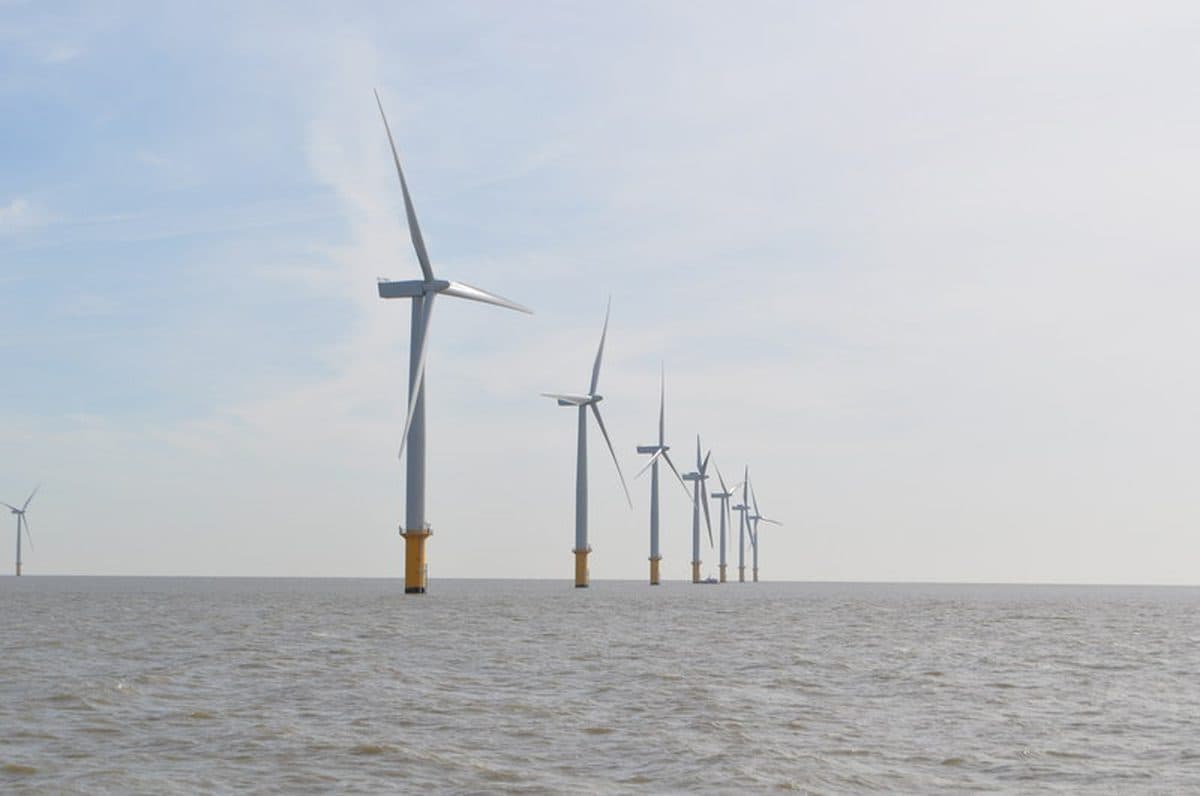
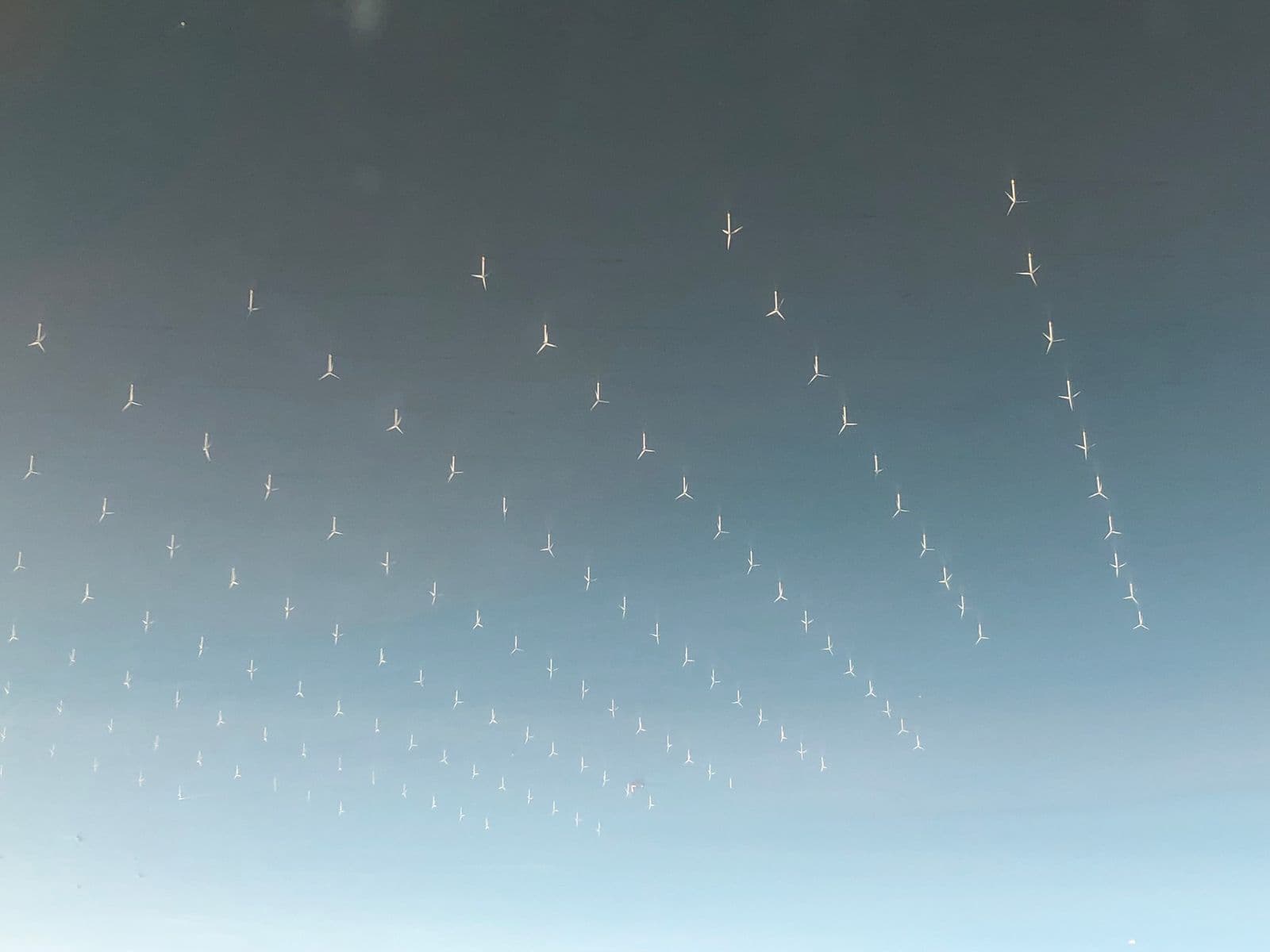
The qualification lets Veja Mate’s capacity be called on in the control area of transmission system operator TenneT, where system operators buy balancing power to correct short-term deviations between generation and consumption and keep the grid locked at 50 hertz. Veja Mate is the 416 MW, 67-turbine project roughly 95 kilometres northwest of Borkum Island, commissioned in May 2017 and owned by a consortium of Commerz Real, Ingka Group, KGAL Group and wpd invest, with Vattenfall acting as direct marketer for the electricity the farm generates, Offshore Wind reported.
The record in context: how offshore wind balancing power has scaled
The idea of an offshore wind farm holding frequency, rather than just injecting bulk energy, is only a few years old. Orsted’s Borkum Riffgrund 1 became the first offshore wind farm in Germany to provide balancing power in 2022. RWE then prequalified 60 MW from Amrumbank West for secondary reserve in 2025, and this July Trianel’s Borkum I began supplying around 70 MW of negative secondary control reserve. Vattenfall’s 200 MW is nearly three times that last figure, and it represents almost half of Veja Mate’s 416 MW nameplate capacity.
Capacity figures disclosed so far by the operators involved:
| Milestone | Operator | Farm | Balancing capacity |
|---|---|---|---|
| First offshore wind balancing provider | Orsted | Borkum Riffgrund 1 | Not disclosed (2022) |
| Secondary reserve prequalification | RWE | Amrumbank West | 60 MW (2025) |
| Negative secondary control reserve | Trianel | Borkum I | ~70 MW (July 2026) |
| Largest offshore wind balancing offer to date | Vattenfall | Veja Mate | 200 MW (October 2026) |
The disclosed capacity has climbed fast: proof of concept in 2022, double-digit megawatts in 2025 and 2026, and a 200 MW offer within four years.
Why offshore wind fits the balancing job
Renewables have long been treated as a risk to grid stability because of their fluctuating output. Vattenfall’s argument, in its own announcement, is that this logic inverts at sea: winds far offshore blow more constantly and predictably than on land, making output steadier and easier to schedule. A 6 MW Siemens SWT-6.0-154 machine (Veja Mate uses 67 of them) also delivers a higher capacity factor than a typical onshore turbine, which means there is more dependable output available to withhold or release as reserve without breaking the farm’s generation commitments.
The product being sold is secondary reserve: balancing power that starts being delivered 30 seconds after activation and must be fully available within five minutes, and can be offered as positive (injecting power) or negative (absorbing it), or both. That is the service that historically fell to flexible pumped-storage plants and gas-fired peaking units. Christian Sdralek, responsible for the renewable energy portfolio at Vattenfall, noted in the company’s statement that this balancing power had “so far mostly come from flexible pumped storage or gas-fired power plants”, a role the company says renewables are now ready to share. His words, in an English rendering of Vattenfall’s announcement carried by reNEWS:
“Electricity from renewable sources is not only indispensable when it comes to combating climate change and making the energy transition a success. It can also make an important contribution to the stability of the power system. The marketing of control energy from offshore wind is a strong signal for this.”
The deal marks a shift in how offshore wind earns money. Balancing markets pay for capacity that can be called at short notice, a premium, reliability-driven revenue stream that complements ordinary electricity sales and offtake contracts. If 200 MW can clear prequalification at a TenneT control area, there is little technical reason the same could not be repeated at other North Sea farms, which puts a new floor under project revenues at a time when developers are still wrestling with construction-cost inflation. That context matters: just days earlier, Taiwan’s 1 GW Hai Long farm reached full generation, a rare recent project delivered on budget, while projects elsewhere keep repricing upward.
The displacement effect is direct. Gas peakers have historically been the swing capacity that held frequency during volatile hours. Every megawatt of balancing power that an offshore wind farm can hold ready is a megawatt that does not need to sit idle, burning gas, in a peaking plant. The 2.7 GW of pumped-storage hydropower Vattenfall already offers into balancing markets shows the company understands this as a portfolio play: its 254 MW Brunsbuttel battery project, agreed earlier in October, is the second track of the same strategy, with batteries and offshore wind both selling flexibility, not just electrons.
Vattenfall says it is now working to qualify additional assets: more offshore wind farms, solar parks paired with large-scale batteries, and standalone battery storage. The company’s full statement is available on Vattenfall’s German-language newsroom. For Germany, this is about more than one project: the Vattenfall Veja Mate TenneT prequalification proves offshore wind grid stability in Germany is a demonstrated service that other North Sea operators (Orsted, RWE, Trianel) can now copy. If the Veja Mate offer clears the market smoothly, 200 MW will stop being a record and start being a standard.