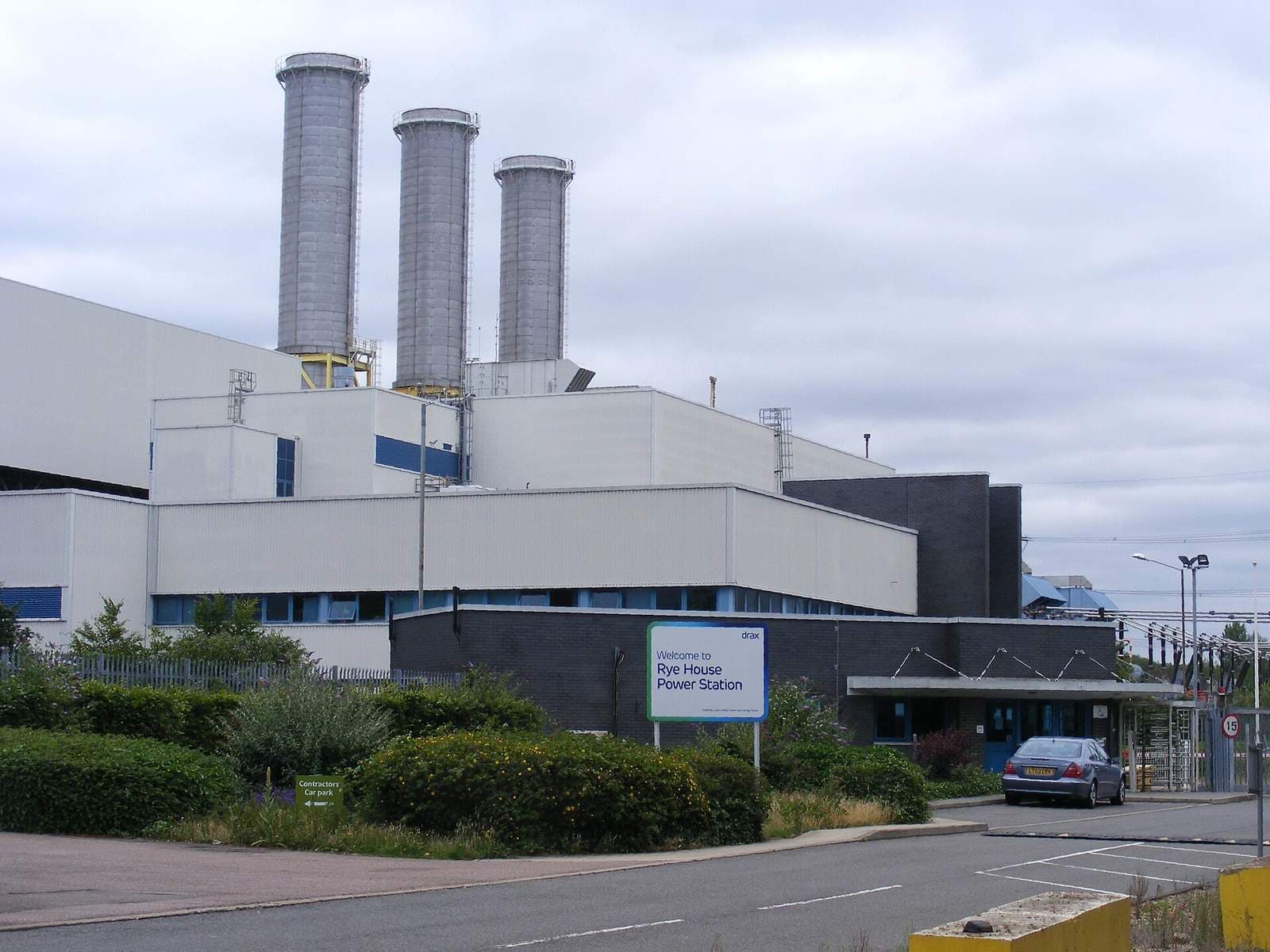
- RWE and Kawasaki Heavy Industries commissioned a 34 MW hydrogen-compatible gas turbine at the Emsland power station in Lingen on 6 November 2026, the largest of its kind in Europe.
- The turbine runs on natural gas, hydrogen, or any blend, and the partners will test operation on up to 100% hydrogen over a trial lasting several months.
- Hydrogen for the trial comes from GET H2 Nukleus electrolysers beside the plant, powered by renewable electricity.
The hydrogen gas turbine now under test at the Emsland plant has to answer two questions that no press release can settle: can its burners hold steady on pure hydrogen across real load swings, and can the economics of making that hydrogen ever close. The unit is a test rig with a grid connection, still short of a power station in commercial service. Its value lies in the operating data it produces during the test campaign, data that will shape the design of far larger hydrogen-ready plants Germany has already ordered.
RWE and Kawasaki Heavy Industries marked the start of trial operations at a ceremony on 6 November, attended by around 130 guests from government, business and media, including Olaf Lies, the Minister President of Lower Saxony, and Mitsuko Shino, the Japanese ambassador to Germany. RWE describes the unit as the first to generate electricity from hydrogen at this scale in a European industrial setting.
Europe’s largest hydrogen gas turbine starts months of trials
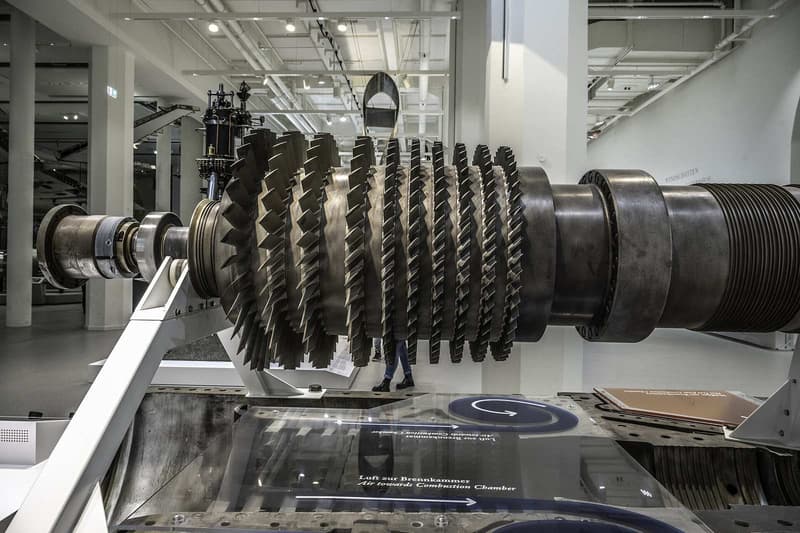
The 34 MW turbine can run on natural gas, hydrogen, or any mix of the two. Over the coming months, RWE and Kawasaki will test electricity generation on blends rising to 100% hydrogen, across operating modes and load conditions relevant to flexible power stations in a system dominated by wind and solar.
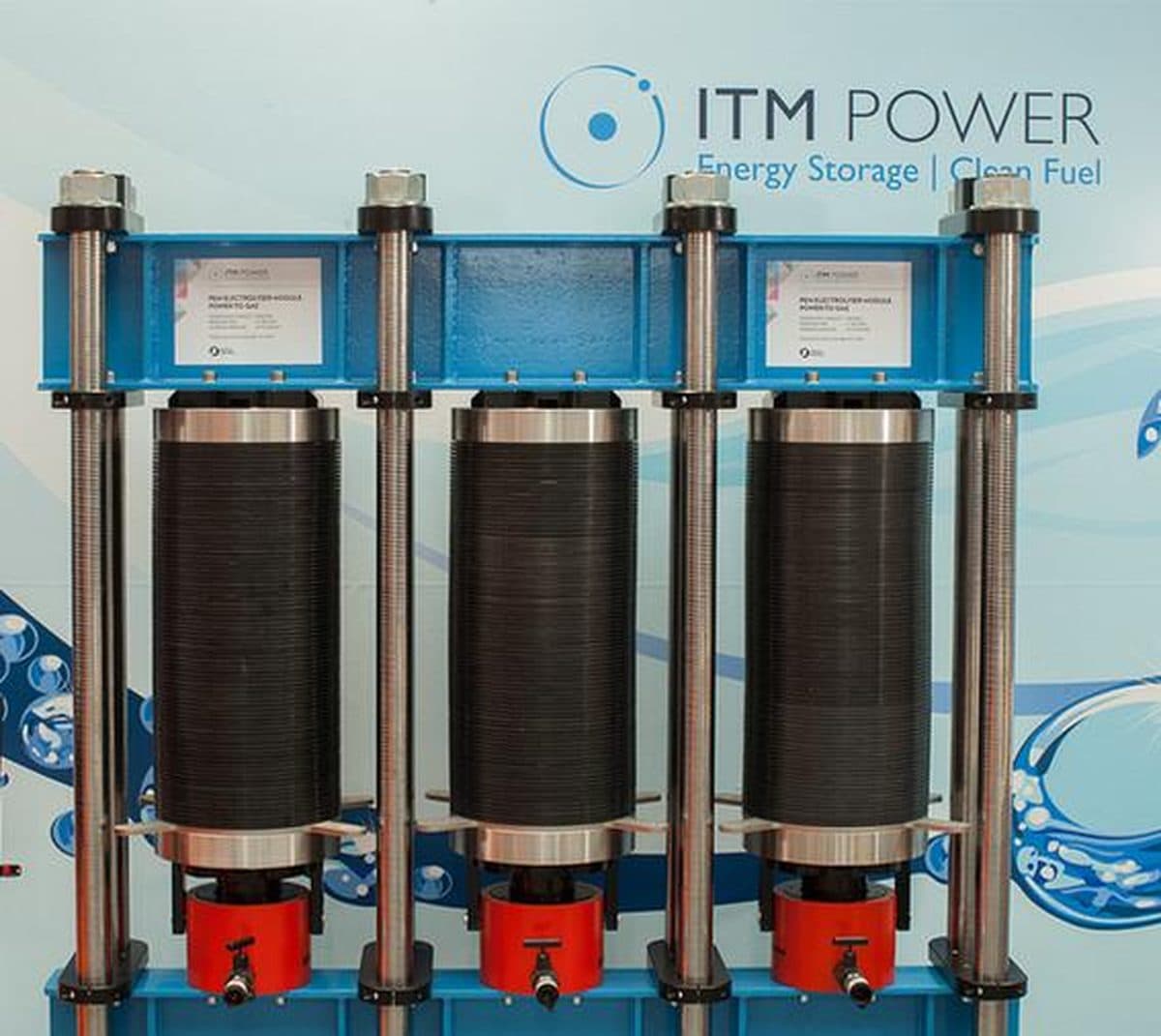
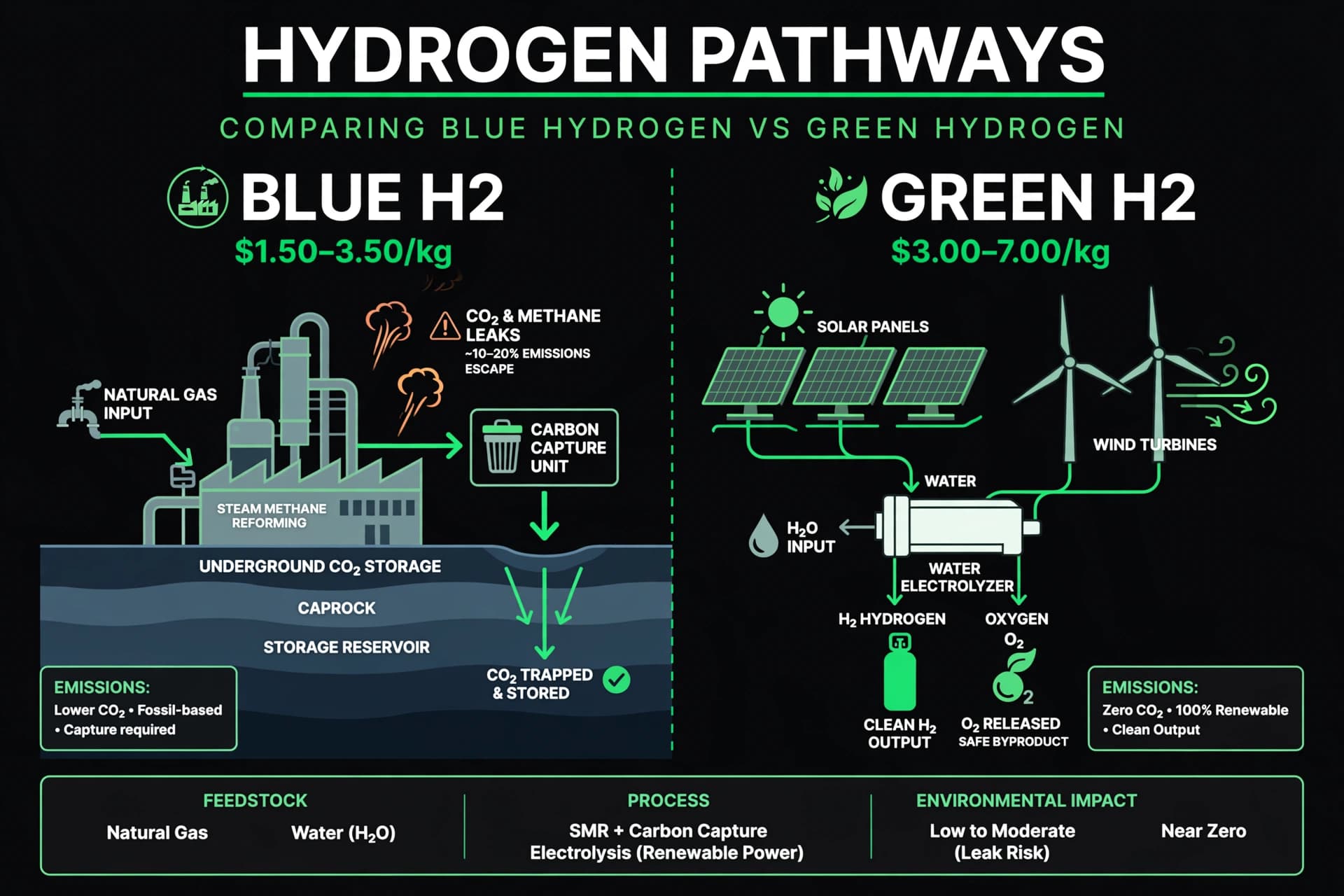
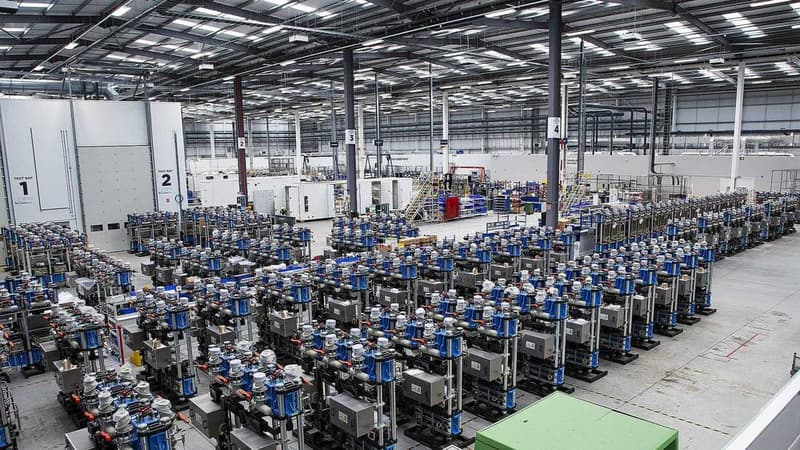
The hydrogen comes from electrolysers at GET H2 Nukleus, beside the plant, which split water into hydrogen and oxygen using electricity from renewable sources. Producing the fuel and burning it on one site closes the loop for the trial and removes transport from the test results. Kawasaki’s combustion systems are designed for safe and stable operation at varying hydrogen shares up to pure hydrogen, and the technology was tested in smaller plants before scaling to the 34 MW class in Lingen.
“What we have achieved in Lingen in partnership with Kawasaki is unique in Europe,” said Nikolaus Valerius, chief executive of RWE Generation. “The new turbine will generate up to ten times as much power as previous hydrogen turbines. The operational experience gained will be key for the deployment of even larger turbines. This is an important milestone on the way towards ensuring that this technology can reliably supply hundreds of thousands of households with electricity in the future.”
Motohiko Nishimura, president of Kawasaki Heavy Industries’ Energy Solution and Marine Engineering Company, said the turbine “can run on any blend of hydrogen and natural gas, from 0 to 100 percent hydrogen,” adding that the blending ratio can be adjusted to hydrogen availability and cost.
| Item | Detail |
|---|---|
| Turbine capacity | 34 MW |
| Location | Emsland power station, Lingen, Germany |
| Partners | RWE and Kawasaki Heavy Industries |
| Fuel range | Natural gas to 100% hydrogen |
| Hydrogen supply | GET H2 Nukleus electrolysers on site |
| Trial length | Several months |
| RWE hydrogen-ready awards | About 2.1 GW across three plants |
How the Lingen trial fits Germany’s hydrogen-ready power plan
Lingen is a test bed for a much larger build-out. RWE recently won a Federal Network Agency tender for flexible power stations and secured contracts to build three hydrogen-compatible gas-fired power stations in North Rhine-Westphalia, at Voerde, Werne and Weisweiler, with combined capacity of about 2.1 GW. The awards came under Germany’s Electricity Supply Security and Capacity Act.
The fuel side has public money behind it. GET H2 Nukleus is backed by €619 million (euros) in German federal and state funding, equivalent to US$690 million, and is due to supply up to 49,000 tonnes of hydrogen. The project also draws on support from NEDO, the Japanese funding organisation, underlining the German-Japanese partnership behind the turbine.
The logic is backup power for a renewables-heavy grid. As wind and solar take a larger share of generation, Germany needs flexible capacity that can hold supply steady through long dull and windless periods. Hydrogen-compatible gas plants are designed for that role, burning gas today and hydrogen as supply grows. Lingen exists to prove the second half of that sentence. The hydrogen burned there is produced with renewable electricity, the category our guide to the grey, blue and green hydrogen colours calls green hydrogen. Beyond power generation, hydrogen is also a feedstock for green ammonia, and it competes with batteries in transport, a contest we compared in hydrogen cars versus battery EVs.
What 34 MW buys, and what it still has to prove
Joule Post arithmetic puts the 34 MW unit in perspective. It equals about 1.6% of the 2.1 GW of hydrogen-ready capacity RWE has just been awarded, and Valerius’s tenfold claim implies the previous generation of hydrogen turbines sat in the 3.4 MW class. Running flat out for a year, 34 MW would generate about 298 GWh; at a 50% capacity factor, about 149 GWh. Against Destatis figures putting average German household electricity use at 3,383 kWh in 2021, the full-output figure covers roughly 88,000 households, and the 50% figure about 44,000. Valerius’s “hundreds of thousands of households” refers to the larger turbines that would follow, not to the Lingen unit itself.
That framing matters because a trial is a trial. No efficiency, emissions or maintenance results have been published, and the partners have said only that testing will run for several months. The honest read is that Lingen de-risks the combustion technology; it does not yet prove a commercial hydrogen power station. The results that matter, stable operation at 100% hydrogen across load points, will arrive one test at a time.
“Anyone who wants to reconcile climate neutrality with security of supply needs the courage to implement new technologies,” said Olaf Lies, Minister-President of Lower Saxony, at the commissioning ceremony. “That is exactly what is happening here in Lingen.”
If the trial succeeds, its value will show up less in Lingen’s own output than in the three 2.1 GW plants and the larger turbines after them. If it exposes limits, that is also a result, and a cheaper place to learn it than in a full-scale power station. Either way, the data will decide whether hydrogen turbines earn a place in Germany’s backup fleet, and the ceremony will not.
Sources
- RWE announcement via Energy-pedia, “Hydrogen-fuelled power generation: RWE and Kawasaki commence trial operations with 34-MW gas turbine in Lingen”, 6 November 2026
- Hydrogen Central, “Hydrogen-fuelled power generation: RWE and Kawasaki commence trial operations with 34-MW gas turbine in Lingen”, 10 November 2026
- Modern Power Systems, “RWE and KHI begin trial of 34MW hydrogen gas turbine in Germany”, 9 November 2026
- Gasworld, “RWE, KHI to begin testing hydrogen-ready gas-fired power facility”, 6 November 2026
- Destatis, “Electricity consumption of households by household size”, updated September 2023