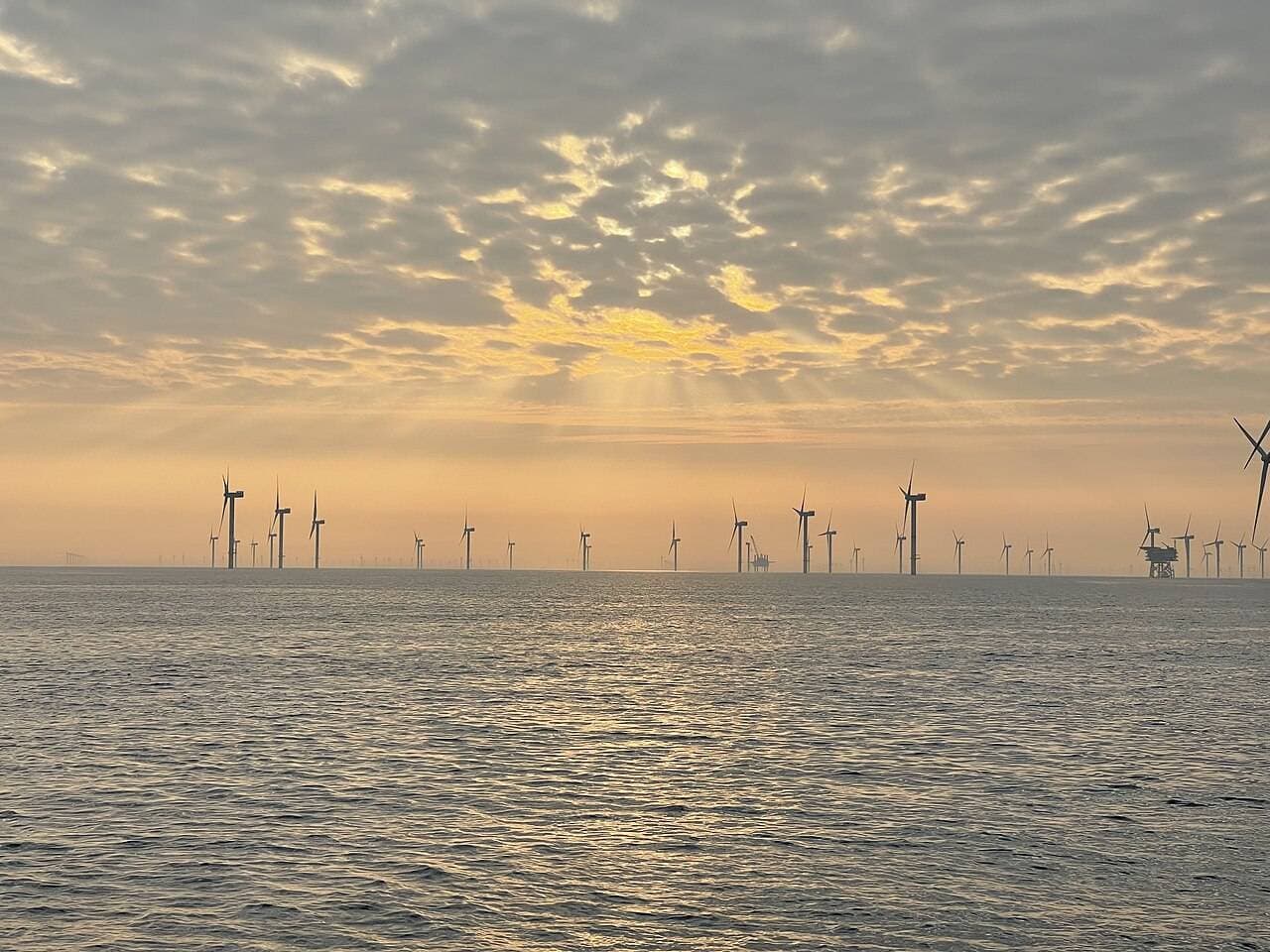
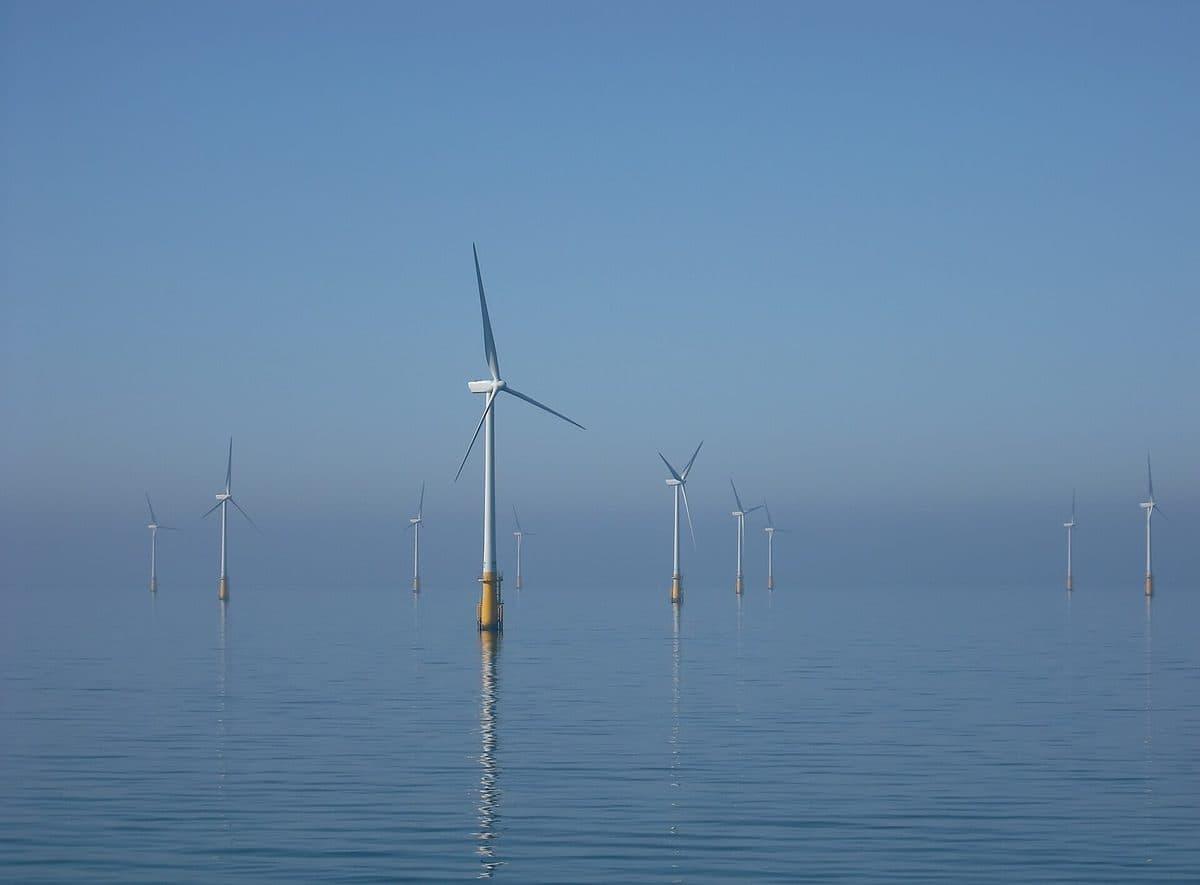
- RWE and KKR reached financial close on Vanguard West and Vanguard East, two 1.4 GW offshore wind farms off the Norfolk coast, on 11 November 2026.
- The £12.8 billion (pounds sterling) financing package from 35 international banks is the largest ever project financing in UK offshore wind.
- Both projects hold 20-year inflation-indexed Contracts for Difference at £91.20 per MWh (2024 prices), with full commissioning expected in 2030.
The Vanguard offshore wind financing works because the revenue is settled before the first turbine is installed. Under the UK’s Contract for Difference system, the two wind farms have a guaranteed price for every megawatt-hour they generate, and that guarantee is what lets dozens of banks lend billions against wind farms that do not exist yet. Financial close is the moment that paper promise turns into construction money, and it is the step that separates projects that get built from projects that stay on a drawing board.
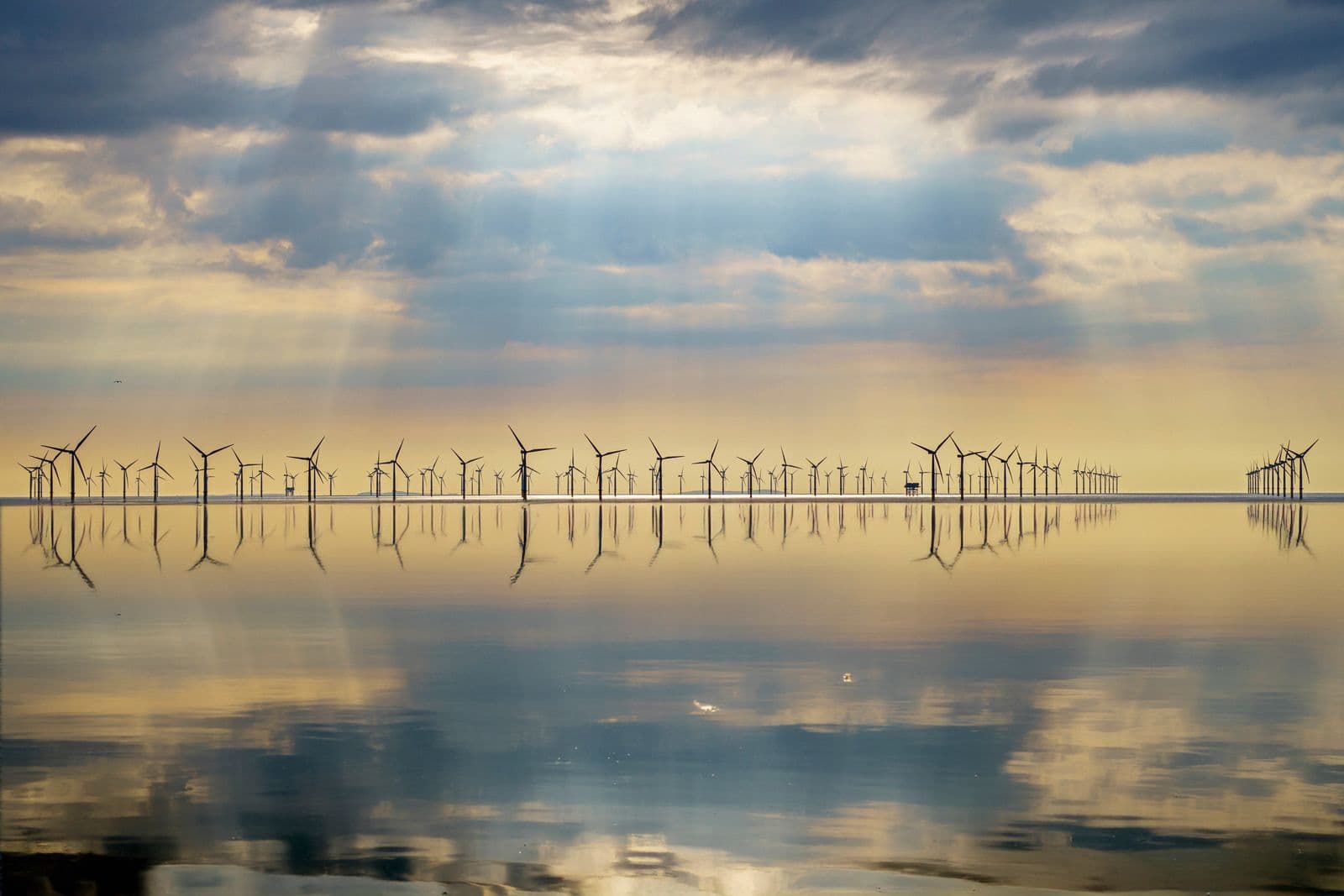
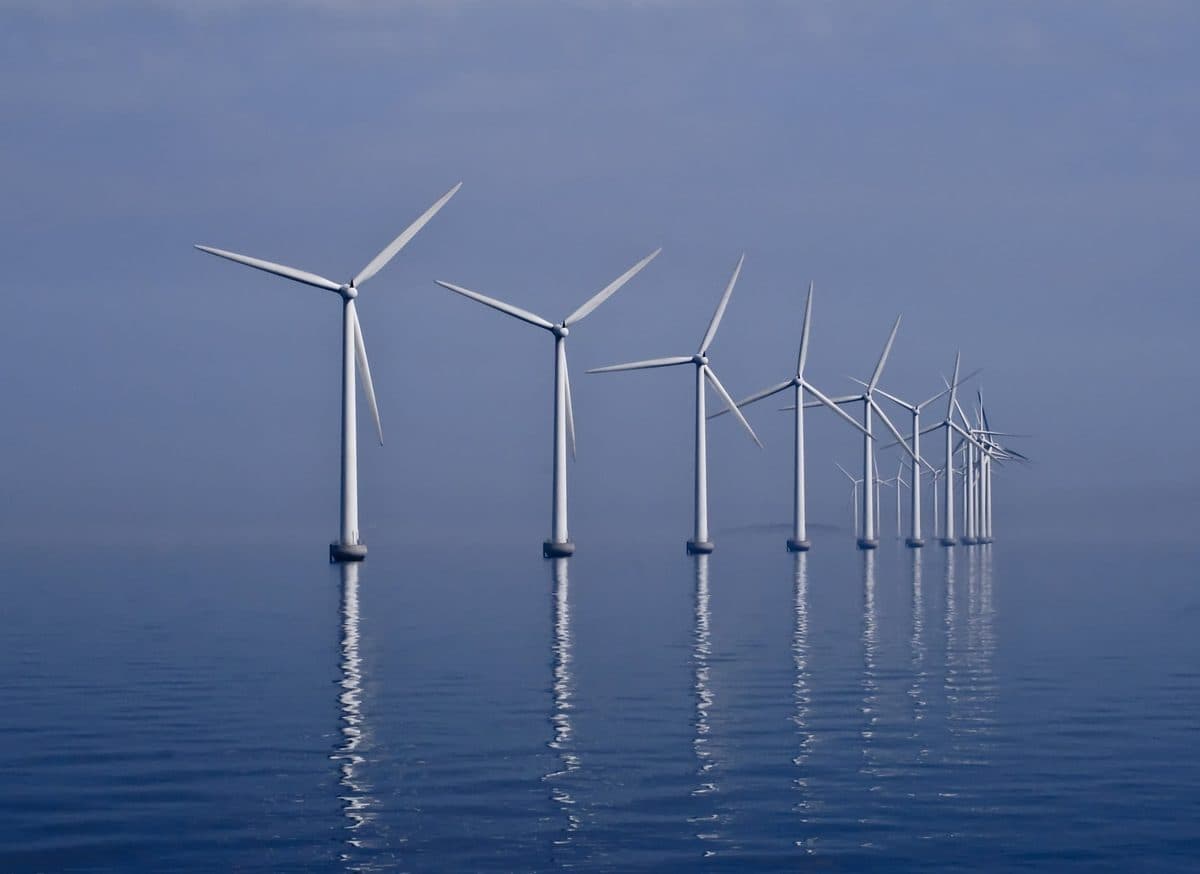
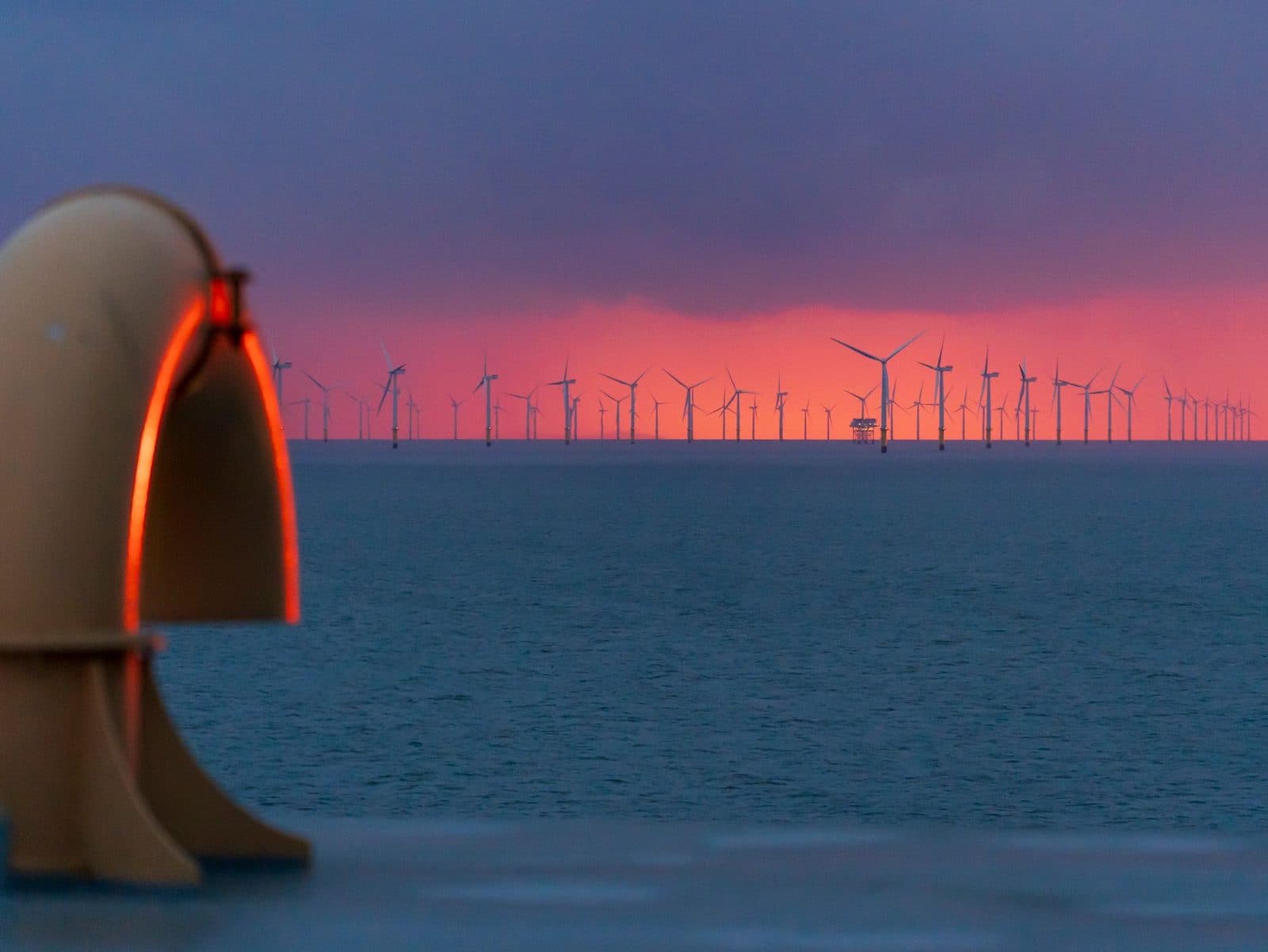
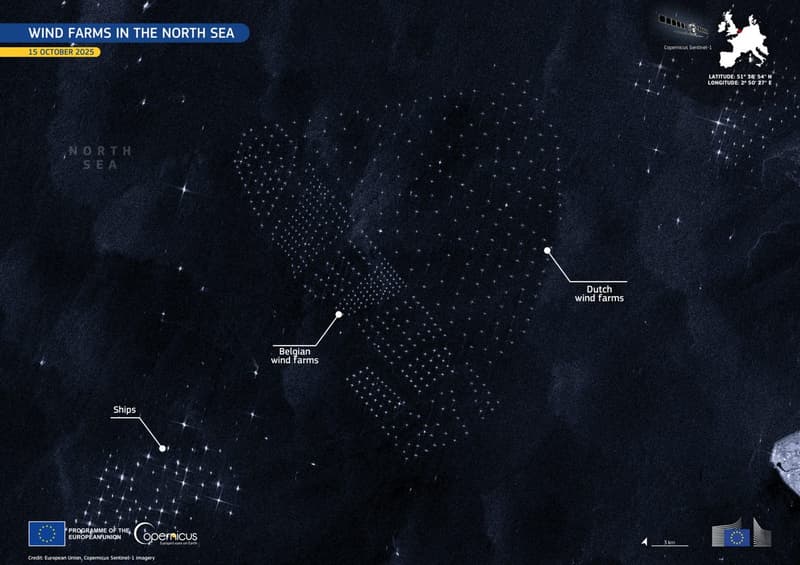
RWE and KKR reached financial close on Vanguard West and Vanguard East on 11 November 2026. The two wind farms sit in the British North Sea, 50 to 80 km off the Norfolk coast in East Anglia, with 1.4 GW of capacity each and 2.8 GW combined. Total investment comes to around £12 billion (about US$16 billion), including the wind farms and their associated transmission infrastructure. KKR has acquired a 50% equity stake in each project, completing a 50:50 joint venture, and RWE leads project delivery.
£12.8 billion of facilities for a £12 billion build
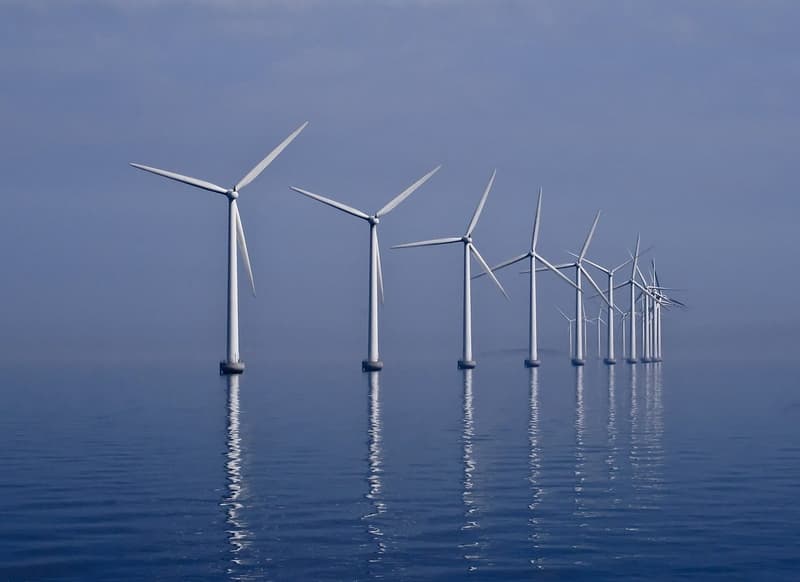
The financing package totals £12.8 billion (about US$17.1 billion): £11.1 billion in cash facilities plus £1.7 billion in ancillary facilities, provided as non-recourse project financing by a consortium of 35 international banks. The companies describe it as the largest ever project financing in UK offshore wind. The package also includes a £1 billion commitment from the UK’s National Wealth Fund, plus credit cover from Germany’s Euler Hermes and Denmark’s EIFO.
| Component | Amount |
|---|---|
| Cash facilities | £11.1 billion (about US$14.9 billion) |
| Ancillary facilities | £1.7 billion (about US$2.28 billion) |
| Total financing package | £12.8 billion (about US$17.1 billion) |
| Total investment in the projects | £12 billion (about US$16 billion) |
| National Wealth Fund commitment | £1 billion (about US$1.34 billion) |
| Lending banks | 35 international banks |
One detail in the numbers deserves a plain explanation. The financing, at £12.8 billion, is larger than the investment it funds, at £12 billion, because the facilities include ancillary lines on top of the cash that pays for construction. Ancillary facilities in project finance typically cover standby capacity, letters of credit and similar support that keeps a project of this size moving when costs shift or schedules slip.
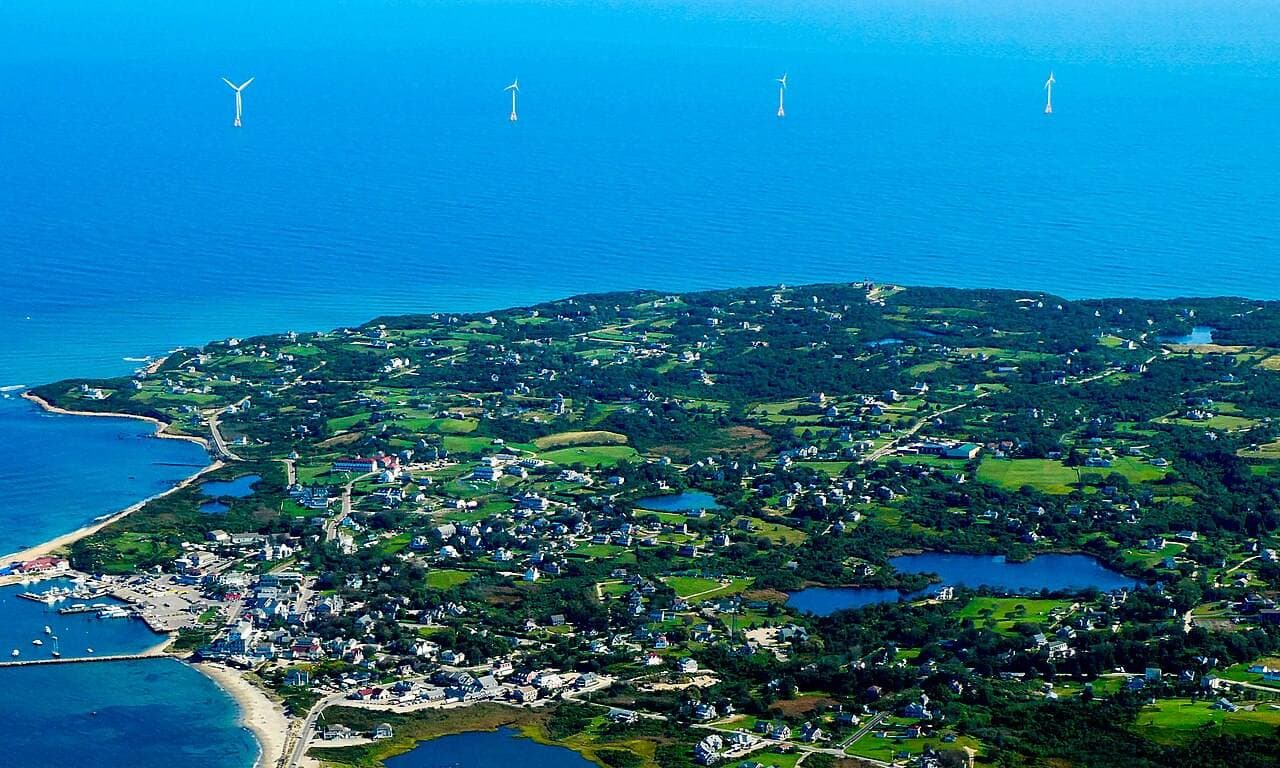
Joule Post arithmetic puts the scale in per-megawatt terms. £12 billion divided by 2.8 GW gives about £4.29 million per MW of capacity, a figure that covers the turbines, foundations, cabling and onshore grid connection together. And the scale itself is the story: at 2.8 GW, Vanguard is about four times the size of the 704 MW Revolution Wind farm off the US East Coast, which has just installed its final turbine. The two Vanguard farms are expected to generate the equivalent of the electricity needed to power about 3 million UK homes.
How a Contract for Difference turns wind into bankable revenue
A Contract for Difference, or CfD, is a government-backed contract that fixes the price a generator receives for its electricity. Under the deal, Vanguard West and Vanguard East each hold a 20-year inflation-indexed CfD awarded in the UK’s Allocation Round 7 in January 2026, at a strike price of £91.20 per MWh in 2024 prices. When the market price of electricity sits below the strike price, the contract tops the generator’s revenue up to that level. When the market price sits above it, the generator pays the difference back. Either way, the revenue is predictable, and predictable revenue is what a bank needs before it lends billions.
That mechanism is the honest core of this deal. The £91.20 per MWh strike price is the bankable revenue stream that unlocked the record financing in the first place, agreed before construction as part of the Allocation Round 7 award. Without a 20-year price guarantee behind them, two 1.4 GW wind farms in the North Sea would be a far harder proposition for 35 banks to underwrite at once. With it, the lenders are financing a contracted cash flow, not betting on future power prices.
What the £91.20 per MWh strike price means for UK offshore wind
The record financing is a vote of confidence in UK offshore wind at a scale the sector has not seen before. “Securing the largest ever project financing in UK offshore wind also demonstrates our lenders’ trust in these projects and our ability to deliver them,” said Markus Krebber, chief executive of RWE AG. UK Prime Minister Andy Burnham called the projects a “major investment in UK renewables”, according to ESG Today. The presence of the National Wealth Fund, with £1 billion committed, adds a public anchor to the private money, and the credit cover from Euler Hermes and EIFO spreads the risk across three governments’ export finance systems.
The strike price itself carries a tension worth stating plainly. £91.20 per MWh in 2024 prices is the price the UK has agreed to underwrite for 20 years, and it is the price that made the financing possible. Whether it looks expensive or reasonable depends on where wholesale power prices go over the next two decades, and nobody financing the deal claims to know that. What the banks are saying, by lending £12.8 billion, is that the contract structure works at this price. The CfD turns a weather-dependent asset into a revenue stream a lender can model, and that modelling is what converts a 2.8 GW plan into steel in the water.
From first foundations in 2027 to full power in 2030
Offshore construction begins in early 2027, with the first foundation installation for Vanguard West planned for the first half of the year, followed by Vanguard East. Onshore cable and substation work is already well advanced, so the grid connection will be waiting when the turbines go in. Both projects are expected to be fully commissioned in 2030.
That timeline gives the UK four years from financial close to 2.8 GW of new offshore capacity, and the delivery risk now sits with RWE as project lead. The turbines will do the work described in our guide to how wind turbines work, converting North Sea wind into electricity at industrial scale, while our companion guide to floating offshore wind turbines covers the technology built for deeper water, where fixed foundations reach their limit. Vanguard is the test of whether the UK’s contract system can still deliver offshore wind at record scale, and the £12.8 billion now committed says the lenders believe it can.
Sources
- Mark Segal, “RWE, KKR Secure Record $17 Billion Financing to Build Major UK Offshore Wind Projects”, ESG Today, 11 November 2026.
- “RWE, KKR Reach Financial Close on 2.8GW UK Offshore Wind Projects”, Offshore Engineer (OE Digital), 11 November 2026.
- Joule Post, “704 MW US Offshore Wind Farm Nears Full Power”, joulepost.com, for the 704 MW Revolution Wind comparison.