- One solar renewable energy certificate is created for each megawatt-hour a solar system generates, and utilities buy certificates to meet state solar requirements.
- EnergySage reported a March 2026 price snapshot of $383 per certificate in Washington, D.C. and $3 in Ohio, so location decides whether the income is material.
- Only system owners can sell certificates directly. Lease and power purchase agreement customers give that right to the system owner, and sellers give up the right to claim they use solar power.
Solar renewable energy certificate (SREC): A market instrument that represents the environmental attributes of one megawatt-hour of solar electricity. The certificate can be sold separately from the electricity itself, so the power and the proof that it came from the sun can end up with different owners.
Solar renewable energy certificates turn production into a second revenue stream, and the ownership paperwork decides who collects it. A household that buys panels with cash or a loan owns the certificates its system generates. A household that signs a lease or a power purchase agreement usually hands that right to the company that owns the system, which may pass some of the value back through lower payments. The distinction belongs in the contract, in writing, before installation, because it is worth thousands of dollars a year in the strongest markets and almost nothing in the weakest.
The mechanism is straightforward. Each megawatt-hour of solar generation creates one certificate. Electricity suppliers in states with a solar carve-out must hold enough certificates to cover a set share of their sales under the state renewable portfolio standard, or pay a compliance premium instead. That obligation creates demand. Supply comes from every registered solar system in the state. Prices move with the balance between the two, which is why a certificate can be worth hundreds of dollars in one jurisdiction and single digits in another.
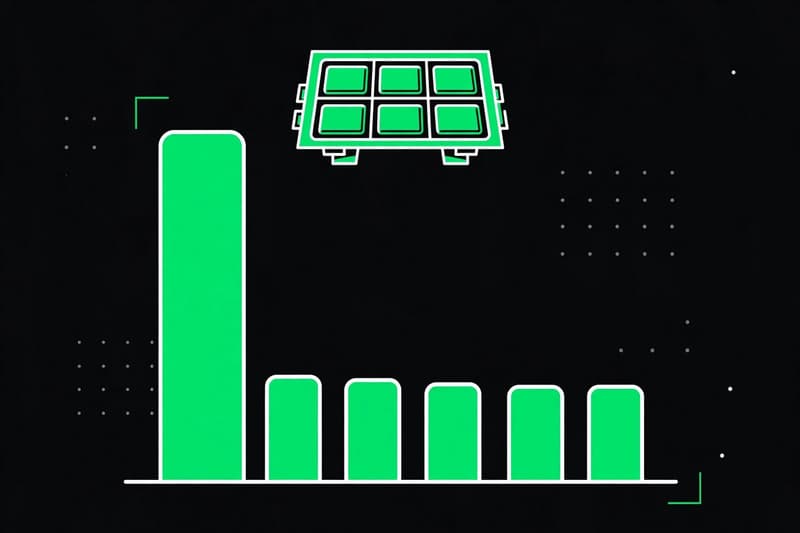
How solar renewable energy certificates are created and priced
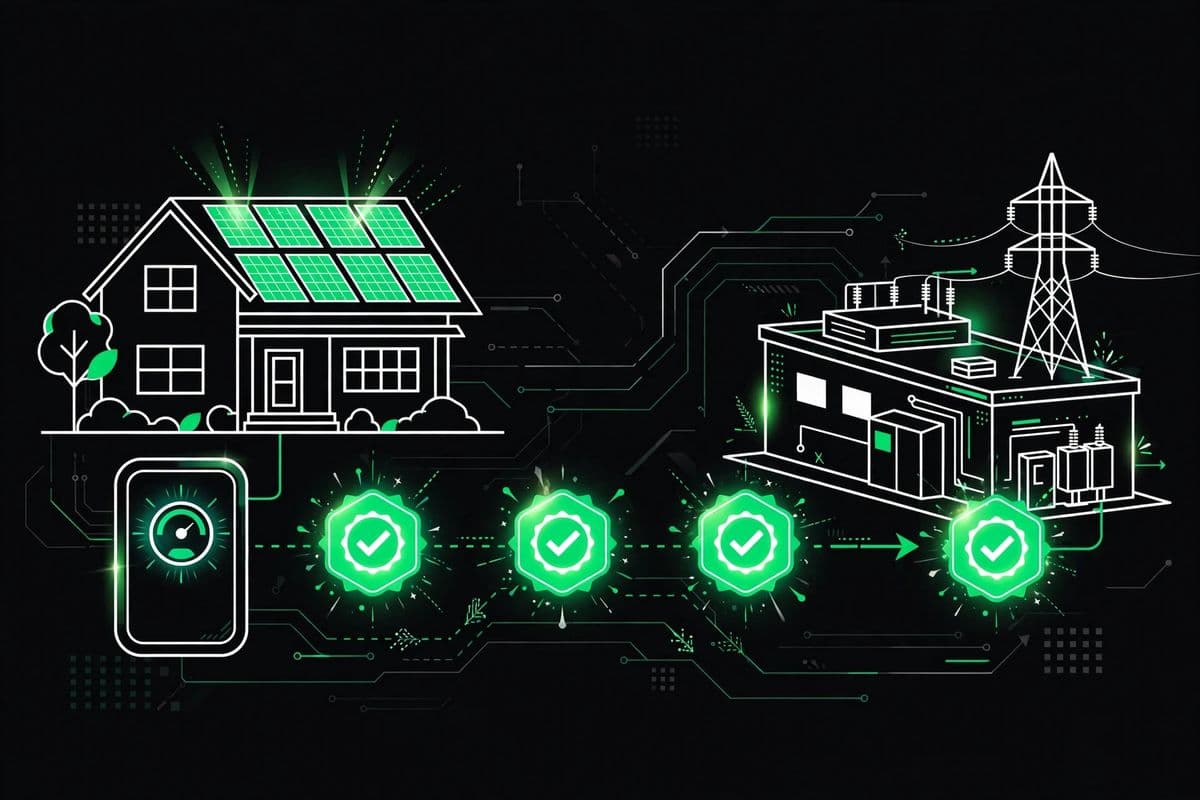
The US Environmental Protection Agency describes a renewable energy certificate as the property rights to the environmental, social and other non-power attributes of renewable electricity generation. A solar renewable energy certificate is the solar version of that instrument. The agency states that the ultimate owner of the certificate owns the solar character of the power. Generation data from the meter or monitoring system is reported to a tracking registry, the registry issues certificates, and the certificates are sold through a broker or aggregator to a supplier that needs them for compliance.
Homeowners rarely sell directly to a utility. EnergySage names Xpansiv Managed Solutions, formerly SRECTrade, and Sol Systems as brokers that aggregate household certificates, with Flett Exchange as another place to research current prices and trends. The broker takes a fee or margin, handles registration and settlement, and pays the owner per certificate. Registration matters because a system must be registered in its state program before its generation counts, and unregistered generation cannot be certified retroactively in most programs.
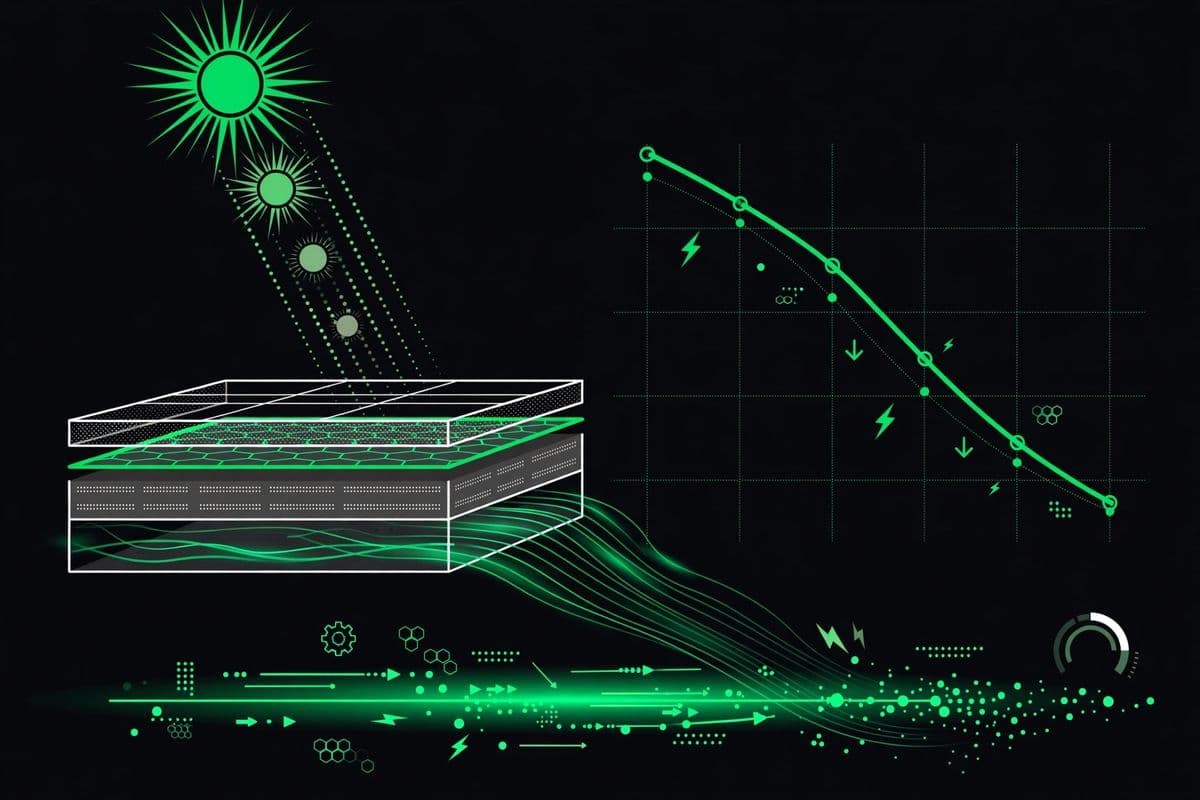
Production volume sets the certificate count. EnergySage estimates that a 10 kW system produces roughly 11 to 16 megawatt-hours per year, which translates to 11 to 16 certificates per year. The range reflects roof orientation, shading and local sunshine. A system in Arizona will sit near the top of that range. A system in a cloudier northern climate will sit near the bottom. The certificate count follows actual metered output, so a shaded or underperforming system earns fewer certificates in direct proportion to its lost production. For background on what drives that output, see how solar panels convert sunlight into electricity.
Ownership decides who gets paid
EnergySage states the ownership rule plainly. A homeowner must own the solar system to claim certificates directly. Cash purchases and loan-financed purchases qualify, because the homeowner owns the equipment. Lease and power purchase agreement customers do not, because the third-party company owns the system and collects the certificates its panels generate. The company can pass value to the customer through lower monthly payments, and EnergySage advises customers to ask how that value is handled when an active certificate market exists in their area.
The same ownership question shapes the financing comparison in our solar lease versus purchase cost model. A lease can look cheaper month to month while the system owner keeps certificate income that would have gone to the homeowner under a purchase. The comparison only works when certificate income is counted on the correct side of the ledger. Prepaid leases add a further wrinkle. EnergySage notes that during roughly the first six years of a prepaid lease or power purchase agreement, the system owner typically collects the certificates. Buyers should read the assignment clause in the contract and ask for the certificate treatment in writing, including what happens if the system is sold or the home changes hands.
Renters and households without a suitable roof face a different version of the same question. Community solar subscriptions give bill credits for a share of a larger project, and the subscription agreement decides who holds any certificates. A renter should not assume a community solar subscription creates personal certificate income.
What $383 in Washington, D.C. and $3 in Ohio mean for a 10 kW roof
EnergySage published the price snapshot below on 27 March 2026. Prices move, and a snapshot from March is not a quote for November. The table uses the page’s own production range of 11 to 16 certificates per year for a 10 kW system and multiplies it by each listed price, which is Joule Post arithmetic from EnergySage figures. EnergySage’s own earnings column assumed 11 to 13 certificates, so its published earnings run slightly lower at the top end than the figures here.
| Market | Price per certificate (EnergySage, March 2026) | Annual certificates, 10 kW system | Annual income, Joule Post arithmetic |
|---|---|---|---|
| Washington, D.C. | $383 | 11 to 16 | $4,213 to $6,128 |
| New Jersey | $175 | 11 to 16 | $1,925 to $2,800 |
| Maryland | $48 | 11 to 16 | $528 to $768 |
| Virginia | $45 | 11 to 16 | $495 to $720 |
| Pennsylvania | $23 | 11 to 16 | $253 to $368 |
| Delaware | $7 | 11 to 16 | $77 to $112 |
| Ohio | $3 | 11 to 16 | $33 to $48 |
The spread is the story. At the Washington, D.C. price, certificate income over 10 years at a flat 13 certificates per year would total $49,790 before broker fees, with no discounting and no price change assumed. That illustration shows scale, and it is not a forecast, because EnergySage warns that prices shift as more solar comes online and as alternative compliance payment schedules decline over time. At the Ohio price, the same 13 certificates per year would total $390 over 10 years, which is rounding error in a system payback calculation. A homeowner in a low-price state should treat certificates as a bonus. A homeowner in Washington, D.C. should treat them as a line item in the purchase decision, checked against current broker quotes rather than a March snapshot.
Washington, D.C. also carries a geographic restriction that EnergySage flags. The District consistently has some of the most valuable certificates in the country, and the market is geographically restricted, which limits which systems can participate. State program details, eligible system sizes and registration rules are listed in the DSIRE database of state SREC programs linked from the Environmental Protection Agency page on state solar carve-out programs. Check the current program entry for the specific state before relying on any price table.
Selling now or pre-selling for 3 to 15 years
Owners have two selling styles. Spot sales pay the market price certificate by certificate, which rises and falls with supply and demand. Pre-sales lock a fixed price per certificate for a set number of years, typically 3 to 15 years according to EnergySage, in exchange for a lump sum or contracted payments from a broker, installer or financing company. Pre-selling trades upside for certainty. An owner who pre-sells at $175 in New Jersey and watches the market rise to $250 has sold the gain. An owner who holds certificates in a falling market keeps the loss.
The choice depends on how the owner uses the income. A household counting certificate income toward loan repayment may value a fixed price. A household treating certificates as a bonus may prefer spot sales and accept volatility. Either way, the contract should state the price per certificate, the term, the broker fee, who handles registration, and what happens if the system is removed or the home is sold. Verbal assurances from a salesperson are not a substitute for those terms in the signed agreement.
The claim you give up when you sell
Certificates are separate from the electricity that flows through the meter, and that separation has a consequence the Environmental Protection Agency states directly. Homeowners and businesses that sell the certificates from their systems preclude themselves from making solar power use claims or claims about reducing their carbon footprint, because the buyer owns the solar character of that power. The household still uses electricity, and the panels still generate it. The right to claim the solar attribute has been sold.
The same logic applies in reverse to lease customers. A household hosting a third-party system and forgoing certificate ownership enables the system owner to sell the certificates, and the household gives up the same claim. Marketing that describes a leased system as the household’s own solar power should be read with that distinction in mind. Households that want the claim for reporting, certification or personal reasons should keep their certificates unsold, which means forgoing the income.
Certificates also sit alongside export compensation, and the two payments reward different things. Net metering and net billing pay for kilowatt-hours exported to the grid. Certificates pay for the solar attribute of each megawatt-hour generated, whether the power is used at home or exported. A system can earn both, subject to state rules. Time-of-use rates add a third layer, rewarding power used or stored during expensive hours. The full homeowner return is the sum of bill savings, export credits and certificate income, minus costs, and each layer follows different rules.
Why a second income stream still needs a price check every year
Certificate income can shorten payback by years in the strongest markets and change nothing in the weakest, which is exactly why a national average price would mislead every reader. The useful check is local and current: confirm the state has a solar carve-out, confirm the system qualifies and is registered, get a broker quote for the current price, and read the ownership clause in the purchase or lease contract. A March 2026 price table answers none of those questions for a November purchase on its own. It shows the scale of the prize and the scale of the spread. The contract and the current quote decide what a specific roof actually earns.
Frequently asked questions
What is a solar renewable energy certificate?
A solar renewable energy certificate is a market instrument created for each megawatt-hour of solar electricity generated. It represents the environmental attributes of that power and can be sold separately from the electricity itself to a supplier that needs it for state renewable portfolio standard compliance.
How much is one SREC worth?
The value varies by state and moves with supply and demand. EnergySage reported $383 per certificate in Washington, D.C. and $3 in Ohio in its March 2026 snapshot. Check a current broker quote for the state where the system is registered, because prices change as solar capacity grows and compliance payment schedules decline.
Do I get SRECs if I lease my solar panels?
Usually the system owner collects the certificates under a lease or power purchase agreement. The owner may pass value back through lower payments. Ask for the certificate treatment in writing before signing, including what happens during roughly the first six years of a prepaid lease.
Can I claim I use solar power if I sell my SRECs?
Selling the certificates transfers the right to claim the solar character of the power to the buyer, according to the Environmental Protection Agency. The panels still generate electricity, and the household still uses power, but the solar use claim belongs to the certificate owner.
How do I sell SRECs?
Register the system in the state program, then sell through a broker or aggregator such as Xpansiv Managed Solutions or Sol Systems. Brokers handle registration and settlement for a fee. Compare spot sales with pre-sale contracts of 3 to 15 years, and confirm the price, term and fees in the signed agreement.
Sources:
- US Environmental Protection Agency, Policies and Regulations, state solar carve-out programs
- EnergySage, SRECs: What are Solar Renewable Energy Certificates, updated 27 March 2026
Certificate income figures in the table are Joule Post arithmetic from EnergySage production and price figures, as labelled in the text. All dollar figures are US dollars.