- TotalEnergies withdrew its US$16 billion H2 Magallanes green hydrogen and ammonia project from Chile’s environmental review on 13 November 2026, citing market conditions, a lack of long-term offtake contracts and high equipment costs.
- The project was the largest investment ever filed with Chile’s environmental assessment system: a 5,000 MW wind farm, 3,850 MW of electrolysis and a 10,800-tonne-a-day ammonia plant in San Gregorio, Magallanes.
- Two neighbouring megaprojects in the same municipality are still alive: HNH Energy’s US$11 billion project was approved in August 2026, and the US$4.7 billion Acuario project is under review.
The green hydrogen industry’s offtake problem has now claimed its biggest victim. The joint venture behind the H2 Magallanes scheme asked Chile’s assessment authorities to end the appraisal of the project, and the Magallanes commission accepted the request in a resolution signed on Friday. The company attributed the decision to market conditions, the lack of long-term offtake contracts and high equipment costs, according to Revista Electricidad.
What TotalEnergies withdrew from Chile’s environmental review
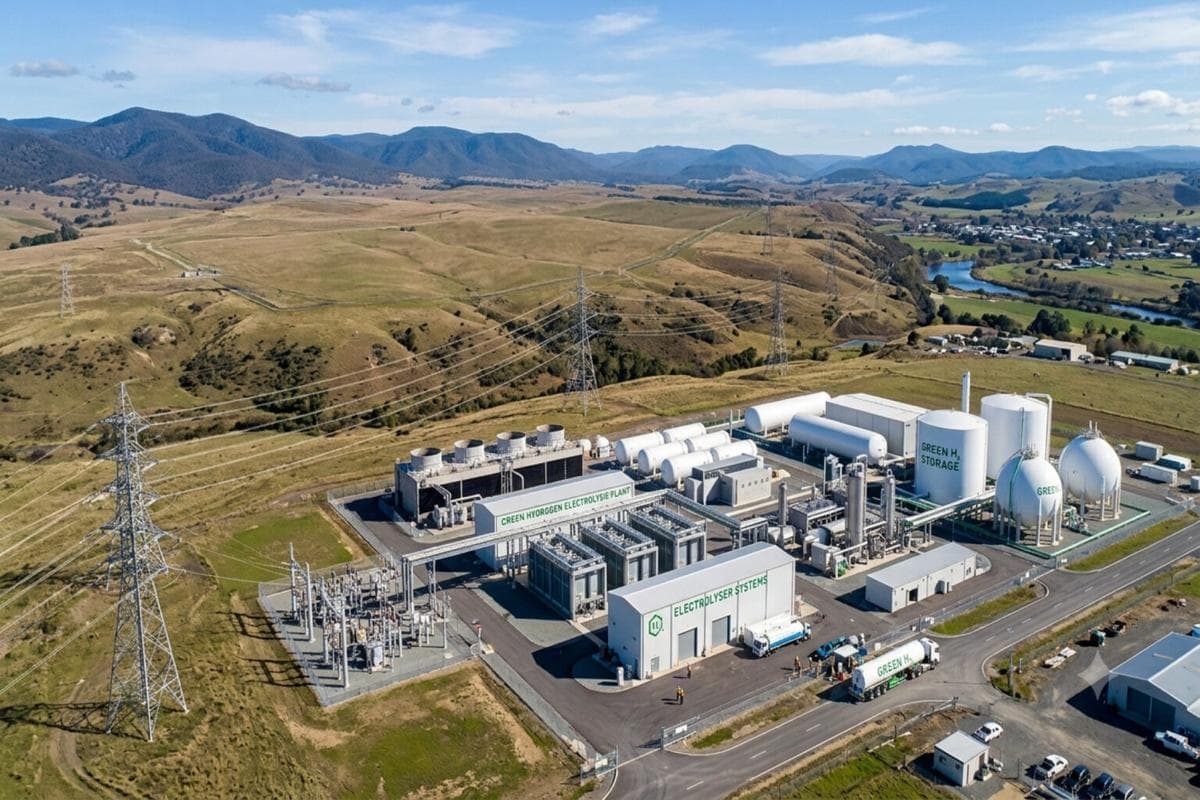
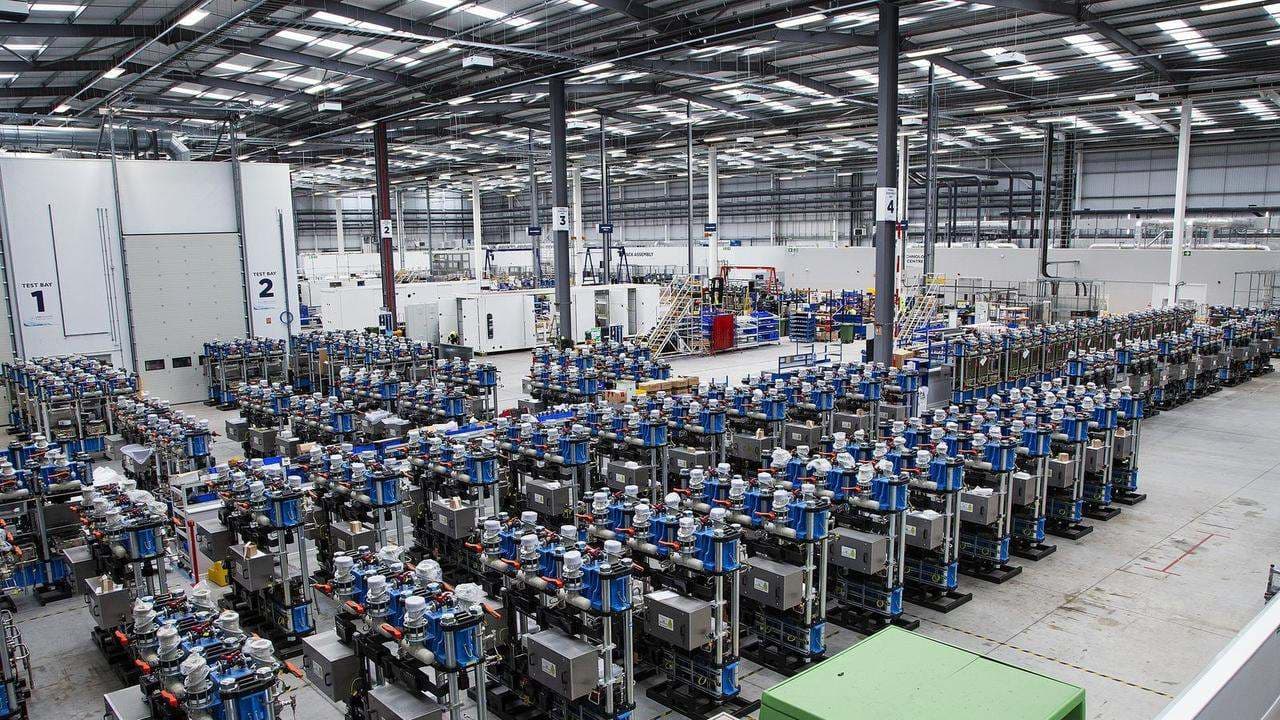
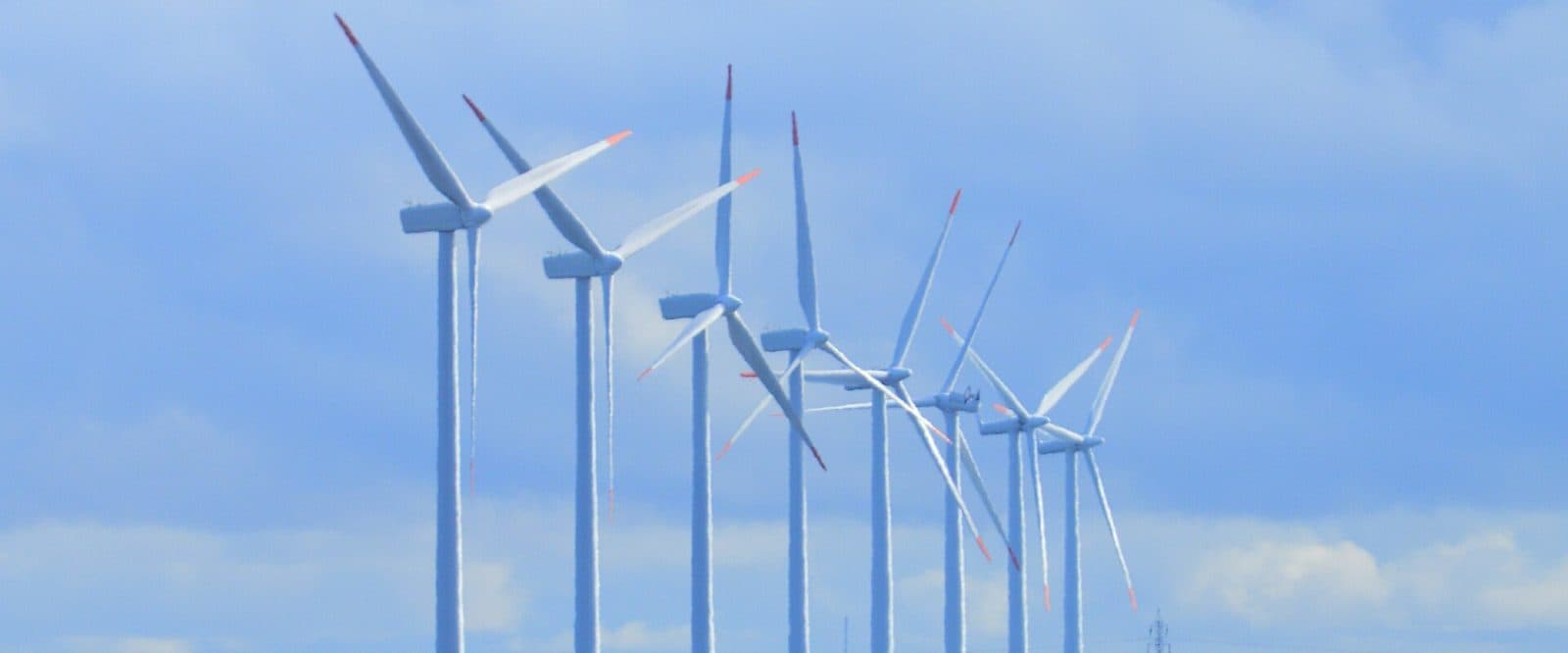
H2 Magallanes was, on paper, one of the biggest green hydrogen projects anywhere. The environmental impact study filed on 5 May 2025 described a 5,000 MW wind farm with 616 turbines of 8 MW each, seven electrolysis centres totalling 3,850 MW producing up to 1,750 tonnes of hydrogen a day, and a green ammonia plant producing 10,800 tonnes a day using the Haber-Bosch process with nitrogen captured from the air. A desalination plant of 1,300 litres per second would have supplied the water, and a marine export terminal would have shipped the ammonia. The filing also included five data centres, and the project was expected to employ about 10,000 people at its peak.
The investment was estimated at US$16,000 million, which Chile’s Ministry of Energy identified as the largest investment ever filed with the Sistema de Evaluación de Impacto Ambiental, the country’s environmental assessment system. That figure was never money spent: the project had not taken a final investment decision and no works had started. The withdrawal ends the procedure without a qualification decision, and it does not prevent the project from being filed again later.
The review had been troubled for months. In September 2025 the company asked to suspend the assessment until March 2027 to prepare answers to technical and citizen observations, but the environmental service granted a shorter deadline, 7 December 2026. The project drew more than 670 public comments, covering water use, the transport of 616 turbines on regional roads, and noise effects on species such as the Magellanic lizard and the Magellanic tuco-tuco. Questions were also raised about its proximity to Pali Aike National Park and the Bahía Lomas Ramsar wetland site.
Three San Gregorio megaprojects, three different fates
H2 Magallanes was one of three green ammonia megaprojects proposed for the same municipality, San Gregorio, in the far south of Chile. Together they were worth US$31.7 billion on paper. One is now withdrawn, one is approved, and one is still under review.
| Project | Owner | Investment | Wind capacity | Ammonia output | Status |
|---|---|---|---|---|---|
| H2 Magallanes | TEC H2 MAG (TotalEnergies H2 and EREN) | US$16 billion | 5,000 MW, 616 turbines | 10,800 tonnes a day | Withdrawn 13 Nov 2026 |
| HNH Energy | ASOE Chile Diez (CIP, AustriaEnergy, Ökowind) | US$11 billion | 1,400 MW phase 1, 194 turbines | About 6,600 tonnes a day, phase 1 | Approved 26 Aug 2026 |
| Acuario | IB Decarb Dos Alfa | US$4.7 billion | 1,730 MW, 173 turbines | 4,100 tonnes a day | Under review since Jul 2026 |
HNH Energy won unanimous approval from the Magallanes Environmental Assessment Commission on Wednesday 26 August 2026, with 12 votes in favour, and subsequently obtained its Environmental Qualification Resolution. It became the largest investment ever to obtain such a resolution in the assessment system’s history. Its approved first phase covers a 1.4 GW wind farm with 194 turbines, a 1 GW electrolyser, about 270,000 tonnes of green hydrogen a year and up to about 1.3 million tonnes of green ammonia a year, plus 300 MWh of battery storage. A second phase of about 2.1 GW of wind would be treated as a separate project. In late October 2026 two administrative appeals were filed seeking to revoke the resolution, over birds, whales and heritage; the resolution has not been revoked and the claims go to the Committee of Ministers.
The Acuario project, owned by IB Decarb Dos Alfa, entered environmental review on 15 July 2026 and was admitted for assessment on 22 July. Its proposal covers a 1.73 GW wind farm with 173 turbines, about 1.7 GW of electrolysers, a 550 MW battery system and a 4,100-tonne-a-day ammonia plant near Bahía Gregorio, about 103 km northeast of Punta Arenas. Construction is preliminarily scheduled for the third quarter of 2029 to the second quarter of 2033.
What the withdrawal says about the green hydrogen market
The reason TotalEnergies gave is the story. A green hydrogen project of this scale only works with buyers signed to long-term contracts at prices that cover the cost of the wind farm, the electrolysers and the ammonia plant. Without those contracts, a developer cannot finance construction, and equipment costs have stayed high even as electrolyser manufacturing has scaled up. H2 Magallanes had neither the offtake nor the cost base it needed, and the company chose to stop paying for an environmental review of a project it could not yet build.
The contrast with HNH Energy is instructive. The approved project is smaller, phased, and backed by Copenhagen Infrastructure Partners, AustriaEnergy and Ökowind, with a first phase that can be financed on its own. H2 Magallanes was filed as a single giant, all-or-nothing build. The market in 2026 is rewarding projects that can be built in stages and punished the one that could not.
Chile’s wider green hydrogen pipeline shows the same pattern. The country had 62 announced green hydrogen initiatives as of October 2026, but only 17 were operating at pilot scale, according to H2 Chile’s 2026 progress review. The only plant currently making fuels from green hydrogen in the Magallanes region is HIF Global’s Haru Oni pilot near Punta Arenas, which has produced synthetic fuels since 2022. The gap between announcements and operating plants is the real measure of the sector, and the H2 Magallanes withdrawal widens it by US$16 billion.
Sources
- Revista Electricidad: TotalEnergies Withdraws US$16 Billion Green Hydrogen and Ammonia Megaproject in Magallanes, 13 November 2026
- Energía Futura: TotalEnergies Withdraws H2 Magallanes, the US$16 Billion Green Hydrogen Project in Chile, 13 November 2026
- pv magazine Latinoamérica: Chile Approves HNH Energy’s US$11 Billion Green Hydrogen and Ammonia Project, 27 August 2026
- Ammonia Energy Association: Chilean Mega Renewable Ammonia Plant Receives Environmental Approval, 13 October 2026
- REDIMIN: Acuario Project Worth US$4.7 Billion Enters Environmental Assessment in Magallanes, July 2026
- REDIMIN: HNH Energy Faces Requests to Revoke Its Environmental Permit, October 2026
- Joule Post: Green Hydrogen Price per kg by Country Drops to US$2.25 in China in 2026
- Joule Post: How Hydrogen Storage Works at 700 Bar and Minus 253 Degrees
- Joule Post: Green Ammonia Carries Hydrogen 10,000 km for $2 to $3 per Gigajoule