- The UK government opened the Warm Homes Loan Scheme on 27 October 2026, with ten lenders offering government-backed no-interest and low-interest loans for heat pumps, solar panels, batteries, and other home energy improvements across the United Kingdom.
- Maximum loan amounts supported for each technology are £15,000 (pounds sterling) for solar panels, £15,000 for a battery, £20,000 for an air-to-water heat pump, and £35,000 for a ground source heat pump.
- The government says a heat pump, battery, and solar panels together could save up to £550 a year on energy bills, rising by a further £300 a year with a time-of-use tariff. A loan must be repaid, and lenders run credit and affordability checks.
Finance changes the question a homeowner asks, because the cheapest system on a quote can become the most expensive system on a repayment schedule. A Warm Homes Loan Scheme solar package should be judged on the total amount repaid over the full term, including fees, rather than the monthly figure on the first page of an offer. Lenders price risk, term, and product features differently, and the government backing works by lowering the rate a lender charges, rather than by fixing one rate for every borrower. That structure rewards comparison shopping, and it punishes a decision made on the headline monthly payment alone.
The scheme is a loan, and the factsheet repeats the point in practical terms. Homeowners apply to a lender, pass credit and affordability checks, and repay under the agreement they sign. Installations must usually be carried out by a Microgeneration Certification Scheme certified installer, except for heat network connections, and the homeowner cannot do the work themselves. A Warm Homes loan can sit beside a grant for a different improvement, including a Boiler Upgrade Scheme grant of up to £9,000 for a heat pump, but a loan and other government funding cannot pay for the same improvement. The scheme covers the whole United Kingdom, and the government describes it as the first part of the offer, with further lenders and products expected to join as it develops. Ten lenders offer loans at launch, with up to 30 years to repay in some cases.
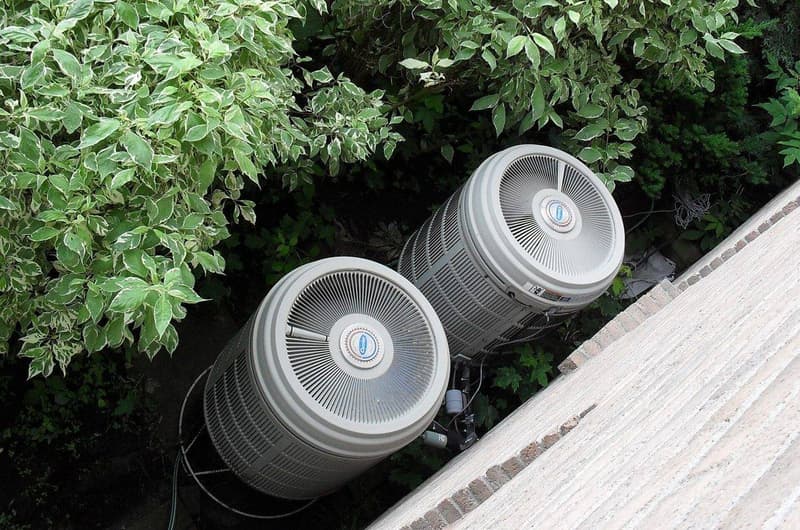
Warm Homes Loan Scheme caps by technology set the size of a solar and battery package
The caps are maximums supported for each technology, and they are not automatic awards. A lender assesses the work, the eligible costs, the application, and its own product rules before deciding how much to lend. A solar panel system and a battery can each draw up to £15,000, so a combined package can draw up to £30,000 in supported loan value across the two measures, subject to the lender decision and the actual installation cost. The cap table below uses the factsheet figures published on 27 October 2026, in pounds sterling throughout. Households considering a heat pump should read the heat pump vs gas furnace cost comparison beside the cap, because the loan changes the finance cost while the running cost depends on the heat pump efficiency and the tariff.
| Technology | Maximum loan supported |
|---|---|
| Solar panels | £15,000 |
| Electrical storage battery | £15,000 |
| Air-to-water heat pump | £20,000 |
| Air-to-air heat pump, when MCS certification is available | £10,000 |
| Ground source heat pump | £35,000 |
| Biomass boiler | £20,000 |
| Heat network connection | £7,500 |
| Micro-renewable system | £20,000 |
What £155 a month at 8 percent means for a £10,000 Warm Homes loan
The arithmetic below starts from the government example and shows what the same £10,000 costs at different rates, assuming fixed monthly payments, no extra fees, and the full seven-year term. At the example rate of 8 percent, £155 a month over 84 months totals about £13,020, with about £3,020 of interest. At the scheme payment implied by the government saving figure, about £131 a month totals about £11,025, with about £1,025 of interest. At 0 percent, the payment is £119.05 a month, the total is £10,000, and the saving against the 8 percent example is about £431 a year. The 0 percent row is an illustration from the example figures, and no lender is named as offering 0 percent on every product. The government bill-saving figure sits beside the finance math: up to £550 a year for a heat pump, battery, and solar panels together, plus up to £300 a year more with a time-of-use tariff, gives a combined maximum of £850 a year. A household that borrows £10,000 at 0 percent and saves £550 a year on bills would cover the loan principal in a little over 18 years on bill savings alone, which shows why the scheme suits households who value the upgrade itself and the protection from price shocks, rather than a fast payback. The guide to home batteries without solar panels covers the battery-only case, where time-of-use arbitrage and backup value carry more of the return.
| Rate on £10,000 over 7 years | Monthly payment | Total repaid | Interest paid |
|---|---|---|---|
| 8 percent, government example | About £155 | About £13,020 | About £3,020 |
| Scheme payment implied by £285 a year saving | About £131 | About £11,025 | About £1,025 |
| 0 percent, illustration | £119.05 | £10,000 | £0 |
Ten lenders, three application routes, and checks that still apply
The ten lenders named in the factsheet are HomeServe partnering with E.ON, Hometree Finance, Propensio, Secure Trust Bank, Selina Finance, South Manchester Credit Union, Sunsave, Tandem Bank, The Money Co-op, and This Bank. Homeowners apply directly to a lender, through an installer or retailer when arranging finance for the work, or through a mortgage provider. The loan product must state that it is funded by the government through the Warm Homes Loan Scheme. The government factsheet notes almost 150,000 solar panel installations in the first six months of this year and record heat pump sales in 2025, which sets the context for a scheme aimed at the upfront cost barrier rather than demand. Energy Secretary Miatta Fahnbulleh said the loans will help families upgrade homes with no upfront costs to make them warmer and cheaper to run. The scheme team also publishes household case studies with the factsheet, including Beth in Birmingham, whose 14 panels and battery generate 4,800 kilowatt hours a year with projected savings of £1,050 a year, and Stuart in Stirling, who installed 24 panels and an 11.52 kilowatt hour battery and estimates first-year savings after costs of £400 to £500. Those case studies describe households who installed systems, and buyers should ask the lender and installer for a quote and projected savings for their own home, because roof, orientation, and tariff decide the result. Array sizing guidance is in the 50-state panel-count guide, and United States readers should note that the Warm Homes Loan Scheme is United Kingdom only.