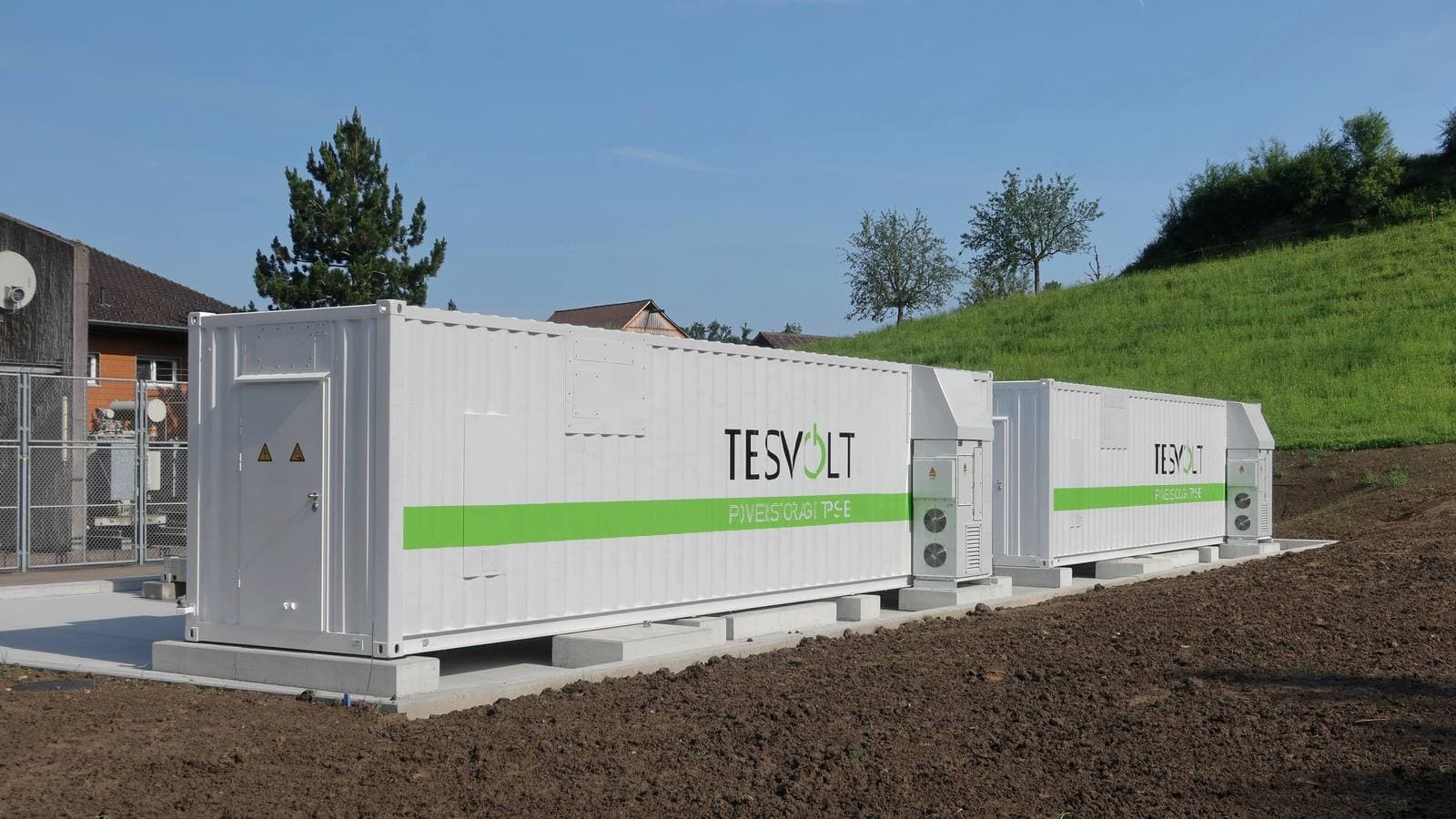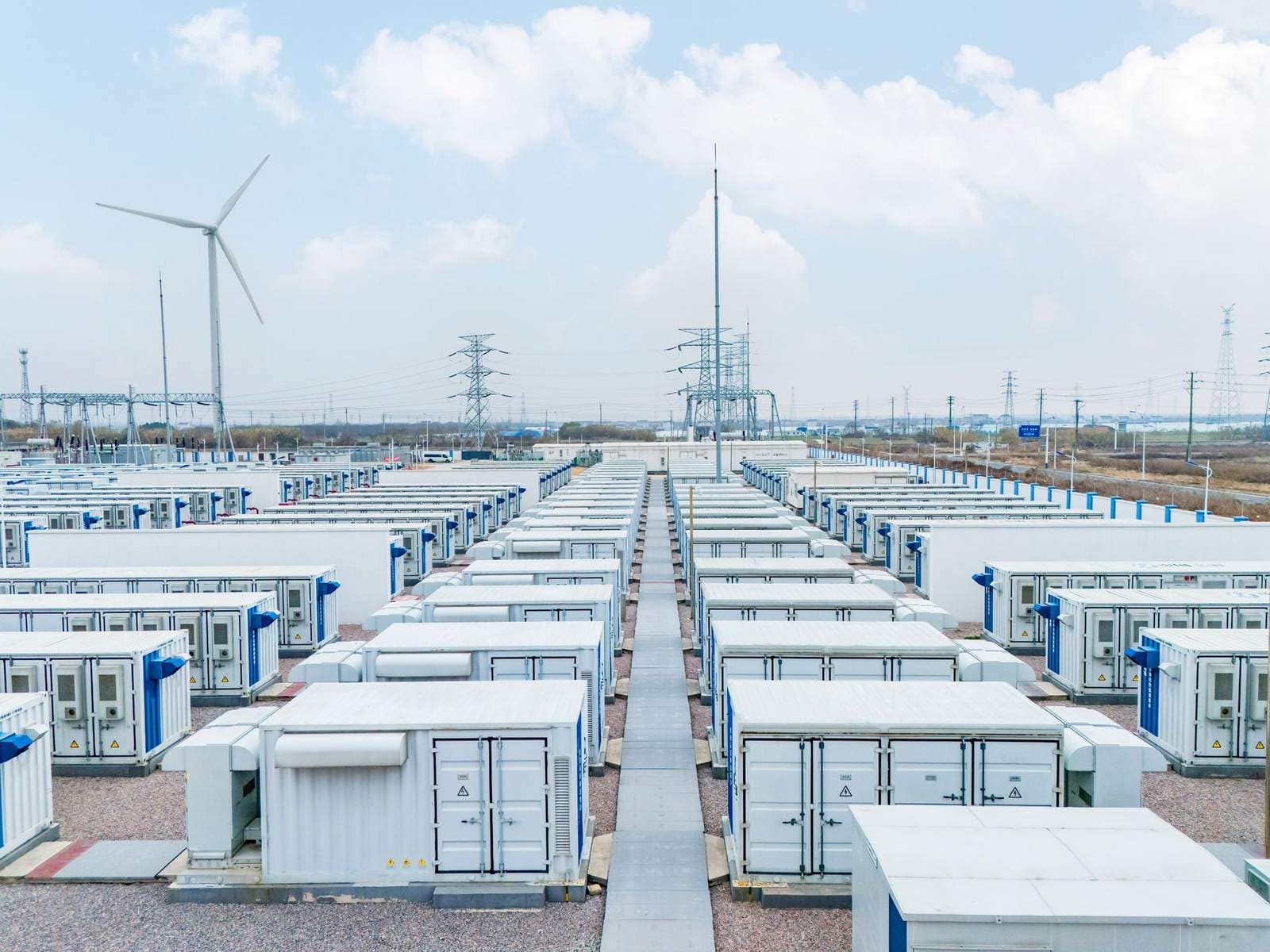
- Vattenfall and Fluence signed an agreement on October 14, 2026 to build a 254 MW battery with more than 1,000 MWh of storage capacity at Brunsbüttel, Germany, Vattenfall’s largest battery project to date and among the largest battery storage projects announced in Germany in 2026.
- The 4-hour system will run on Fluence’s Gridstack Pro 5000 platform, delivered turnkey with long-term service, and is scheduled to connect to the 50Hertz 380 kV transmission network by the end of 2028.
- The site is the Brunsbüttel nuclear power plant, currently being decommissioned: a shuttered reactor site reborn as a major grid battery.
Vattenfall’s battery storage push in Germany just took its biggest step yet. The Swedish utility and US storage company Fluence signed an agreement on October 14, 2026 to build a 254 MW battery with more than 1,000 MWh of storage capacity at Brunsbüttel, on Germany’s North Sea coast. The project is expected to rank among the largest battery storage projects announced in Germany in 2026, is Vattenfall’s largest battery project to date, and will nearly double the company’s existing storage capacity. Fluence will deliver the project on a turnkey basis and provide long-term service support.
The battery will be built on the grounds of the Brunsbüttel nuclear power plant, which is currently being decommissioned, a former reactor site converted into a flexibility asset for a wind- and solar-heavy grid. Investors took notice: Fluence shares (NASDAQ: FLNC) rose 1.9% in pre-market trading on the announcement, according to Seeking Alpha reporting.
A 4-hour system, delivered turnkey
At 254 MW of output and just over 1 GWh of capacity, the facility is designed as a 4-hour storage system: at full power it can discharge for roughly four hours before running empty, the duration class that has become the industry’s workhorse for shifting midday solar into the evening peak. The plant will run on Fluence’s Gridstack Pro 5000 platform, which combines battery systems with power conversion equipment and an energy management system: the hardware and software stack that decides when the battery charges and discharges, and that supports grid resilience and renewable integration.
Fluence is delivering the project turnkey, covering engineering, procurement, construction, and commissioning, plus long-term service support meant to keep the facility performing at a high level across its lifetime. Construction is expected to begin in 2027, with commissioning and the grid connection to the 50Hertz 380 kV transmission network planned for the end of 2028.
What the Brunsbüttel project means for Vattenfall’s battery storage plans in Germany
For Vattenfall, Brunsbüttel is a scale-up, not a one-off. The project nearly doubles the company’s existing battery storage capacity and sits at the center of its flexibility strategy, the portfolio of dispatchable assets meant to balance its growing wind and solar fleet. It is also the eighth project the two companies have developed together across three European countries, and Fluence says it has now delivered more than 20 battery energy storage projects in Germany, making the country one of its most important markets.
The bet is that storage can earn its keep two ways at once. Germany’s battery market is growing on the back of fast wind and solar expansion, rising electricity-price volatility, falling technology costs, and the ability of storage assets to combine revenue from energy trading with payments for grid services. A 4-hour battery that charges on cheap midday power and discharges into the evening peak, while also selling flexibility to the grid, is no longer a pilot project. It is mainstream infrastructure.
1 GWh Equals 15% of Germany’s 2025 Additions: The Brunsbüttel Scale
The symbolism is real, but the scale is the point. Germany added 6.6 GWh of battery storage in 2025, making it Europe’s leading storage market, according to SolarPower Europe figures cited in Vattenfall and Fluence’s announcement. The Brunsbüttel 1 GWh battery project alone equals roughly 15% of everything Germany added in all of last year.
| Item | Detail |
|---|---|
| Power / capacity | 254 MW / >1,000 MWh (4-hour) |
| Platform | Fluence Gridstack Pro 5000, turnkey + long-term service |
| Grid connection | 50Hertz 380 kV network, end-2028 |
| Germany 2025 storage additions | 6.6 GWh (Europe’s leading market) |
| Brunsbüttel share of that | ~15% |
| Fluence shares on announcement | +1.9% pre-market |
| Vattenfall–Fluence joint projects | 8 across 3 European countries |
One project, on one site, delivering in four hours of discharge a meaningful slice of a continent-leading market’s annual build. That is how fast the unit economics of storage have moved from pilot scale to grid scale.
There is also a quieter logic to the location. Decommissioned power plants leave behind something developers otherwise spend years and millions to secure: a high-voltage grid connection. Brunsbüttel will plug directly into the 50Hertz 380 kV network, the kind of interconnection that makes a gigawatt-hour battery feasible without a new transmission build. As more thermal plants retire across Europe, their grid connections become some of the most valuable real estate in the energy transition, and storage is the natural second life for them.
The nuclear-to-storage conversion also reframes a familiar debate. Brunsbüttel’s reactors once provided the grid’s firm baseload; the battery replacing them provides something the old plant could not: flexibility that responds in milliseconds to price signals and grid needs. Germany’s phase-out of nuclear power created a baseload gap that critics warned renewables could not fill; projects like this one are the concrete answer taking shape on the very same ground.
“Projects like this battery storage facility play an important role in strengthening the resilience of the energy system and enabling the continued integration of renewable power generation. Together with Fluence as our long-term partner, we are creating a flexible asset that can respond to changing electricity market needs for many years to come. The project will further strengthen our portfolio of flexibility solutions and support the transition away from fossil fuels,” said Claus Wattendrup, Head of Solar & Batteries at Vattenfall.
Permits, Civil Works, and a Late-2028 Grid Connection
Construction begins in 2027, so the near-term milestones are permitting progress and the start of civil works at Brunsbüttel, followed by the 50Hertz grid connection in late 2028. The broader pattern is worth tracking: gigawatt-hour projects are becoming the industry’s standard unit of ambition, from Apollo Power’s 1 GWh Tesla Megapack order in Taiwan to India’s planned 20 GWh battery factory in Maharashtra. For readers who want the technical background, our Battery Energy Storage Explained guide walks through how grid batteries work and why the 4-hour duration became the industry’s workhorse.