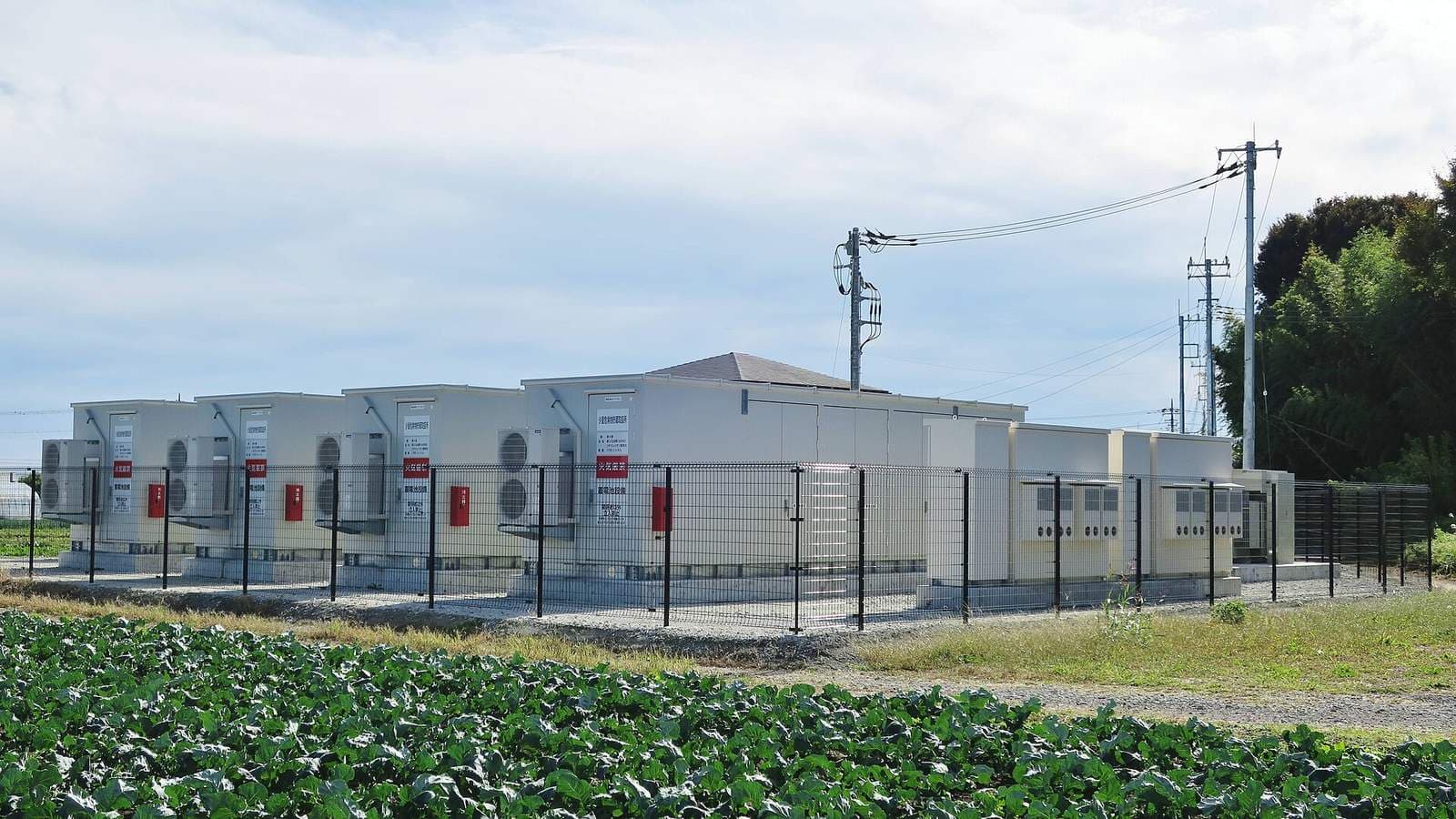
- Samsung SDI America signed a 1 GWh supply agreement with Houston developer Alpha Omega Power, tripling their combined contracted capacity to 1.5 GWh.
- The systems use the Samsung Battery Box 1.7, built in Kokomo, Indiana, with 17% higher energy density than its predecessor on the same 20-foot footprint.
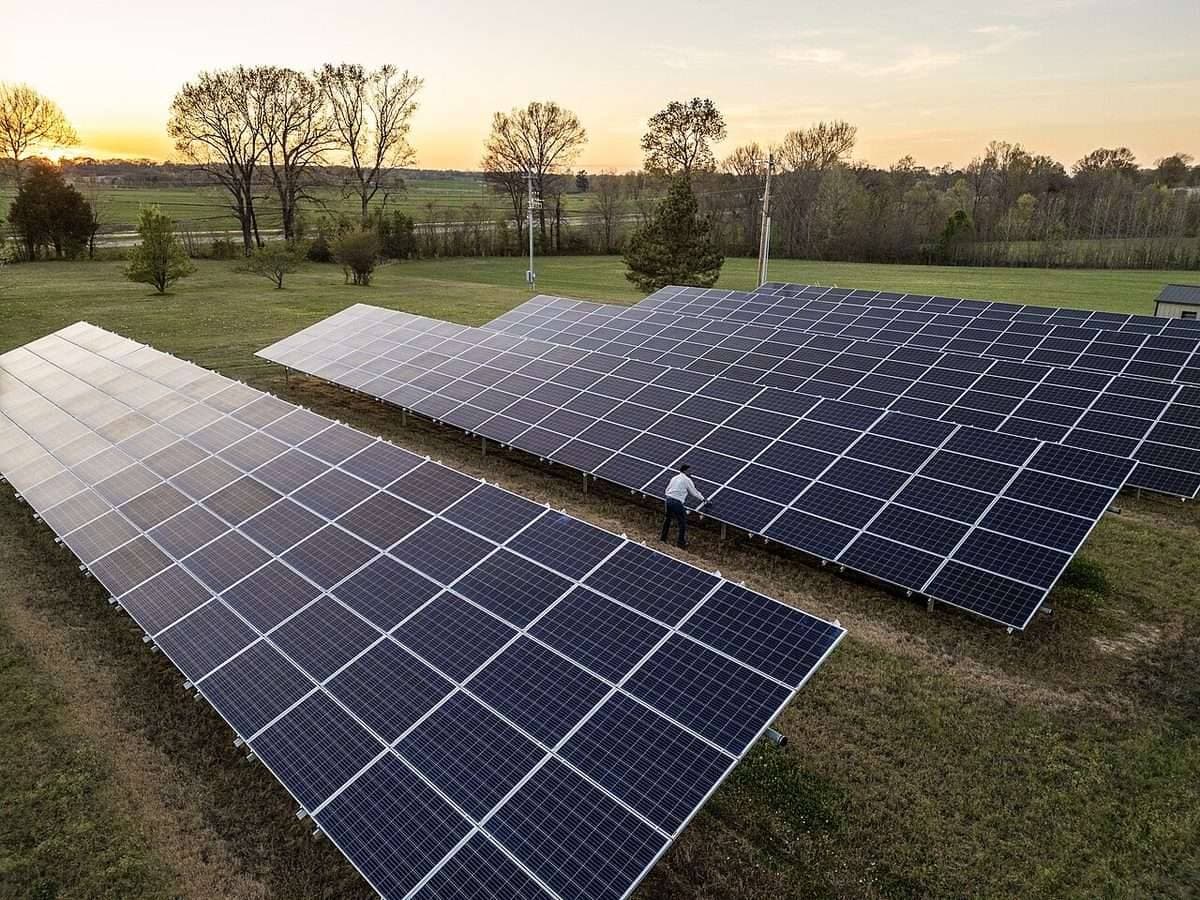
- Deliveries start before the end of 2026, and Alpha Omega plans to break ground on utility-scale solar-plus-storage projects in 2027 in the West and in Texas.
At a four-hour discharge duration, 1.5 GWh of storage is 375 MW of power capacity, enough to cover the evening peak for a mid-sized utility service territory rather than a single project. That scale is the point of the deal: Alpha Omega is buying a standardized, US-built battery platform it can repeat across solar projects, instead of procuring bespoke systems project by project.
What the Samsung Alpha Omega 1 GWh battery deal covers
The agreement, reported on October 27, 2026, is the second supply contract between the two companies. An initial contract signed in late 2025 covered 0.5 GWh, and the new 1 GWh agreement brings the total to 1.5 GWh. Alpha Omega plans to deploy the systems at utility-scale solar projects, with construction starting in 2027 in the Western Electricity Coordinating Council region and in the Electric Reliability Council of Texas market.
The product is Samsung’s fully integrated Battery Box 1.7, using nickel cobalt aluminum chemistry. Samsung says the system delivers 17% higher energy density than the Battery Box 1.5 while keeping the same 20-foot footprint, and is designed for 25 years of use. The system has been tested to NFPA 855 and UL 9540 energy storage standards, and includes an enhanced direct injection system that injects fire extinguishing agent into battery modules as needed.
Manufacturing location is part of the commercial logic. Full manufacturing takes place at the StarPlus Energy plant in Kokomo, Indiana, a joint venture between Samsung SDI and Stellantis. A US-built system shortens shipping and customs exposure for US projects and aligns with buyers that score domestic content in procurement, even though the deal announcement does not disclose pricing or a domestic-content percentage.
What 1.5 GWh of storage is worth in project terms
| Measure | Calculation | Result |
|---|---|---|
| Combined contracted capacity | 0.5 GWh initial plus 1.0 GWh new agreement | 1.5 GWh |
| Power at 4-hour duration | 1,500 MWh divided by 4 hours | 375 MW |
| Energy for one day of homes | 1,500 MWh divided by 30 kWh per home per day (assumption) | 50,000 homes for one day |
| Footprint saving from 17% density gain | Containers needed fall by about 14.5% for the same energy (1 divided by 1.17) | Roughly 1 in 7 fewer containers |
| Design life | Manufacturer specification | 25 years |
The footprint arithmetic matters for project economics in a way that a headline capacity figure hides. Land, grading, fencing, and interconnection work scale with the number of containers, so a 17% density gain cuts those balance-of-system costs even if the battery cells cost the same per kWh. For a developer repeating the same platform across several sites, that saving compounds with procurement and maintenance familiarity.
Alpha Omega chief executive Paul Choi said American-made energy storage from Samsung SDI will play an important role in the company’s growth, and that the second agreement strengthens its domestic supply chain. Fabrice Hudry, president of energy storage systems for Samsung SDI America, called Alpha Omega one of the fastest growing independent power producers in the country. Both quotes come from the October 27 report of the agreement.
Why the Texas and West grids are the first targets
ERCOT and the Western grid share the problem this product solves: large solar fleets that produce at midday and fade before the evening peak. A four-hour battery charged at midday and discharged from late afternoon into the evening captures the highest-value hours of the day, and it does so without a new transmission line. That is why storage developers rank duration and dispatchability above raw capacity in project selection.
The timing also fits the construction calendar. Deliveries of the Battery Box 1.7 start before the end of 2026, which lets Alpha Omega stage equipment ahead of 2027 groundbreakings rather than ordering into a construction window. Equipment lead time has been a binding constraint for storage projects, so a contracted supply line with a named factory is a scheduling asset as much as a price hedge.
What Samsung gains from a US factory base
The Kokomo plant matters beyond this one contract because it converts a Korean battery maker into a domestic supplier for US procurement scoring. Projects that value domestic content, short shipping distances, and factory service support can specify a US-built system without changing chemistry or form factor. For Samsung, the plant also de-risks future orders: once a developer standardizes on the Battery Box platform, the next project reuses engineering, spares, and operating procedures, which lowers the cost of winning repeat business.
The 25-year design life claim deserves the same scrutiny as any manufacturer specification. A battery system that lasts 25 years in a mild, well-managed duty cycle may degrade faster under daily deep cycling in a hot climate, and the warranty terms determine what the developer is actually promised, more than any design life headline. Alpha Omega’s projects will test that claim in ERCOT heat and Western desert conditions, where thermal management decides lifespan alongside cell chemistry. Samsung’s direct injection fire suppression addresses one failure mode, but calendar aging and cycle aging remain the long-run variables.
For the wider storage market, the deal is a data point on standardization. Early utility storage projects were bespoke, with custom containers, inverters, and controls for each site. A repeatable 20-foot platform with a named factory and a tested safety standard moves storage toward the commodity model that solar modules reached a decade ago. That shift, if it holds across suppliers, should compress balance-of-system costs faster than cell prices alone would suggest.
Related reading: our home battery economics guide explains how storage value changes without solar, and our time-of-use guide shows how peak price windows set battery dispatch value. For the chemistry behind home systems, see LFP vs NMC for home battery backup.